
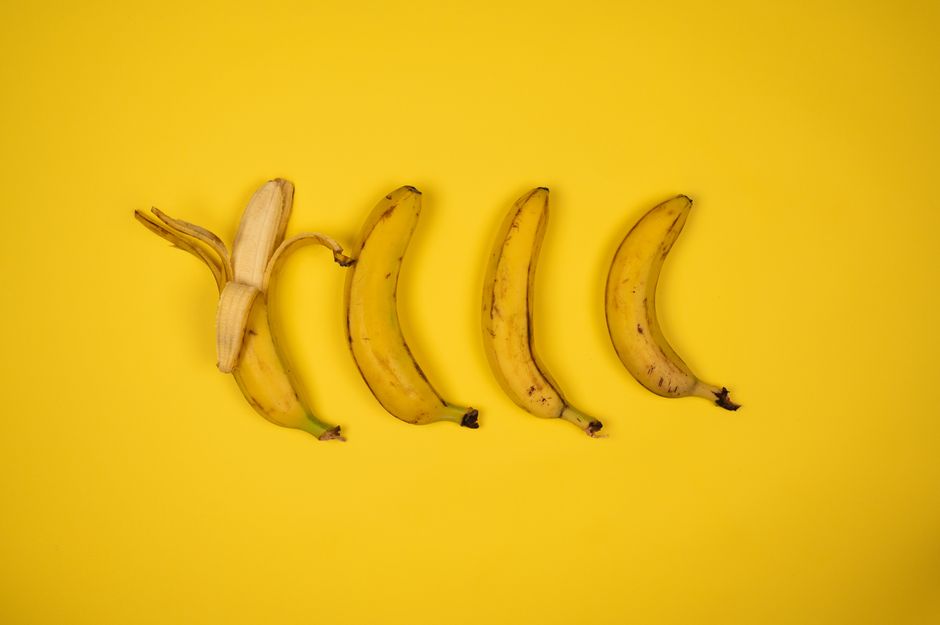
Bananas do not make you gain belly fat. Gaining fat around your midsection comes from eating more calories than your body uses over time, and a banana is a modest, nutrient-dense food that fits comfortably into most diets. The idea that this fruit specifically targets belly fat has no scientific support. What matters is your total calorie balance, your overall eating pattern, and your activity level — not whether a banana shows up in your fruit bowl.
That said, the question is worth taking seriously. Belly fat is linked to real health risks, and people are right to pay attention to what drives it. Here is what the evidence actually shows about bananas, calories, sugar, and abdominal fat.
Why Do Bananas Get Blamed for Belly Fat?
Bananas get blamed for two reasons: their sugar content and their carbohydrate load. Both concerns are understandable, and both are widely misunderstood.
A medium banana contains roughly 105 calories and about 14 grams of naturally occurring sugar. That sugar comes packaged with fiber, potassium, vitamin B6, and vitamin C. It is not the same as added sugar in a soda or a candy bar, because the fiber slows digestion and the fruit delivers nutrients alongside the sugar.
The second reason is the broader low-carb and keto movement, which teaches that carbohydrates drive insulin, and insulin drives fat storage. There is a kernel of physiology there — insulin does influence fat storage — but the leap to “bananas cause belly fat” does not hold up. Body fat accumulation is driven primarily by sustained calorie surplus, not by any single food’s effect on insulin. Research consistently shows that weight change tracks calorie balance far more closely than it tracks carbohydrate intake in isolation.
One clarification worth making: fruit sugar and added sugar are treated very differently in nutrition research. Large observational studies have generally found that higher fruit intake is associated with lower body weight, not higher. That does not prove a banana burns fat. It simply means the fear is not supported by the data.
Do Bananas Make You Gain Belly Fat?
No. Eating bananas does not cause belly fat gain on its own. Abdominal fat accumulates when you consistently take in more energy than you burn, and a banana is a low-calorie food that is difficult to overeat in a way that meaningfully shifts that balance.
Belly fat — especially visceral fat, the kind stored deep around the organs — is influenced by several factors:
- Long-term calorie surplus
- Physical inactivity
- Poor sleep and chronic stress
- Genetics and age-related hormonal shifts
- Excess alcohol intake
- Certain medical conditions and medications
Notice what is not on that list: bananas. If you are gaining fat around your waist, the causes are almost always broader than any single fruit. Blaming a banana is a distraction from the factors that actually move the needle.
There is one honest caveat. Calories still count. If you add several bananas a day on top of an already adequate diet, those calories contribute to a surplus like any other food. The fruit is not uniquely fattening, but it is not calorie-free either.
How Many Calories and How Much Sugar Are in a Banana?
A medium banana has about 105 calories. That is less than a slice of bread, less than most granola bars, and far less than typical snack foods people reach for without a second thought.
Here is how a medium banana compares with a few common snacks:
| Food | Approximate Calories | Added Sugar |
|---|---|---|
| Medium banana | 105 | 0 g |
| Slice of white bread | 70–80 | Often 1–2 g |
| Typical granola bar | 150–200 | Frequently 7–12 g |
| Can of soda (12 oz) | 140–150 | About 39 g |
The sugar in a banana is naturally occurring, not added. Official dietary guidance distinguishes between the two, and added sugar is the one health authorities recommend limiting. The banana’s fiber content — about 3 grams in a medium fruit — also affects how quickly the sugar is absorbed.
For context, US dietary guidelines recommend that added sugars make up less than 10 percent of daily calories. A banana contributes none of that.





Does Banana Sugar Turn Into Belly Fat?
No, not in any special way. This is where a little physiology helps.
When you eat any carbohydrate, your body breaks it down into glucose, which enters the bloodstream. Insulin helps move that glucose into cells for energy. If you eat more energy than you need, the excess can be stored as fat — but this happens with excess calories from any source, including protein and fat. Carbohydrate is not uniquely converted to body fat.
In fact, the body preferentially burns carbohydrate for energy and stores dietary fat as fat more readily than it converts carbohydrate to fat. The pathway that turns carbohydrate into fat exists, but it is not the main route by which people gain weight. Overeating in general is.
Whole fruit also comes with fiber and water, which affect fullness and how quickly the sugar is absorbed. A banana eaten whole behaves differently in the body than the same amount of sugar dissolved in a drink. That is one reason nutrition researchers treat whole fruit and added sugar as separate categories.
Are Bananas Good or Bad for Weight Loss?
Bananas can fit well into a weight-loss plan. They are filling relative to their calories, portable, and satisfy a sweet craving without added sugar. Many people find that including fruit makes a reduced-calorie diet easier to stick with, and adherence is what determines whether a diet works.
Whether a banana helps or hinders your weight loss depends on the whole picture:
- What else you are eating across the day
- Your total calorie intake versus your needs
- How physically active you are
- Whether fruit is replacing a higher-calorie snack or being added on top of one
A banana eaten instead of a pastry is a clear improvement. A banana eaten in addition to everything else you already eat adds calories. Same fruit, different outcome — which is exactly why the food itself is not the problem.
No clinical evidence currently confirms that avoiding bananas produces faster belly fat loss than simply managing overall calorie intake. Some popular diet plans restrict fruit, but that reflects a carbohydrate-limiting strategy rather than evidence that bananas are uniquely fattening.
What Actually Drives Belly Fat?
Belly fat is driven by energy balance and lifestyle patterns, not by individual fruits. Visceral fat in particular responds to sustained habits.
What the evidence most consistently supports:
- Calorie balance. Fat loss requires a sustained calorie deficit, however you achieve it.
- Regular physical activity. Both aerobic exercise and resistance training support fat loss and metabolic health. Exercise alone rarely produces large weight loss without dietary change, but it matters for where fat is stored and for overall health.
- Sleep and stress. Short sleep and chronic stress are associated with higher abdominal fat in observational research.
- Limiting alcohol. Heavy drinking is linked to abdominal fat accumulation.
- Overall diet quality. Patterns rich in vegetables, fruit, whole grains, legumes, and lean protein are consistently associated with healthier body composition.
If belly fat is your concern, the banana is not the lever to pull. Total calories, activity, sleep, and alcohol are the levers that research actually supports.
How Should You Eat Bananas If You Are Watching Your Waistline?
Eat them as part of a balanced diet, and pay attention to what they replace. There is no clinical guideline that requires limiting bananas for weight reasons in healthy adults.
A few practical approaches that fit the evidence:
- Use a banana as a snack in place of processed or high-sugar foods.
- Pair it with protein or fat — nut butter, yogurt, or eggs — to improve fullness.
- Keep portions sensible if you are in a calorie deficit, since calories still count.
- Choose whole fruit over juice, which removes the fiber and changes how the sugar is absorbed.
People with diabetes may need to pay attention to carbohydrate timing and portions, and should follow guidance from their care team. That is a blood sugar management issue, not a belly fat issue, and it varies from person to person.
For most adults, one or two bananas a day fits comfortably within a healthy eating pattern. The fruit is not the reason waistlines expand. The overall diet and lifestyle are.
Frequently Asked Questions
Do bananas make you gain belly fat?
No. Bananas do not cause belly fat gain on their own, because abdominal fat comes from a sustained calorie surplus and lifestyle factors, not from any single food.
How many calories are in a banana?
A medium banana has about 105 calories. That is lower than most snack bars and contains no added sugar.
Is the sugar in bananas bad for you?
The sugar in bananas is naturally occurring and comes with fiber, potassium, and vitamins, which is different from added sugar in processed foods. Official dietary guidance recommends limiting added sugar, not the sugar found in whole fruit.
Can I eat bananas while trying to lose weight?
Yes. Bananas can fit into a weight-loss plan as long as your total calorie intake stays below what you burn, and they are a filling, nutrient-dense choice compared with most processed snacks.
