
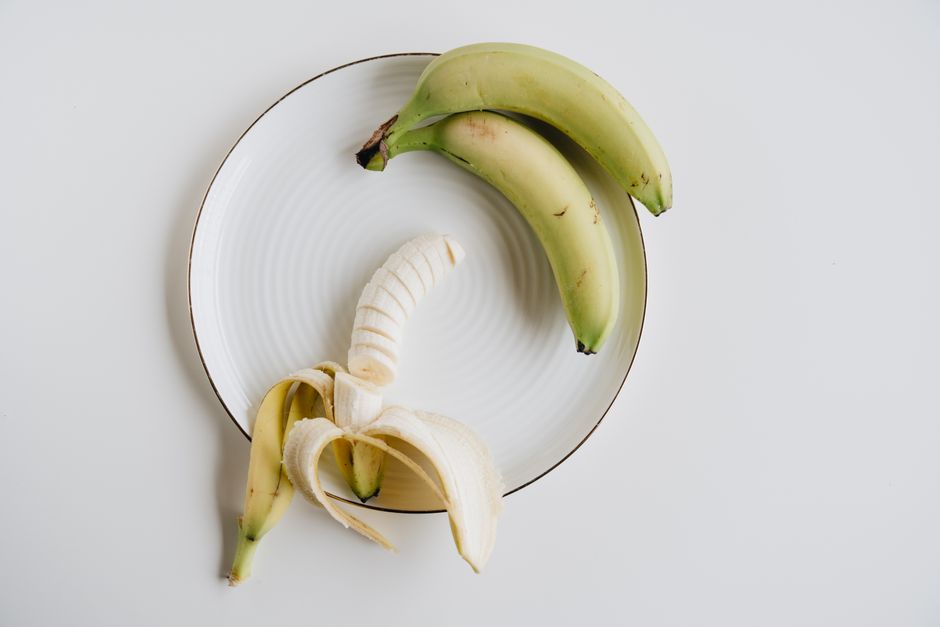
Bananas do not reliably stop a cramp once it has started, and the evidence that eating them prevents cramps is weak. The idea has a real biological basis — bananas contain potassium, and potassium is involved in how muscles contract and relax — but a low potassium level is only one of many possible causes of cramping, and most people who cramp do not have one. Here is what the science actually supports, and where the banana story falls short.
Why Are Bananas Linked to Muscle Cramps?
The link comes down to potassium. Bananas are a well-known source of it, and potassium is an electrolyte that helps carry electrical signals between nerves and muscles. When potassium levels in the blood drop too low — a condition called hypokalemia — muscle weakness and cramping can occur.
That connection is real. But it describes a specific medical situation, not the everyday cramps most people get. A normal-sized banana contains roughly 400 to 450 milligrams of potassium, based on USDA nutritional data. The recommended daily intake for adults is around 3,400 milligrams for men and 2,600 milligrams for women, though these figures vary by source and individual health status.
So a single banana supplies a meaningful but modest slice of daily potassium. It is not a rapid correction. And for most people with normal kidney function and a normal diet, blood potassium is already in the normal range. In that situation, adding more potassium does not address the actual cause of the cramp.
This is the core misunderstanding. The banana myth treats a rare cause of cramping as if it were the common one.
What Actually Causes Muscle Cramps?
Most muscle cramps are not caused by low potassium. They are described in the medical literature as common or “ordinary” cramps, and their exact mechanism is still not fully understood.
What researchers do know is that cramps involve a sudden, involuntary firing of nerve signals that make a muscle contract and stay contracted. Several factors are known to raise the risk:
- Muscle fatigue — cramps are more common during or after unfamiliar or intense exercise
- Dehydration — fluid loss can disrupt the balance of electrolytes and muscle function
- Electrolyte loss through sweat — sodium loss in particular is often more significant than potassium loss during exercise
- Pregnancy — leg cramps are common in pregnancy, though the cause is not well established
- Certain medications — including some diuretics and statins
- Medical conditions — including nerve disorders, thyroid problems, and kidney disease
- Age — cramps become more common with age, for reasons that are not fully clear
The exercise-related picture matters here. When people sweat heavily, they lose a lot of sodium and some potassium, but the sodium loss is usually larger. That is why sports drinks are built around sodium, not potassium. A banana replaces some potassium but adds very little sodium. It is not a complete electrolyte replacement.
There is also an important distinction between two types of cramps. Exercise-associated muscle cramps and night-time leg cramps may not share the same cause. Some research suggests that exercise cramps are linked more to nerve fatigue than to electrolyte loss at all. If that is correct, then no food — banana included — would be expected to prevent them.
Do Bananas Help With Cramps: What Does the Evidence Show?
No large, well-controlled human trial has shown that eating bananas prevents or treats muscle cramps in the general population. The evidence for bananas specifically is thin.
Some small studies have looked at whether potassium-rich foods reduce cramp frequency, and results have been mixed. Research on potassium supplements for night cramps has produced inconsistent findings. Some trials suggest a possible benefit; others show none. The evidence is not strong enough to say potassium reliably prevents cramps.
This is where biological reasoning and demonstrated clinical benefit part ways. It is logical to think that because potassium affects muscle function, more potassium would help cramps. But logical mechanisms do not always translate into real-world benefit in trials. That gap is exactly what the research on cramping has shown.
What about bananas during exercise? Some athletes eat them as a convenient carbohydrate source during long events. That is a reasonable use. Bananas provide quick energy. But there is no strong evidence that they prevent cramps better than any other food or than proper hydration and conditioning.
A careful note on the marketing side: many products and articles claim bananas are a proven cramp remedy. No study has confirmed that claim. Treat confident claims about bananas and cramps with skepticism.





How Much Potassium Is in a Banana?
A medium banana contains roughly 400 to 450 milligrams of potassium, according to USDA nutritional data. To put that in context, here is how a banana compares with some other potassium sources:
| Food (approximate portion) | Potassium (approximate) |
|---|---|
| Medium banana | 400–450 mg |
| Medium baked potato with skin | About 900 mg |
| 1 cup cooked spinach | About 800 mg |
| 1 cup orange juice | About 500 mg |
| 1 cup cooked white beans | About 1,000 mg |
Bananas are a good potassium source, but they are not the richest one. Potatoes, beans, leafy greens, and some juices provide more per serving. If someone genuinely needed to raise potassium intake, a banana alone would not be the most efficient route.
One caution: people with kidney disease may need to limit potassium, because impaired kidneys cannot clear it properly. Anyone with kidney disease should follow their doctor’s guidance on potassium intake rather than adding potassium-rich foods on their own.
What Actually Helps a Muscle Cramp?
For a cramp that has already started, the most reliable approach is physical, not dietary. Gently stretching the affected muscle and holding the stretch is widely used and often helps ease an active cramp. Massaging the muscle can also help.
For prevention, the evidence points more toward addressing the underlying trigger than toward eating a specific food:
- Stay hydrated, especially during exercise and in heat
- Replace electrolytes lost through sweat, with attention to sodium
- Warm up before exercise and avoid sudden increases in intensity
- Stretch regularly if you are prone to cramps
- Review medications with a doctor if cramps started or worsened after a change
For frequent or severe cramps, particularly night-time leg cramps, it is worth talking to a clinician. Persistent cramping can be a sign of an underlying condition, including nerve problems, circulation issues, or medication side effects. Some clinicians recommend treatments such as stretching routines or, in certain cases, medication, but these decisions are individual and should come from a doctor who knows your history.
If cramps come with swelling, redness, warmth, or pain that does not resolve, seek medical care. Those signs can point to something more serious than an ordinary cramp.
Should You Eat Bananas for Cramps?
Eating a banana is a harmless, nutritious choice for most people. It provides potassium, fiber, and carbohydrate. But it should not be relied on as a cramp treatment or prevention strategy.
The realistic position is this: bananas are a healthy food with a modest amount of potassium. They are not a proven remedy for cramps. If you enjoy them, keep eating them. If you are cramping often, look at hydration, electrolyte balance, training habits, and medications first — and see a clinician if cramps are frequent or disruptive.
The banana myth persists because it is simple and sounds scientific. The reality is more nuanced. Cramps have multiple causes, and most of them are not fixed by a piece of fruit.
Frequently Asked Questions
Do bananas help with cramps?
There is no strong evidence that bananas prevent or treat muscle cramps in most people. They provide potassium, but low potassium is only one uncommon cause of cramping.
How much potassium is in a banana?
A medium banana contains roughly 400 to 450 milligrams of potassium, based on USDA data. That is a modest portion of the roughly 2,600 to 3,400 milligrams adults are generally advised to get daily.
What causes leg cramps at night?
The exact cause of night-time leg cramps is not fully understood, and they become more common with age. Possible contributors include nerve issues, medications, and other health conditions, so frequent cramps are worth discussing with a doctor.
What should I do for a cramp right now?
Gently stretch and massage the affected muscle, which often eases an active cramp. If cramps are frequent, severe, or come with swelling or redness, seek medical care.
