
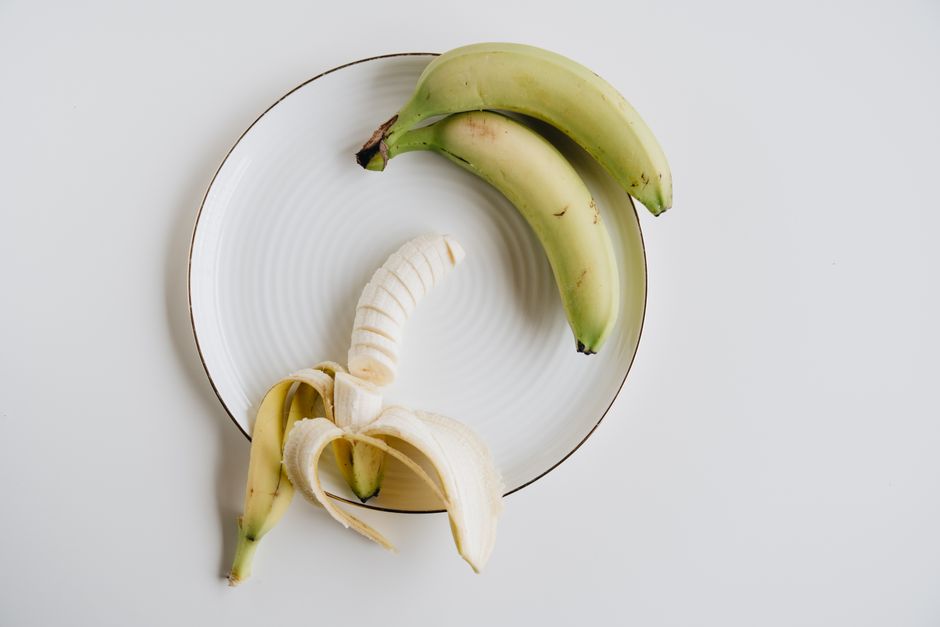
Bananas are often listed as a “safe” food for acid reflux. The idea is simple: they are low in acid, soft, and easy to swallow. That reasoning is reasonable, but it is not the same as proof. There is no strong body of clinical research showing that bananas reliably reduce reflux symptoms. Some people find they help. Others find they make things worse. Both responses are possible, and the difference often comes down to the individual.
Do Bananas Help Reflux?
For some people, yes. For others, no. The honest answer is that bananas are not a proven treatment for reflux, and they are not a reliable trigger either.
What we know comes mostly from how reflux works and how different foods affect it, not from large trials testing bananas specifically. That is an important distinction. A food can be gentle on the stomach and still not change the underlying mechanics of reflux.
Reflux happens when stomach contents move back up into the esophagus. The lower esophageal sphincter — a ring of muscle at the bottom of the esophagus — is supposed to stay closed except when you swallow. When it relaxes at the wrong time, or when pressure in the stomach is high, acid and food can slip upward. What you eat can influence both of those things, but it does not fix a weak sphincter.
Bananas are low in acid compared with citrus, tomatoes, and coffee. That is a real difference. Whether that difference translates into fewer symptoms is where the evidence gets thin.
What Makes Bananas a Common Reflux Recommendation?
Bananas show up on reflux-friendly food lists for a few practical reasons. They are soft, mild in flavor, and low in fat. High-fat meals tend to slow stomach emptying and can relax the lower esophageal sphincter, so foods that are not high in fat are generally considered less likely to provoke symptoms.
Bananas also have a low acid content. Their pH is roughly in the mildly acidic to near-neutral range, which is far less acidic than stomach contents. The thinking goes that a less acidic food is less likely to irritate an already inflamed esophagus.
There is also the texture. A ripe banana is easy to swallow and does not require much chewing, which matters for people who have trouble swallowing or who feel discomfort when eating.
None of this is the same as clinical proof. These are reasons a food might be well tolerated, not evidence that it treats reflux. The distinction matters because “well tolerated by many people” and “reduces reflux” are two different claims.
Can Bananas Make Reflux Worse?
Yes, for some people. This is the part that gets left out of most lists.
Bananas contain natural sugars and fiber. In some people, they can contribute to bloating or gas. Bloating increases pressure inside the abdomen, and that pressure can push stomach contents upward. So a food that seems gentle could, in certain people, indirectly worsen reflux through the pressure it creates.
Ripe bananas contain more sugar than less ripe ones. Some people report that very ripe bananas feel heavier or more likely to cause symptoms. This is anecdotal, not established by research, but it is a common enough observation that it is worth knowing.
There is also the issue of individual sensitivity. Reflux triggers vary widely from person to person. A food that is fine for one person can be a clear trigger for another. Bananas are no exception.





How Do You Know If Bananas Help or Hurt Your Reflux?
You test it on yourself. There is no lab test or scan that will tell you whether bananas affect your reflux.
A simple approach is to keep track of what you eat and when symptoms occur. Eat bananas in a consistent way for a period of time and note whether symptoms change. Then remove them and see what happens. This is not a formal experiment, but it can reveal a pattern.
A few things make this more useful:
- Note the ripeness of the banana. Ripe and less ripe bananas are not identical in sugar content.
- Note what else you ate at the same meal. Reflux symptoms often reflect the whole meal, not one food.
- Note the timing. Eating close to bedtime is a well-established factor in nighttime reflux, separate from any specific food.
- Note the portion. A large amount of any food can cause fullness and pressure.
If bananas seem to help, there is little downside to keeping them in your diet. If they seem to make things worse, there is no reason to force them.
What Actually Helps Reflux?
Diet is only one part of reflux management. The mechanics matter more than any single food.
Established factors that influence reflux include:
- Meal size. Large meals increase stomach pressure. Smaller, more frequent meals are commonly recommended.
- Timing. Lying down within a few hours of eating makes reflux more likely. Waiting before lying down is a standard recommendation.
- Body weight. Higher body weight increases abdominal pressure. Weight reduction is one of the more consistently supported measures for people who are overweight.
- Specific trigger foods. Fat, chocolate, caffeine, alcohol, citrus, and tomato are common triggers. These vary by person.
- Smoking. Smoking relaxes the lower esophageal sphincter and increases reflux.
For persistent or severe symptoms, medications are often used. These include antacids, H2 blockers, and proton pump inhibitors. Which one is appropriate depends on frequency, severity, and other health factors, and that is a conversation to have with a clinician.
One point that is often missed: reflux that occurs frequently or does not respond to treatment should be evaluated. Chronic acid exposure can damage the esophagus over time. This is not something to manage indefinitely with diet alone without knowing what is going on.
Are Bananas Better Than Other Fruits for Reflux?
Not clearly. They are simply one of several fruits that tend to be better tolerated than highly acidic ones.
Fruits like citrus, pineapple, and tomatoes are more acidic and are more commonly reported as triggers. Melon, pear, and banana are often listed as gentler options. But these lists are based largely on clinical experience and patient reports, not on controlled trials comparing fruits head to head.
If you are looking for a fruit that is less likely to cause symptoms, banana is a reasonable choice to try. It is not a superior choice based on strong evidence.
Do Ripe Bananas Affect Reflux Differently?
Possibly, but this is not well studied. Riper bananas have more sugar and a softer texture. Less ripe bananas have more resistant starch, which can cause gas in some people.
Both directions are plausible. More sugar could theoretically contribute to symptoms in some people. More resistant starch could contribute to bloating in others. Neither has been clearly demonstrated in reflux research.
If you notice a difference between ripe and less ripe bananas, that observation is worth trusting for your own situation. It does not mean the same will hold for anyone else.
The Bottom Line on Bananas and Reflux
Bananas are a reasonable food to include in a reflux-friendly diet. They are low in acid, low in fat, and easy to eat. For many people, they cause no problems.
But they are not a treatment. No strong evidence shows that bananas reduce reflux or heal the esophagus. And for some people, they may contribute to symptoms through bloating or individual sensitivity.
If you are managing reflux, the bigger levers are meal size, timing, body weight, and avoiding your personal triggers. Bananas can be part of that picture, but they are not the solution on their own.
Frequently Asked Questions
Do bananas help acid reflux?
For some people, bananas seem to be well tolerated and do not worsen symptoms. There is no strong clinical evidence that bananas reduce reflux or treat it.
Can bananas make reflux worse?
Yes, in some people. Bananas can contribute to bloating or gas, which increases abdominal pressure and may push stomach contents upward.
Are bananas good for GERD?
Bananas are often included in diets recommended for GERD because they are low in acid and low in fat. That does not mean they treat GERD, and individual responses vary.
What foods should I avoid with acid reflux?
Common triggers include high-fat foods, chocolate, caffeine, alcohol, citrus, and tomato. Triggers vary from person to person, so tracking your own symptoms is more useful than following a general list.
