
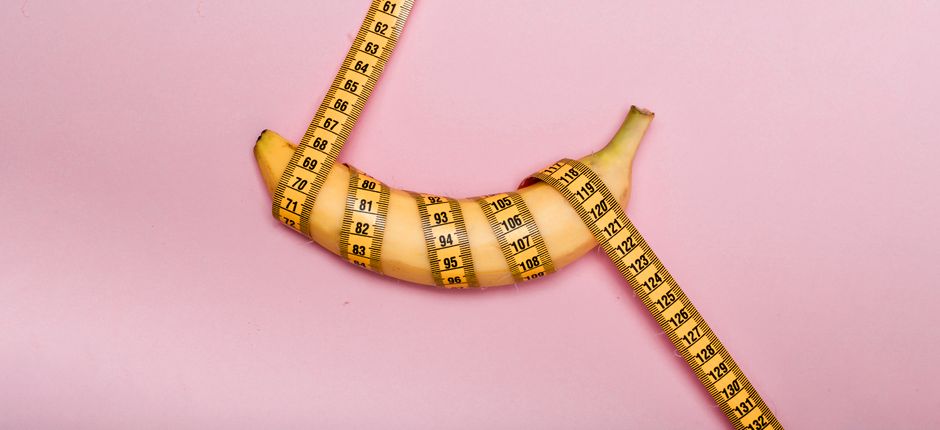
No, bananas do not cause weight gain on their own. Weight gain happens when you consistently eat more calories than your body burns, and a single food cannot override that balance by itself. Bananas are a nutritious, moderately calorie-dense fruit that can fit into most eating patterns, including ones aimed at weight loss.
The confusion comes from a few places. Bananas contain natural sugars. They are higher in carbohydrates than many other fruits. Some popular diet plans have told people to avoid them. None of that means bananas make you gain fat. What matters is your total diet, your activity level, and how many calories you take in over time.
Do Bananas Cause Weight Gain?
Bananas do not cause weight gain when eaten as part of a balanced diet. A medium banana has about 105 calories, according to USDA data. That is roughly the same as a small apple or a cup of grapes.
The idea that bananas are fattening usually comes from their sugar and carbohydrate content. A medium banana has around 27 grams of carbohydrate, including about 14 grams of naturally occurring sugars. Natural sugars in whole fruit are not the same as added sugars. The fiber in a banana slows digestion and affects how quickly those sugars enter the bloodstream.
Weight gain is driven by a calorie surplus over time. No single food causes it. If bananas were the problem, you would expect people in countries where bananas are a staple food to have higher rates of obesity. That is not what the data shows.
Where bananas can contribute to weight gain is in excess. Eating four or five large bananas a day on top of your normal meals adds calories. So would eating four or five apples. The fruit is not the issue. The amount and the overall pattern are.
How Many Calories Are in a Banana?
Banana calories vary by size. Here is what USDA data shows for raw bananas:
| Size | Calories | Carbohydrates | Fiber | Sugar |
|---|---|---|---|---|
| Small (about 6 inches) | 90 | 23 g | 2.6 g | 12 g |
| Medium (about 7 inches) | 105 | 27 g | 3.1 g | 14 g |
| Large (about 8 inches) | 121 | 31 g | 3.7 g | 17 g |
For context, a medium banana is similar in calories to a medium apple (about 95 calories) and slightly more than a cup of strawberries (about 50 calories). It is less calorie-dense than a cup of mango or a large handful of dried fruit.
Bananas also provide potassium, vitamin B6, vitamin C, and magnesium. A medium banana has about 422 mg of potassium. That is a meaningful amount for a food that costs very little and needs no preparation.
Are Bananas Good or Bad for Weight Loss?
Bananas can support weight loss when they replace higher-calorie foods. Swapping a pastry for a banana saves calories and adds fiber, potassium, and vitamins. That is a straightforward win.
The fruit also has a role in satiety. The fiber and water content help you feel full. A banana with a spoonful of peanut butter or a handful of nuts makes a snack that holds you longer than a bag of chips.
The concern with bananas and weight loss is portion creep. A large banana is 121 calories. Two large bananas is 242 calories. If you are not tracking, it is easy to eat more than you realize. This is not unique to bananas, but it is worth knowing.
Some low-carb and ketogenic diets restrict bananas because of their carbohydrate content. That is a diet-specific rule, not a statement about bananas causing weight gain. For people following those diets, bananas may not fit. For everyone else, the evidence does not support avoiding them for weight reasons.





Do Bananas Raise Blood Sugar and Affect Weight?
Bananas do raise blood sugar, but how much depends on ripeness and what you eat with them. A green banana has more resistant starch and a lower glycemic impact. As a banana ripens, its starch converts to sugar, and its glycemic index rises.
The glycemic index of a banana ranges from about 42 for a green banana to around 62 for a very ripe one, based on published values. For reference, 55 or below is considered low, and 70 or above is high. A ripe banana sits in the medium range.
Blood sugar spikes from a banana are not the same as weight gain. A rise in blood sugar after eating is normal. The body releases insulin to move glucose into cells. Weight gain happens when excess energy is stored as fat over time, not from a single post-meal glucose rise.
People with diabetes or prediabetes may need to watch portion sizes and pair bananas with protein or fat to blunt the glucose response. That is a blood sugar management issue, not a weight gain issue. The two are related but not identical.
What About Banana Chips and Other Banana Products?
Banana chips are not the same as fresh bananas. They are typically fried or baked with added sugar and oil. A small serving can have more calories than a whole fresh banana, and the fiber content is often lower.
Banana bread, banana muffins, and banana smoothies with added sweeteners are also different foods. A slice of banana bread can have 200 to 300 calories or more, depending on the recipe. The banana is a minor ingredient compared to the flour, sugar, butter, and eggs.
If your goal is weight management, fresh bananas are the better choice. Dried banana products concentrate calories and remove water, which makes them easier to overeat.
How Do Bananas Fit Into a Weight Management Plan?
Bananas fit into most weight management plans without special rules. The key is context.
- Eat them as part of a meal or snack that includes protein or healthy fat. This slows digestion and helps with fullness.
- Watch portion size if you eat several per day. Two medium bananas is about 210 calories.
- Choose fresh bananas over chips, breads, or sweetened smoothies.
- Use them to replace higher-calorie snacks, not to add on top of them.
- If you have diabetes, talk to your doctor or dietitian about how bananas fit your plan.
There is no evidence that bananas specifically target belly fat or boost metabolism. Claims that bananas burn fat or speed weight loss are not supported by clinical research. They are a nutritious food, not a weight loss tool.
The broader point is that no single food makes or breaks your weight. Diets fail when they become too restrictive or too complicated to sustain. Bananas are simple, portable, and nutrient-dense. For most people, that makes them a useful part of a healthy eating pattern rather than a food to fear.
Frequently Asked Questions
Do bananas cause weight gain?
No, bananas do not cause weight gain by themselves. Weight gain comes from eating more calories than you burn over time, and a medium banana has only about 105 calories.
Can I eat bananas while trying to lose weight?
Yes, bananas can fit into a weight loss plan when they replace higher-calorie foods and are eaten in reasonable amounts. Pairing them with protein or healthy fat helps with fullness.
Are bananas high in sugar?
A medium banana has about 14 grams of naturally occurring sugar, which is moderate compared to many fruits. The fiber in a banana slows how quickly that sugar is absorbed.
Is it bad to eat a banana every day?
For most healthy people, eating one banana a day is fine and provides potassium, vitamin B6, and fiber. People with kidney disease or diabetes may need to adjust based on medical advice.
