
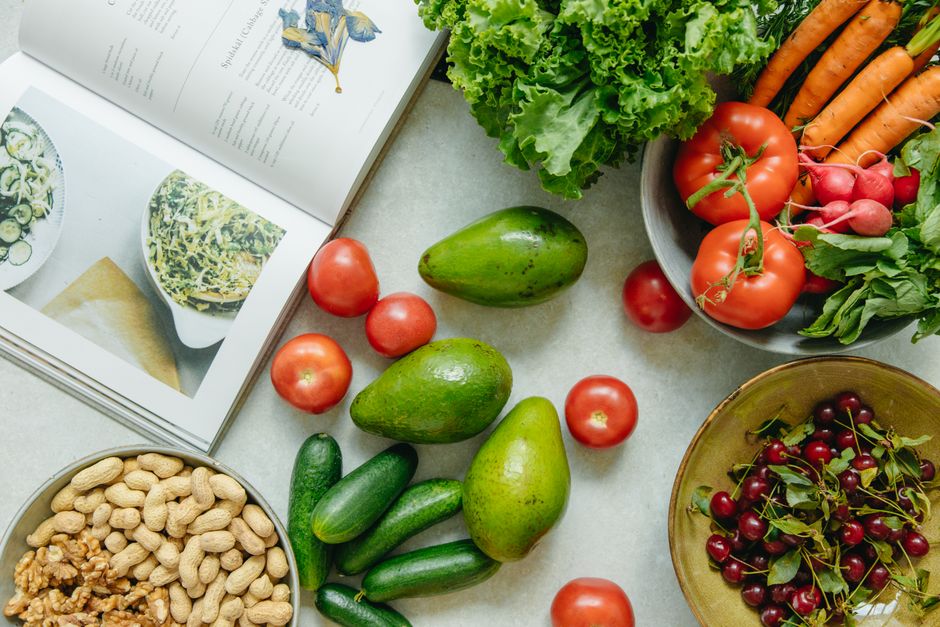
Yes, avocados contain protein. A whole medium avocado has roughly 3 to 4 grams of protein, depending on its size. That is not a high-protein food by any standard, but it is a real and measurable amount, and it comes packaged with fiber, potassium, and mostly unsaturated fat.
If you are asking because you want to know whether avocado can count toward your daily protein, the answer is: a little, not a lot. If you are asking whether it belongs in a healthy diet, that is a separate question with a much stronger answer.
Do Avocados Have Protein?
Avocados do contain protein, at about 3 to 4 grams in a whole medium fruit. Per 100 grams of raw avocado, the USDA lists roughly 2 grams of protein.
To put that in context, 100 grams of avocado is about half a medium avocado. A 3-ounce serving of cooked chicken has around 25 grams of protein. A cup of cooked lentils has about 18 grams. An egg has about 6 grams.
So avocado is not a protein food. It is a fat food that happens to carry a small amount of protein, along with fiber and micronutrients. That distinction matters if you are building meals around protein targets.
One thing that surprises people: the protein in avocado is not complete in the way animal protein is, but it does contain a broad range of amino acids. That is true of most plant foods. The practical point is that you are not eating avocado for its protein. You are eating it for everything else.
How Much Protein Is in an Avocado?
The amount depends mostly on size. Avocados vary a lot, and so does the protein content.
| Portion | Approximate protein | Approximate calories |
|---|---|---|
| 1 medium avocado (about 200 g flesh) | 3–4 g | ~240–320 |
| Half a medium avocado | 1.5–2 g | ~120–160 |
| 100 g raw avocado | ~2 g | ~160 |
| 1 cup sliced avocado | ~3 g | ~230–240 |
These figures come from USDA nutrient data for raw avocado and are consistent across most nutrition databases. The ranges reflect natural variation in size and variety.
Notice the calorie column. Avocado is calorie-dense because fat carries more than twice the calories per gram of protein or carbohydrate. That is not a flaw. It is simply how the food is built, and it is why portion size matters more with avocado than with most vegetables.
Why Avocados Are Not a Good Protein Source
Avocado delivers too few grams of protein per calorie to function as a protein source. That is the honest summary.
For a food to work as a protein source, it needs to give you meaningful protein without forcing you to eat a large number of calories to get it. Avocado fails that test. To get 20 grams of protein from avocado alone, you would need to eat roughly five to six medium avocados — well over a thousand calories, and far more fat than most people would want in a single sitting.
Compare that with foods that genuinely anchor protein intake:
- Chicken breast, fish, and lean meat deliver protein with relatively few calories.
- Eggs and dairy are concentrated protein sources.
- Lentils, beans, tofu, and tempeh provide solid plant protein per serving.
- Greek yogurt and cottage cheese are protein-dense and low in fat.
Avocado belongs on that list as a supporting food, not a primary one. It adds creaminess, flavor, and fat to a meal. It does not carry the protein load.
What Nutrients Does Avocado Actually Provide?
Avocado’s real nutritional value lies in fat quality, fiber, and potassium. Protein is a minor part of the picture.
The fat in avocado is mostly monounsaturated — the same type found in olive oil. This is the fat profile associated with heart-healthy eating patterns in large population studies, though the effect comes from the overall diet, not from avocado in isolation.
Avocado is also one of the better food sources of potassium. A whole medium avocado provides more potassium than a medium banana. Potassium is an essential mineral involved in blood pressure regulation and muscle function, and many people in the US fall short of recommended intake.
Fiber is another strong point. A whole medium avocado provides several grams of dietary fiber, roughly a quarter or more of what most adults need in a day. Fiber supports digestive health and helps with satiety.
Avocado also contains vitamin E, vitamin K, folate, and small amounts of several B vitamins. It helps the body absorb fat-soluble vitamins from other foods eaten in the same meal — a practical reason it works well in salads and vegetable dishes.
How Does Avocado Fit Into a Higher-Protein Diet?
Avocado fits well as a supporting food in a higher-protein diet, not as a protein source itself. The trick is pairing it with foods that carry the protein.
Some practical combinations:
- Avocado on whole-grain toast with eggs or smoked salmon
- Avocado added to a chicken or tuna salad
- Avocado sliced into a bean or lentil bowl
- Avocado blended into a smoothie with Greek yogurt or protein powder
- Avocado alongside tofu or tempeh in a stir-fry or grain bowl
In each case, the protein comes from the partner food. Avocado contributes fat, fiber, texture, and flavor — and a small amount of protein on top.
For people following plant-based diets, this pairing matters more. Plant proteins are often less concentrated than animal proteins, so building meals around legumes, soy foods, grains, nuts, and seeds is the priority. Avocado can be part of that pattern but should not be counted on to close a protein gap.
Is Avocado Good for You?
For most people, avocado is a healthy food. The evidence for that is reasonably strong, though it comes mostly from studies of dietary patterns rather than from avocado alone.
Population research has linked regular avocado consumption with better diet quality and, in some studies, with favorable cardiovascular risk markers. The evidence is observational in large part, which means it shows association rather than proof of cause. Randomized trials on avocado specifically are fewer and generally smaller.
What is well established: avocado is a whole food, high in monounsaturated fat, fiber, and potassium, and low in sugar. Those are favorable characteristics for most people.
The main caveat is calories. Avocado is calorie-dense, and eating large amounts regularly can push total calorie intake up. For people watching weight, portion awareness matters. Half an avocado is a reasonable single serving for many adults.
People with certain medical conditions, particularly those on potassium-restricted diets due to kidney disease, should talk to their clinician about avocado intake, since it is a high-potassium food. This is a genuine clinical consideration, not a minor footnote.
Does Avocado Protein Count Toward Daily Needs?
Avocado protein counts toward your daily total, but the contribution is small. A whole medium avocado adds roughly 3 to 4 grams.
Most adults need substantially more protein than that per day. General dietary guidance commonly cited for healthy adults is around 0.8 grams of protein per kilogram of body weight per day, which works out to roughly 46 grams for a 130-pound person and about 56 grams for a 155-pound person. Protein needs are higher for athletes, older adults, and people recovering from illness or injury, and those needs are best discussed with a clinician or registered dietitian.
Against those numbers, an avocado is a modest contributor. It is not nothing, but it will not move the needle much on its own.
The practical takeaway: enjoy avocado for what it is — a nutrient-dense, fat-rich whole food with a small amount of protein. Build your protein intake around foods that are actually designed for it.
Frequently Asked Questions
How much protein is in one avocado?
A whole medium avocado contains roughly 3 to 4 grams of protein. Per 100 grams of raw avocado, the figure is about 2 grams.
Is avocado a good source of protein?
No. Avocado provides too little protein per calorie to serve as a meaningful protein source. It is better classified as a fat-rich whole food that happens to contain a small amount of protein.
Can avocado replace meat as a protein source?
No. Replacing meat with avocado would leave a large protein gap. Plant-based eaters should rely on legumes, soy foods, grains, nuts, and seeds for protein, with avocado as a supporting food.
Is it okay to eat avocado every day?
For most people, yes, in reasonable portions such as half an avocado a day. Because avocado is calorie-dense and high in potassium, portion awareness matters, and people with kidney disease or potassium restrictions should check with their clinician first.
