
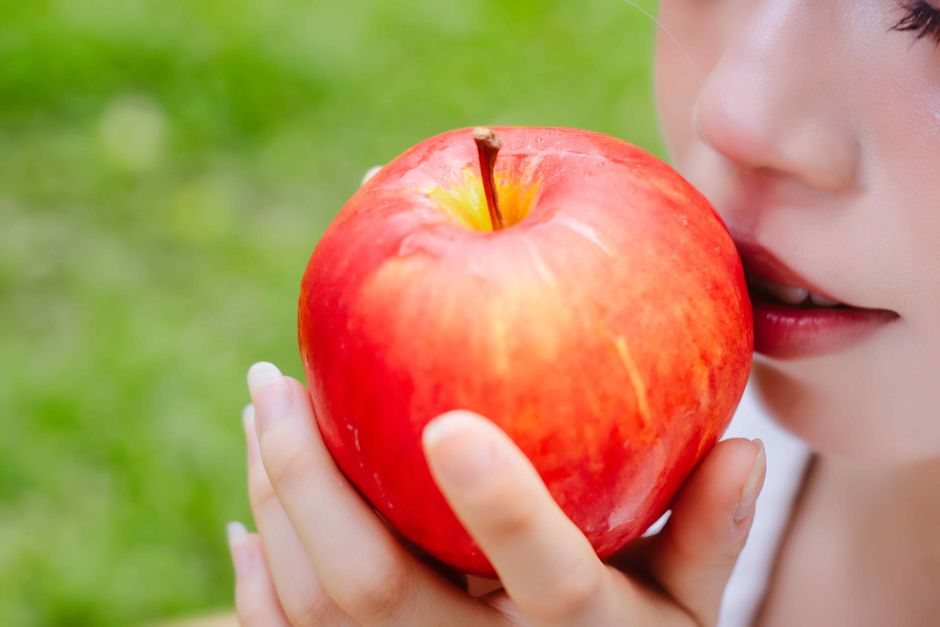
Yes, apples contain vitamin C. A medium raw apple with the skin on provides roughly 8 milligrams of vitamin C, which is about 9 percent of the Daily Value for adults. That makes apples a modest source of the vitamin — not an empty one, and not a standout one either.
Do Apples Have Vitamin C? Facts
Apples do contain vitamin C, also called ascorbic acid. The amount is real but small compared with fruits known for high vitamin C content, such as oranges, kiwis, strawberries, and bell peppers.
According to USDA nutritional data, one medium apple (about 182 grams) with skin provides approximately 8 milligrams of vitamin C. The Daily Value used on US nutrition labels is 90 milligrams for adults and children aged 4 and older. So a single apple delivers close to one-tenth of that target.
Vitamin C is a water-soluble vitamin. The body does not store it in large amounts, which is why it needs to come from food regularly. Apples contribute to that intake, but they are not a food you would rely on to meet the requirement.
How Much Vitamin C Is in an Apple?
The vitamin C content of an apple depends on a few things: the variety, how ripe it is, how long it has been stored, and whether you eat the skin.
Here is how apples compare with some other common fruits, based on USDA data. Values are approximate and refer to a medium-sized raw fruit.
| Fruit | Approximate vitamin C |
|---|---|
| Apple (medium, with skin) | About 8 mg |
| Orange (medium) | About 70 mg |
| Kiwi (medium) | About 60–70 mg |
| Strawberries (1 cup) | About 85 mg |
| Banana (medium) | About 10 mg |
The comparison is useful because it shows where apples sit. They are in the same general range as a banana — a small contributor, not a major one.
One detail worth knowing: peeled apples lose some vitamin C. The skin holds a portion of the vitamin, so eating the apple whole preserves more of it. The difference is small in absolute terms, but it is real.
Does Cooking or Storing Apples Destroy the Vitamin C?
Vitamin C is sensitive to heat, light, and oxygen. Cooking apples — in applesauce, pies, or baked dishes — reduces their vitamin C content. The longer and hotter the cooking, the more is lost.
Fresh, raw apples hold their vitamin C better. Even so, apples lose vitamin C over time in storage. A freshly picked apple has more than one that has sat in a warehouse or on a counter for weeks. Refrigeration slows this loss.
This is not a reason to avoid cooked apples. Applesauce and baked apples still provide fiber, potassium, and other compounds. They simply deliver less vitamin C than the raw fruit.
If vitamin C is your goal, raw apples eaten soon after purchase will give you slightly more than cooked or long-stored ones. The difference is modest, and it does not change apples’ overall role in the diet.





What Else Do Apples Provide Besides Vitamin C?
Vitamin C is only a small part of what an apple offers. Apples are a source of dietary fiber, mostly in the form of pectin, which is concentrated in the skin. A medium apple with skin provides about 4 grams of fiber.
Apples also contain potassium and small amounts of other vitamins and minerals. They provide polyphenols — plant compounds that have been studied for various health effects. Research on apple polyphenols is ongoing, and the evidence for specific health outcomes is not as strong as the evidence for basic nutrients like fiber.
The main nutritional value of an apple comes from its fiber, its water content, and the fact that it is a low-calorie, filling food. A medium apple has roughly 95 calories.
Is the Vitamin C in Apples Enough to Meet Your Needs?
No single apple comes close to meeting daily vitamin C needs on its own. To reach 90 milligrams from apples alone, an adult would need to eat roughly 11 medium apples. That is not a realistic or balanced approach.
The better way to think about apples is as one piece of a varied diet. Vitamin C comes from many foods: citrus fruits, berries, kiwi, tomatoes, potatoes, broccoli, and bell peppers. A diet that includes a range of fruits and vegetables will meet vitamin C needs without relying on any single food.
For people who eat very few fruits and vegetables, apples contribute something, but they are not a substitute for higher-vitamin-C foods. This matters most for groups with higher vitamin C needs.
Who Needs to Pay Attention to Vitamin C Intake?
Most adults in the United States get enough vitamin C from food. Certain groups are more likely to fall short.
- People who smoke. Smoking increases the body’s use of vitamin C, and smokers are advised to take in more than non-smokers.
- People with limited diets that exclude most fruits and vegetables.
- People with certain medical conditions that affect nutrient absorption.
- Infants and young children, whose needs are met through breast milk, formula, or age-appropriate foods.
For pregnant and breastfeeding women, vitamin C needs are higher than for other adults, and specific intake recommendations are set by health authorities. Apples can be part of the diet, but they are not a primary source. Anyone with questions about vitamin C intake during pregnancy or breastfeeding should talk with a healthcare provider rather than adjust their diet based on a single food.
Vitamin C deficiency, called scurvy, is rare in the United States. It still occurs in people with severely restricted diets. Symptoms include fatigue, easy bruising, and poor wound healing. Scurvy is a serious condition that requires medical care.
Does an Apple a Day Really Keep the Doctor Away?
The saying is catchy, not clinical. No study has shown that eating an apple daily prevents disease on its own.
Some research has looked at apple consumption and health outcomes, but the results are mixed and often show only associations, not cause and effect. People who eat apples tend to have other healthy habits too, which makes it hard to isolate the apple’s effect. This is a common problem in nutrition research.
What is well established is that a diet rich in fruits and vegetables is linked to better health. Apples can be part of that pattern. They are convenient, affordable, and easy to eat, which makes them a practical choice. But they are one food among many, and no single food carries that much power.
The vitamin C in apples is real. It is just modest. Treating apples as a solid everyday fruit — rather than a vitamin C powerhouse — is the accurate way to see them.
Frequently Asked Questions
How much vitamin C is in one apple?
A medium raw apple with skin has about 8 milligrams of vitamin C, roughly 9 percent of the Daily Value for adults. The amount varies with variety, ripeness, and storage time.
Are apples a good source of vitamin C?
Apples are a modest source, not a major one. Citrus fruits, kiwis, strawberries, and bell peppers contain far more vitamin C per serving.
Does peeling an apple remove the vitamin C?
Peeling removes some vitamin C because part of it is in the skin. The loss is small in absolute terms, but eating the skin preserves more of the vitamin.
Can you get enough vitamin C from apples alone?
No. An adult would need to eat around 11 medium apples a day to reach the Daily Value of 90 milligrams, which is not a realistic or balanced way to meet the requirement.
