
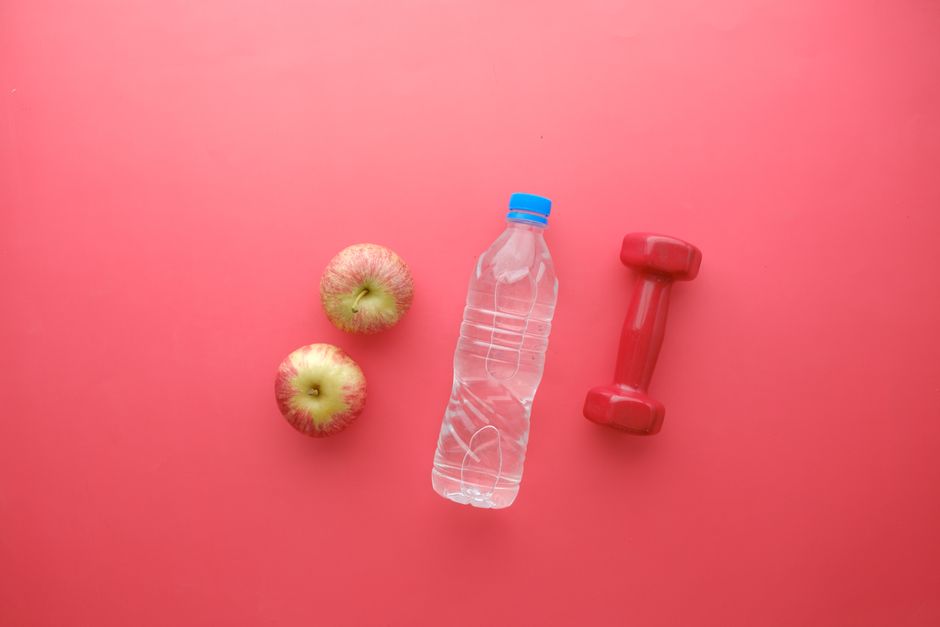
Apples can cause bloating in some people, but they don’t cause it in everyone. The reason comes down to how the gut ferments certain carbohydrates, and how sensitive each person’s digestive system is to that process. For most healthy adults, an apple is a well-tolerated food. For people with a sensitive gut, it can produce gas, pressure, and a distended feeling within an hour or two of eating.
Do Apples Cause Bloating?
Yes, apples can cause bloating in people who are sensitive to certain fermentable carbohydrates. The main trigger is a type of sugar alcohol called sorbitol and a group of short-chain carbohydrates known as FODMAPs. Both are found naturally in apples.
Here is the key point: the bloating is not a sign the apple is bad for you. It is a sign your gut bacteria are fermenting carbohydrates your small intestine did not fully absorb. That fermentation produces gas. In most people, that gas passes without much notice. In some people, the gut wall is more sensitive, and the same amount of gas produces real discomfort and visible swelling.
So the answer depends heavily on the person. An apple a day causes no digestive trouble for many adults. For someone with irritable bowel syndrome or a sensitive gut, the same apple can cause noticeable bloating.
What Is in Apples That Causes Gas?
Apples contain several carbohydrates that are poorly absorbed in the small intestine. The two that matter most for bloating are sorbitol and fructose, along with a mix of fermentable fibers.
- Sorbitol. A sugar alcohol found naturally in apples. It is absorbed slowly and incompletely, so more of it reaches the colon where bacteria ferment it.
- Fructose. A fruit sugar. In apples it exists in a form that some people absorb less efficiently, especially when it is present in excess of glucose.
- Fermentable fiber. Apples contain pectin and other fibers that gut bacteria break down, producing gas as a byproduct.
These fall under the umbrella term FODMAPs — fermentable oligosaccharides, disaccharides, monosaccharides, and polyols. Apples are considered high in FODMAPs, which is why they appear on lists of foods to limit during a low-FODMAP trial for irritable bowel syndrome.
One clarification worth knowing: sorbitol is also used as a sweetener in sugar-free gum and candies, where it is a well-documented cause of gas and loose stools when eaten in quantity. The sorbitol in an apple is a much smaller dose, but the same fermentation process applies.
Why Do Apples Cause Bloating in Some People but Not Others?
The difference comes down to absorption and gut sensitivity, not willpower or diet quality. Two people can eat the same apple and have completely different experiences.
Absorption varies. Some people’s small intestines absorb fructose and sorbitol efficiently, leaving little for bacteria to ferment. Others absorb them poorly, so more reaches the colon. This is a normal variation in human biology, not a disorder.
Gut sensitivity varies too. Even when the same amount of gas is produced, people differ in how their nervous system registers stretch and pressure in the intestine. This is called visceral sensitivity. People with a more sensitive gut feel gas that others would never notice. This is a central feature of irritable bowel syndrome, where normal amounts of intestinal gas can cause significant pain and bloating.
The gut microbiome also plays a role. The types and balance of bacteria in the colon affect how much gas is produced and which gases. Research on the microbiome and bloating is active but still developing, and no single bacterial profile has been confirmed as the cause.





How Long After Eating an Apple Does Bloating Start?
Bloating from an apple typically develops within 30 minutes to a few hours after eating, as the carbohydrates reach the colon and fermentation begins. The timing depends on how quickly the stomach empties and how fast contents move through the small intestine.
Gas and pressure usually build gradually rather than all at once. For some people the discomfort fades within a few hours. For others, especially those with slower digestion or a sensitive gut, it can linger longer.
If bloating reliably follows apples and resolves on its own, that pattern points to a food-related cause rather than anything serious. Bloating that is persistent, painful, or comes with other symptoms is a different situation and worth discussing with a clinician.
Does Cooking Apples Make Them Easier to Digest?
Cooking changes apples in ways that can reduce bloating for some people, but it does not eliminate the trigger. Heat breaks down some of the fiber structure and softens the fruit, which can make it easier to digest.
However, sorbitol and fructose survive cooking largely intact. So applesauce or baked apples may be gentler on the gut for reasons of texture and fiber breakdown, but the fermentable sugars are still present. For someone highly sensitive, cooked apples can still cause gas.
Peeling apples removes some fiber, which may reduce gas production slightly for some people. The evidence here is limited and based mostly on the general behavior of fiber and FODMAPs rather than on apple-specific trials.
How Can You Reduce Apple-Related Bloating?
Portion size is the most practical lever. A small apple delivers less sorbitol and fructose than a large one. Some people find half an apple is comfortable while a whole one is not.
Eating apples with other food, rather than alone on an empty stomach, can slow digestion and change how the carbohydrates are processed. Some people notice a difference; others do not.
If bloating is frequent and disruptive, a clinician may suggest a structured low-FODMAP trial. This is a temporary elimination approach followed by careful reintroduction, and it is best done with guidance because it restricts many healthy foods. Apples are one of the foods typically reduced during the elimination phase.
Do not assume you need to avoid apples permanently. Many people who react to large amounts tolerate small portions without trouble. The goal is to find your own threshold, not to cut out fruit entirely.
When Is Bloating Something to Take Seriously?
Bloating from apples is usually harmless and predictable. Bloating that is new, persistent, or accompanied by other symptoms deserves medical attention.
See a clinician if bloating comes with unexplained weight loss, blood in the stool, ongoing abdominal pain, vomiting, or a change in bowel habits that lasts more than a few weeks. These symptoms are not typical of food-related gas and need proper evaluation.
Persistent bloating can have many causes, and it is not possible to identify the cause from symptoms alone. A clinician can help sort out whether diet, irritable bowel syndrome, or something else is responsible.
Are Apples Still Worth Eating?
Yes. Apples are a nutritious fruit with fiber, vitamin C, and beneficial plant compounds. For most people, the bloating is mild and manageable, and the nutritional value outweighs the discomfort.
If apples cause you trouble, that does not mean fruit is your enemy. Other fruits vary in their FODMAP content and may be better tolerated. Bananas, oranges, and berries are generally lower in the carbohydrates that trigger gas for sensitive people.
The bigger picture matters here. Avoiding an entire food group because of one uncomfortable food can cost you nutrients you need. Working out which fruits suit your gut is more useful than cutting fruit out altogether.
Frequently Asked Questions
Do apples cause bloating in everyone?
No. Apples cause bloating mainly in people sensitive to fermentable carbohydrates like sorbitol and fructose. Many healthy adults eat apples without any digestive trouble.
Why do apples make me gassy but not other fruits?
Apples are high in sorbitol and fructose, which some people absorb poorly, so more reaches the colon where bacteria produce gas. Other fruits contain different carbohydrate profiles that may suit your gut better.
Does peeling an apple stop it from causing bloating?
Peeling removes some fiber and may reduce gas slightly for some people, but it does not remove sorbitol or fructose. The main triggers remain even in a peeled apple.
Should I stop eating apples if they make me bloated?
Not necessarily. Many people tolerate smaller portions or apples eaten with other food. If bloating is frequent and disruptive, talk to a clinician about whether a low-FODMAP trial makes sense for you.
