
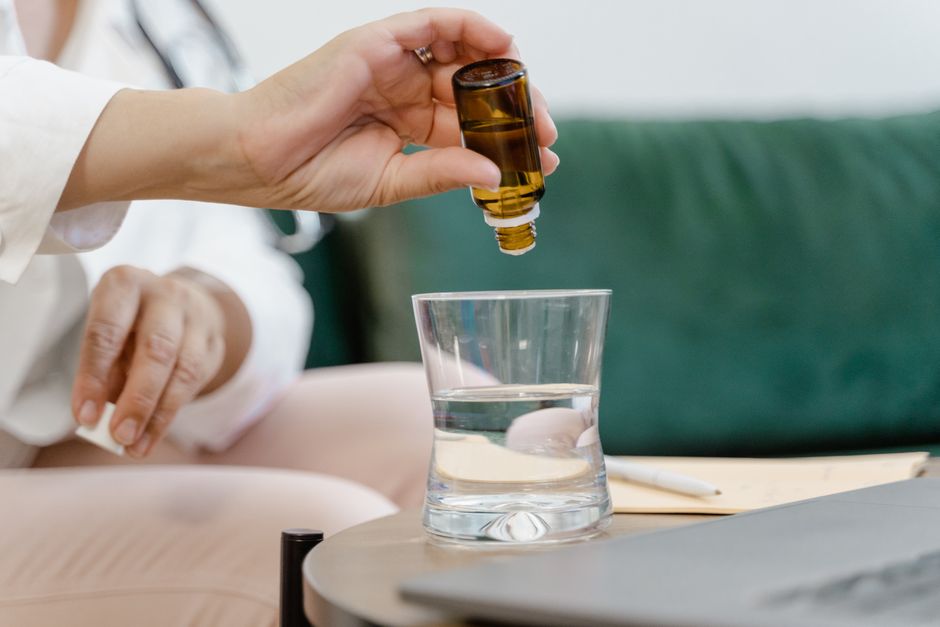
Yes, allergy eye drops can burn — and for many people, they do. The burning is usually brief, lasting seconds to a minute after the drop goes in. It happens for predictable reasons: the drop’s ingredients, its pH, preservatives in the bottle, or eyes that are already irritated and inflamed. Understanding why it happens helps you tell normal stinging apart from a reaction that means you should stop using the drops.
Why Do Allergy Eye Drops Burn When You Put Them In?
The eye is one of the most sensitive surfaces in the body. Its outer layer, the cornea and conjunctiva, is packed with nerve endings that react to changes in pH, temperature, and chemical composition. A drop that feels neutral on your skin can register as a sting on the eye.
Several things drive that sensation:
- pH differences. Healthy tears sit close to a neutral pH. Some eye drops fall outside that narrow range, and the eye registers the mismatch as burning.
- Preservatives. Benzalkonium chloride (often listed as BAK) is the most common preservative in multi-dose eye drops. It is well documented to irritate the eye surface, especially with repeated use.
- Active ingredients. Some antihistamine and mast cell stabilizer drops are more likely to sting than others. This varies by product and by person.
- Already-inflamed eyes. Allergy eyes are inflamed eyes. An inflamed surface is more sensitive to everything, including a drop that would feel mild on a calm eye.
- Cold drops. A bottle stored in a cold place can feel more irritating going in. This is minor but real.
Burning that fades within a minute or so and does not leave lasting redness is common and generally not a sign of harm. Burning that worsens, spreads, or comes with swelling is a different story — more on that below.
Do Allergy Eye Drops Burn More Than Other Eye Drops?
Not necessarily. Allergy eye drops are not uniquely harsh. What sets them apart is who uses them and how often.
People with eye allergies tend to use drops during flare-ups, when their eyes are already irritated. They also often use them for weeks at a time during allergy season. That combination — inflamed eyes plus repeated exposure — makes stinging more noticeable than it would be for someone using a lubricating drop occasionally.
Some classes of allergy drops do have a reputation for stinging more than others. Antihistamine drops and combination antihistamine/mast cell stabilizer drops are commonly reported to cause brief stinging. Artificial tears and plain saline typically sting less. The difference is usually about formulation, not about how well the drop works.
One clarification worth making: a drop stinging does not mean it is working harder or penetrating deeper. That is a common assumption and it is not supported. Stinging reflects irritation of the eye surface, not therapeutic action.
What Causes Burning Beyond the Drop Itself?
Sometimes the drop is not the main culprit. Several other factors can make allergy eye drops burn more than they otherwise would.
Using too much or too often
More drops do not mean more relief. The eye can only hold so much fluid, and excess drops run out or down the cheek. Using drops more often than the label directs can increase exposure to preservatives and worsen irritation over time.
Contact lenses
Many eye drops are not designed for use with contact lenses. Putting a preserved drop in while wearing lenses can trap the preservative against the eye and cause stinging or longer-term irritation. If you wear lenses, check the label or ask a pharmacist which drops are appropriate.
Expired or contaminated bottles
Eye drops have a shelf life, and multi-dose bottles should be discarded according to the label after opening — often within a set number of weeks. Using a bottle past that point raises the risk of contamination, which can cause burning and, in rare cases, infection.
Other products on the eye
Layering eye makeup, facial cleansers, or other drops near the eye can add irritants. So can touching the dropper tip to the eye or eyelashes, which contaminates the bottle.
How Can You Reduce the Burning From Allergy Eye Drops?
Most of the burning from allergy eye drops can be reduced with a few practical changes. None of these are treatments — they are ways to make the drops more comfortable to use.
- Try preservative-free versions. Single-use vials without preservatives are widely available and are often gentler, especially for frequent users.
- Warm the bottle slightly. Holding the closed bottle in your hand for a minute or two can take the chill off.
- Use the correct number of drops. Follow the label. One drop is usually enough.
- Avoid touching the tip. Keep the dropper clean and do not let it contact your eye, lashes, or fingers.
- Remove contact lenses first unless the product is labeled for use with lenses.
- Store drops as directed. Check the label for storage temperature and discard dates.
If a particular product stings more than you can tolerate, it is reasonable to ask a pharmacist or clinician about a different formulation. There is no single “best” allergy drop for everyone — tolerability varies.
When Is Burning a Sign You Should Stop Using the Drops?
Brief stinging is one thing. Certain symptoms are not normal and warrant stopping the drops and seeking medical advice.
Stop using the drops and contact a healthcare professional if you notice:
- Burning that does not settle within a few minutes
- Increasing redness, swelling, or pain after use
- Blurred vision that persists
- Discharge from the eye
- A rash, hives, or swelling around the eye or face
- Difficulty breathing or throat tightness (seek emergency care)
These can indicate an allergic reaction to the drop itself, a secondary infection, or another eye problem that needs evaluation. Allergy eye drops treat symptoms — they do not treat every cause of red, irritated eyes. If your eyes are red and uncomfortable but you have no clear allergy trigger, the drops may not be the right approach at all.
Do Allergy Eye Drops Burn Causes And Solutions: What to Keep in Mind
The short version: mild, brief burning is common and usually tied to formulation, preservatives, or already-irritated eyes. It is not a sign the drop is working, and it is not a sign of harm in most cases.
What matters is the pattern. A quick sting that fades is different from burning that builds, spreads, or comes with other symptoms. If you are using drops frequently, preservative-free options are worth discussing with a pharmacist. If your eyes are not improving or are getting worse, that is a reason to get them looked at rather than to keep adding drops.
Allergy eye drops are one tool among several for managing eye allergies. Avoiding triggers, using cool compresses, and keeping hands away from the eyes all play a role. No single approach works for everyone, and the evidence on which specific product works best for a given person is limited — tolerability and response vary.
Frequently Asked Questions
Is it normal for allergy eye drops to burn?
Yes, brief stinging or burning for a few seconds to about a minute after use is common. It is usually related to the drop’s ingredients, preservatives, or eyes that are already inflamed.
Why do my allergy eye drops burn so much?
Some formulations and preservatives irritate the eye surface more than others, and inflamed allergy eyes are more sensitive to everything. A preservative-free version or a different product may be gentler.
Should I stop using eye drops if they burn?
Stop and seek advice if burning does not settle quickly or comes with swelling, spreading redness, pain, discharge, or vision changes. Mild stinging that fades is generally not a reason to stop.
Do preservative-free allergy eye drops burn less?
They often do, because preservatives like benzalkonium chloride are a common source of irritation. Response varies by person, so it is worth trying if preserved drops bother you.
