
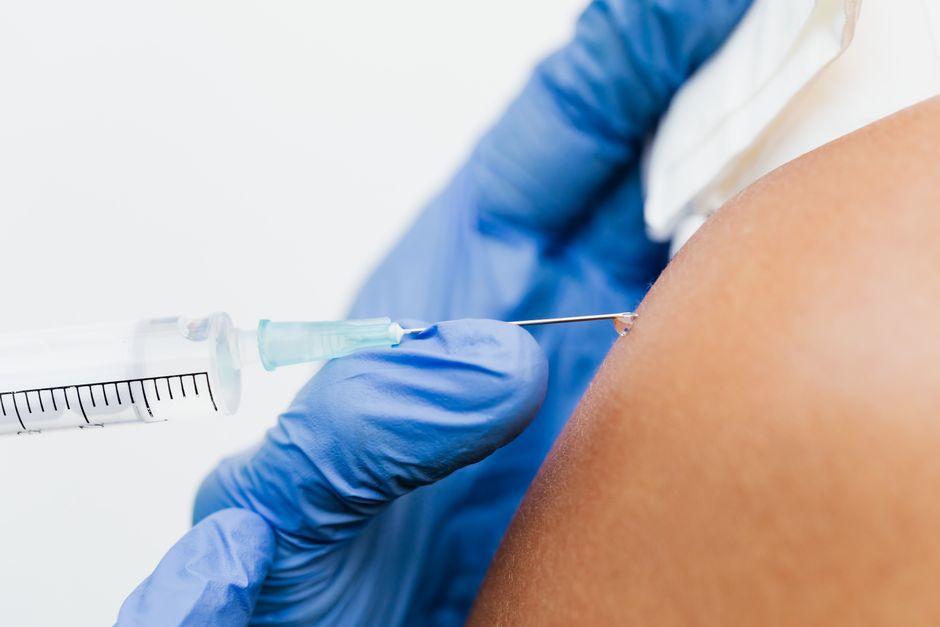
Not every baby gets a meningitis vaccine, and the reason is simple: there is no single “meningitis vaccine.” Meningitis is inflammation of the membranes around the brain and spinal cord, and it can be caused by viruses, bacteria, fungi, or other organisms. Vaccines exist against several of the bacteria that cause the most dangerous forms, but they are not one shot, and they are not given the same way in every country. Whether your baby gets one depends on where you live, which vaccine you mean, and the schedule that country follows.
What Is the Meningitis Vaccine, Exactly?
The phrase gets used loosely, but it usually refers to vaccines against bacterial meningitis — the kind that can kill or cause lasting disability within hours. Viral meningitis is far more common and usually less severe, and there is no routine vaccine for it.
The bacteria that vaccines target fall into a few groups:
- Meningococcal bacteria (Neisseria meningitidis), which have several serogroups, including A, B, C, W, and Y.
- Pneumococcal bacteria (Streptococcus pneumoniae), a leading cause of meningitis in young children.
- Haemophilus influenzae type b (Hib), once a major cause of childhood meningitis before vaccination.
So “the meningitis vaccine” is really a family of vaccines. Some protect against one serogroup. Others cover several. They are not interchangeable, and they are not given on the same schedule.
Do All Babies Get the Meningitis Vaccine?
No. There is no global answer, because immunization schedules are set country by country.
In the United States, the routine childhood schedule does include vaccines that protect against some causes of bacterial meningitis. The pneumococcal conjugate vaccine and the Hib vaccine are both recommended in infancy, and both prevent meningitis among other serious infections. The meningococcal vaccines — the ones most people mean when they say “meningitis vaccine” — are generally recommended later, in early adolescence, with certain high-risk infants receiving them earlier.
In the United Kingdom and much of Europe, the routine schedule differs. The UK, for example, offers a meningococcal B vaccine to infants as part of its routine program, along with meningococcal C and Hib-containing vaccines. The US does not routinely recommend meningococcal B for all infants.
This is not a case of one country being right and another wrong. Different countries weigh disease burden, cost, and vaccine supply differently. The result is that two healthy babies born the same day in different countries can receive very different meningitis-related protection in their first year.
Why Do Schedules Differ Between Countries?
Countries decide what to recommend based on how common a disease is locally, how well a vaccine works, how much it costs, and how the health system is funded.
Meningococcal disease rates vary by region and over time. A serogroup that causes most cases in one country may be rare in another. A vaccine that makes strong sense in a high-burden country may offer less population benefit where the disease is uncommon.
Cost matters too. Meningococcal B vaccines are among the more expensive childhood vaccines, and public health bodies weigh that against the number of cases they prevent. The UK judged the benefit worth routine infant use; the US, looking at its own disease data and cost calculations, did not reach the same conclusion for all infants.
This is a genuine difference in public health judgment, not a sign that one country is ignoring the disease.


Which Meningitis Vaccines Are Given in Infancy in the US?
Two routine infant vaccines protect against bacteria that can cause meningitis, even though they are not usually called “meningitis vaccines.”
The Hib vaccine is given in early infancy. Before it was introduced, Hib was a leading cause of bacterial meningitis in young children. It is now uncommon in countries with routine Hib vaccination.
The pneumococcal conjugate vaccine is also given in infancy. It protects against the pneumococcal strains most likely to cause serious disease in young children, including meningitis.
Meningococcal vaccines are a separate matter. In the US, the meningococcal ACWY vaccine is generally recommended for preteens and teens, and certain meningococcal B vaccines are recommended for older teens and young adults, particularly those heading to college or living in close quarters. Some infants at higher risk — for example, those with certain immune conditions or without a functioning spleen — may be recommended to receive meningococcal vaccines earlier. That is a clinical decision made with a doctor, not a routine infant recommendation.
What About the Meningococcal B Vaccine for Babies?
This is where the country difference is sharpest.
Meningococcal B vaccines are approved for use starting in infancy in several countries, and some national programs recommend them routinely. The UK includes meningococcal B in its infant schedule. The US approves the vaccines for use from a certain young age but does not routinely recommend them for all infants.
The reason is not that the vaccine is considered unsafe or ineffective. It is a difference in how public health bodies weigh the number of cases prevented against cost and other priorities. Both positions rest on the same underlying evidence about how well the vaccine works.
For a US parent who wants meningococcal B protection for an infant, this is a conversation to have with a pediatrician. It is a legitimate option in some circumstances, and it is not part of the standard schedule for every baby.
Are There Babies Who Should Not Get These Vaccines?
Serious reactions that make a vaccine permanently off-limits are rare. A severe allergic reaction to a previous dose or to a vaccine ingredient is the main reason to avoid one.
Premature babies, babies with certain immune conditions, and babies who are acutely ill may need special timing or extra consideration. This is not a reason to skip vaccines in general — it is a reason to follow a clinician’s guidance on when and how.
If you are unsure whether a specific vaccine is appropriate for your baby, that question belongs with your child’s doctor, who knows your baby’s history. General information like this article cannot replace that.
How Does This Compare Across Countries?
The table below shows the general shape of routine infant meningitis-related vaccination in a few places. Schedules change, and specific products vary, so treat this as a rough map rather than a current schedule.
| Country/Region | Hib in infancy | Pneumococcal in infancy | Meningococcal B in infancy | Meningococcal ACWY |
|---|---|---|---|---|
| United States | Routine | Routine | Not routine (high-risk only) | Usually preteen/teen |
| United Kingdom | Routine | Routine | Routine | Later childhood/teen |
| Many other countries | Varies | Varies | Varies | Varies |
The takeaway: “Do all babies get the meningitis vaccine” has no single answer because the vaccine itself is not a single thing, and the schedules are not the same everywhere.
What Should Parents Take Away From This?
Your baby’s protection against bacterial meningitis depends on where you live and which vaccines are on your country’s schedule. In most high-income countries, babies do receive vaccines that protect against some causes of bacterial meningitis — Hib and pneumococcal are the common ones.
Meningococcal protection in infancy is the variable part. Some countries provide it routinely; others reserve it for high-risk infants and recommend it later for everyone else.
The most useful step is to look at your own country’s current immunization schedule and talk with your baby’s pediatrician about what is recommended and why. If you have seen information suggesting all babies everywhere get the same meningitis vaccine, that is not accurate — schedules differ, and the reasons for the differences are legitimate public health judgments rather than oversights.
Frequently Asked Questions
Do all babies get the meningitis vaccine?
No, because there is no single meningitis vaccine and schedules vary by country. Most babies receive Hib and pneumococcal vaccines, which prevent some causes of bacterial meningitis, but routine meningococcal vaccination in infancy differs between countries.
Is the meningitis vaccine given at birth?
No, meningitis-related vaccines are not given at birth. Hib and pneumococcal vaccines typically start in early infancy, and meningococcal vaccines are usually given later, though timing depends on the country and the specific vaccine.
Why does the US not give the meningitis B vaccine to all babies?
The US does not routinely recommend meningococcal B for all infants based on its own disease data and cost-benefit calculations. The vaccine is approved for use in infancy and may be recommended for certain high-risk babies.
Can I get the meningitis B vaccine for my baby if it is not routine?
In some cases, yes, but this is a decision to make with your pediatrician. It depends on your baby’s risk factors and your doctor’s judgment, not a standard recommendation for every infant.
