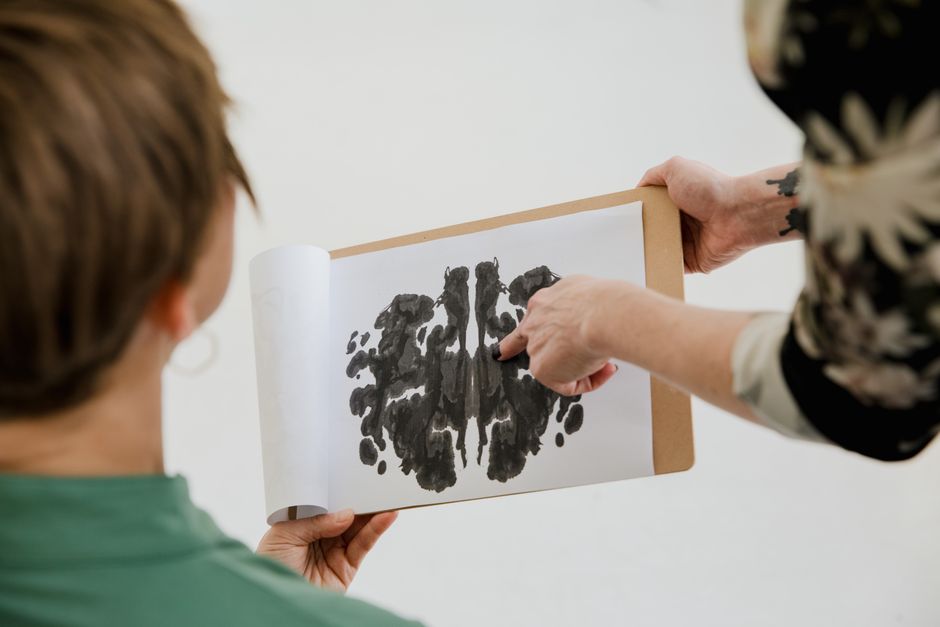
What Makes Defining Abnormality Difficult In Psychology?
what makes defining abnormality difficult in psychology

Defining what is abnormal in psychology is not like defining a broken bone. There is no single test or measurement. Psychologists rely on several criteria—statistical rarity, violation of social norms, personal distress, and impaired functioning—but none of these works perfectly on its own. Cultural differences, changing social values, and the fact that many mental health … Read more


How Is Natural Selection Related To Psychology?

how is natural selection related to psychology

Natural selection is the process where traits that improve survival and reproduction become more common over generations. Psychology studies the mind and behavior. The two connect directly: natural selection helped shape the human brain and the behaviors it produces. Traits like fear of danger, preference for sweet foods, and social bonding all have roots in … Read more

What Are The Causes Of Depression Science Explains?

what are the causes of depression science explains

Depression is not caused by one single thing. Science shows that a combination of genetics, brain chemistry, stress, and life experiences all play a role. The brain’s circuits that regulate mood, sleep, and appetite can become disrupted, and this disruption often leads to the symptoms of depression. What Are The Causes Of Depression Science Explains? … Read more

What Are Healthy Coping Mechanisms For Mental Health?

what are healthy coping mechanisms for mental health

Healthy coping mechanisms are strategies you use to manage stress, difficult emotions, and challenging situations in a way that protects your mental health. They help you feel better without causing harm to yourself or others, and they build resilience over time. Examples include physical activity, talking with a trusted friend, practicing mindfulness, and engaging in … Read more