
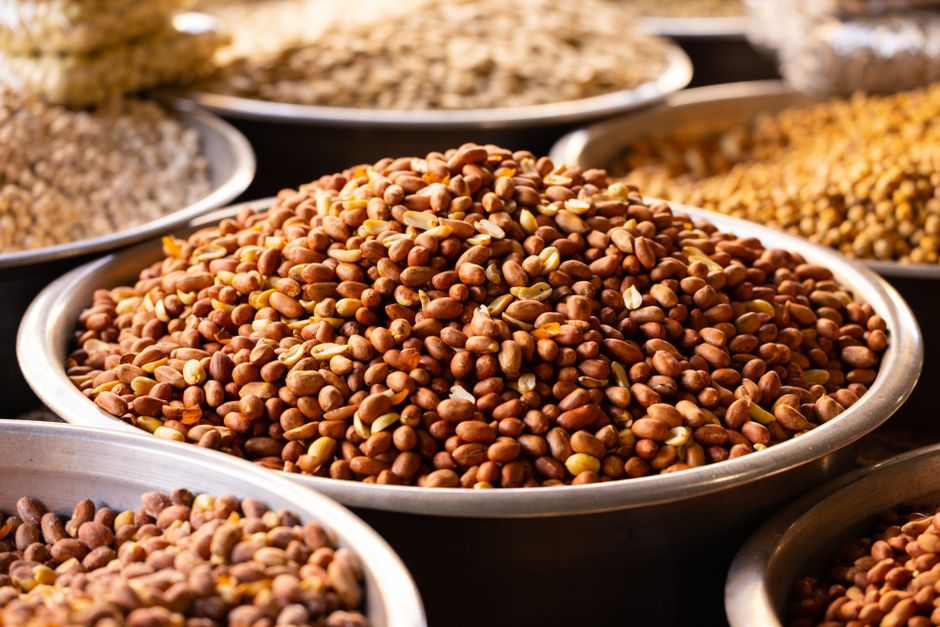
Choosing a cooking oil can feel like a game of trade-offs. Canola oil is a kitchen staple known for its neutral taste, while peanut oil is a favorite for high-heat frying. The “better” choice depends entirely on what you are cooking and what you are looking for in terms of fat profile and smoke point.
Canola oil is lower in saturated fat and richer in plant-based omega-3s, making it a strong choice for everyday cooking and baking. Peanut oil offers a higher smoke point and a distinct nutty flavor, which is why it is the go-to for deep frying and stir-frying. Neither is a “bad” oil, but they serve different purposes in the kitchen.
What Is the Difference Between Canola and Peanut Oil?
Canola oil comes from the seeds of the canola plant, which was developed from rapeseed. It is prized for its light texture and very mild flavor that does not interfere with other ingredients. Peanut oil is pressed from peanuts and has a richer, nuttier taste that can add flavor to the final dish.
The most significant difference lies in their fat composition. Canola oil has a low amount of saturated fat and a high amount of monounsaturated fat, which is the same heart-healthy fat found in olive oil. It also contains a meaningful amount of polyunsaturated fats, including alpha-linolenic acid (ALA), a type of plant-based omega-3. Peanut oil has a higher proportion of monounsaturated fat, but it also contains more saturated fat than canola oil.
Canola Vs Peanut Oil: Which Has a Better Fat Profile?
When comparing the two, canola oil generally has the more favorable fat profile for heart health. It has about half the saturated fat of peanut oil. Saturated fats can raise LDL cholesterol levels, so choosing oils lower in them is often recommended.
Canola oil also provides a source of omega-3 fatty acids, which are important for reducing inflammation and supporting heart health. Peanut oil is very low in omega-3s. However, peanut oil is high in monounsaturated fats, which are also beneficial for cholesterol levels. The choice here depends on your overall diet. If you already get plenty of omega-3s from fish and nuts, peanut oil is a perfectly acceptable option. If you are looking for a general-purpose oil that contributes to your daily omega-3 intake, canola oil has the edge.
Which Oil Has a Higher Smoke Point?
The smoke point of an oil is the temperature at which it starts to break down and produce smoke. When an oil breaks down, it can release harmful compounds and create off-flavors. This makes smoke point a critical factor when choosing an oil for cooking methods.
Peanut oil has a significantly higher smoke point than canola oil. Refined peanut oil has a smoke point around 450°F (232°C), which makes it excellent for deep frying. Canola oil has a smoke point of about 400°F (204°C), which is still high enough for most cooking methods like sautéing, baking, and pan-frying.
For high-heat cooking like deep frying at 350°F to 375°F (177°C to 191°C), both oils are actually safe. The food being fried will lower the oil temperature. The higher smoke point of peanut oil simply gives you more room for error and prevents the oil from breaking down as quickly during long frying sessions.





Canola Vs Peanut Oil: Which Is Better for Deep Frying?
Peanut oil is the traditional choice for deep frying, and for good reason. Its high smoke point and neutral-to-nutty flavor make it ideal for producing crispy, non-greasy food. It is the standard oil used in many Southern American kitchens for frying turkey and chicken.
Canola oil is also capable of deep frying, but it may not hold up as well over multiple uses. Because it has a lower smoke point, it can degrade faster if you are frying large batches. If you fry occasionally, canola oil works fine. If you are a serious home fryer or cooking for a crowd, peanut oil is the more reliable option.
There is one important consideration: peanut oil is a major allergen. If anyone in your household has a peanut allergy, you must avoid peanut oil entirely. In this case, canola oil is the safer and equally effective substitute for frying.
What Are the Health Considerations?
Both oils have been studied for their effects on cholesterol and heart disease risk. Research consistently shows that replacing saturated fats with unsaturated fats, like those found in canola and peanut oil, can lower LDL (bad) cholesterol levels. This is a well-established dietary principle.
Some studies suggest that canola oil may have a slight advantage in improving insulin sensitivity compared to other oils, but the evidence is mixed. No large clinical trials have definitively proven that one of these oils is superior to the other for preventing heart disease. The most important factor is replacing saturated fats in your diet with unsaturated fats, regardless of which of these two oils you choose.
There is also the matter of processing. Most canola oil is refined, bleached, and deodorized. Cold-pressed or expeller-pressed versions are available, but they are less common and more expensive. Peanut oil is available in both refined and unrefined forms. Unrefined peanut oil has a lower smoke point and a much stronger peanut flavor, making it less versatile for high-heat cooking.
Which Oil Should You Use for Different Cooking Methods?
The table below summarizes the best uses for each oil based on their properties.
| Cooking Method | Canola Oil | Peanut Oil |
|---|---|---|
| Baking | Excellent choice | Works, but adds a nutty flavor |
| Sautéing | Excellent choice | Good choice |
| Stir-frying | Good choice | Excellent choice |
| Deep frying | Good choice for occasional use | Excellent choice for frequent use |
| Salad dressings | Good choice, very neutral | Not recommended, flavor is too strong |
For everyday cooking where you want the flavor of your ingredients to shine, canola oil is the better pick. For high-heat cooking where you want a crispy texture and a subtle nutty flavor, peanut oil is the winner.
Is There a Risk with Genetically Modified Canola Oil?
This is a common concern. The vast majority of canola oil produced in North America comes from genetically modified (GMO) crops. This has led some people to avoid it out of caution.
The scientific consensus is that GMO foods currently on the market are safe to eat. Major health organizations around the world have reviewed the evidence and found no health risks associated with consuming genetically modified crops. If you prefer to avoid GMOs, you can purchase organic canola oil, which is produced without genetically modified seeds. Organic canola oil is widely available and performs the same in cooking.
Frequently Asked Questions
Is peanut oil healthier than canola oil?
Canola oil has a more favorable fat profile because it is lower in saturated fat and contains omega-3s. Peanut oil is still a heart-healthy choice, but canola oil has the edge for everyday use.
Can I use canola oil instead of peanut oil for frying?
Yes, canola oil works well for frying, though it may degrade faster during long frying sessions. It is a safe and effective substitute, especially if you need to avoid peanuts due to allergies.
Which oil has the highest smoke point?
Peanut oil has a higher smoke point of about 450°F (232°C) compared to canola oil’s 400°F (204°C). This makes peanut oil better suited for very high-heat cooking like deep frying.
Does canola oil taste like peanut oil?
No. Canola oil has a very mild, neutral flavor, while peanut oil has a distinct nutty taste. The flavor difference is noticeable in dishes where the oil is not heavily masked by other ingredients.
