
Both canned and frozen vegetables are picked and processed at peak ripeness, and both can be nutritious. The real differences come down to sodium, texture, additives, and how you plan to use them. For most people, the smartest choice is the one that gets eaten.
Fresh produce starts losing vitamins the moment it is harvested. Canning and freezing both slow that loss by different methods. Neither is automatically “better.” What matters is what is added during processing and how the vegetable holds up in your kitchen.
Canned Vegetables Vs Frozen Veggies: How Do They Compare Nutritionally?
Frozen vegetables often retain slightly more water-soluble vitamins than canned ones, but the gap is smaller than most people assume.
Vitamin C and B vitamins are water-soluble. They break down with heat, light, and time. Frozen vegetables are usually blanched briefly then frozen fast, which locks in most nutrients. Canned vegetables are heated during the canning process, which causes more vitamin loss. How much depends on the vegetable, the canning method, and how long the can sits on a shelf. Storage time matters. A can that has been in your pantry for two years will have fewer water-soluble vitamins than one canned last month.
Fat-soluble vitamins like A, D, E, and K hold up better in both methods. Minerals like calcium, iron, and potassium are largely unaffected by either process. Fiber content stays similar in both. So the “canned is dead food” claim is not accurate. The differences are real but modest for most nutrients.
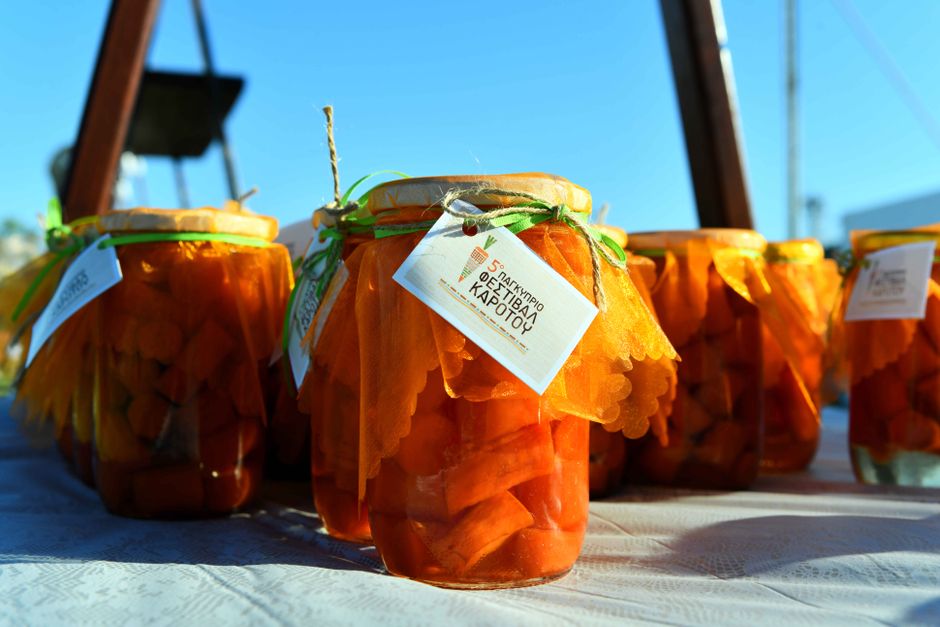
One non-obvious point: some canned vegetables actually have more of certain nutrients than fresh ones. Lycopene in canned tomatoes is more bioavailable than in raw tomatoes because heat breaks down cell walls. The same is true for beta-carotene in canned carrots. Your body absorbs these compounds more easily from cooked, processed sources.
Is Canned or Frozen Better for Sodium and Additives?
Frozen vegetables are almost always lower in sodium than canned, and this is the biggest practical difference between the two.
Plain frozen vegetables usually contain nothing but the vegetable itself. No salt, no preservatives, no added sugar. Some frozen varieties come with sauces or seasonings that add sodium and calories, so check the label. But plain frozen peas, corn, spinach, and broccoli are typically additive-free.
Canned vegetables almost always contain added salt. It acts as a preservative and flavor enhancer. A half-cup serving of canned green beans can contain 300 to 400 milligrams of sodium or more, depending on the brand. That is a meaningful amount for anyone watching blood pressure. The American Heart Association recommends no more than 2,300 milligrams of sodium per day for most adults, and ideally no more than 1,500 milligrams for people with high blood pressure.
You can reduce sodium in canned vegetables by draining and rinsing them. Research indicates that rinsing canned beans and vegetables for about a minute can remove a substantial portion of the added sodium. It does not eliminate it entirely, but it helps. Look for “no salt added” or “low sodium” versions when available. These have become much more common in recent years.
Some canned vegetables also contain added sugar, particularly canned corn and canned peas. Frozen versions rarely do. If you are managing blood sugar, this is worth checking on the label.
Does Freezing or Canning Destroy Nutrients?
Neither process destroys all nutrients, but both cause some loss. The question is how much and which ones.
Freezing causes minimal nutrient loss because it happens quickly and does not involve prolonged high heat. The blanching step before freezing does cause some vitamin C loss, typically in the range of 10 to 20 percent for many vegetables. After that, freezing essentially pauses degradation. Frozen vegetables stored properly can keep most of their nutrients for 8 to 12 months.
Canning involves higher heat for longer periods. This leads to greater losses of vitamin C and some B vitamins. Depending on the vegetable and method, vitamin C loss during canning can range from 30 to 60 percent or more. However, once canned, the vegetable is shelf-stable for years with minimal further nutrient loss because the can is sealed and oxygen-free.
Here is the practical takeaway: if you eat your frozen vegetables within a few months, you will likely get more vitamin C than from a can that has been stored for a year. If you are comparing a fresh vegetable that has been sitting in your fridge for two weeks to a canned one, the canned version may actually have more nutrients left.




Which One Tastes Better and Works Better in Cooking?
Frozen vegetables generally have better texture and flavor than canned, especially for vegetables you plan to eat on their own.
Freezing preserves the cell structure of vegetables better than canning. When you cook frozen peas, corn, or green beans, they taste closer to fresh. They hold their shape. They have a firmer bite. Canned vegetables are softer and often mushier because the canning process breaks down cell walls. This is not always a bad thing. Canned tomatoes, for example, are excellent for sauces and soups because they are already broken down. Canned pumpkin is ideal for baking. Canned beans are a staple for chili and salads.
For dishes where texture matters, frozen wins. For dishes where the vegetable is cooked into something else, canned works fine. Think about how you will use the vegetable before deciding which to buy.
- Frozen is better for: stir-fries, roasting, steaming, eating as a side dish, salads where texture matters
- Canned is better for: soups, stews, casseroles, sauces, dips, baking, quick meals where convenience matters most
Are There Safety Concerns With Canned Vegetables?
Commercially canned vegetables are safe when the can is intact and undamaged. The canning process kills harmful bacteria, including Clostridium botulinum, which is the concern with home-canned foods.
The main safety issue with commercial cans is the liner. Most cans are lined with a material that contains bisphenol A (BPA) or similar compounds. BPA is an endocrine disruptor that can leach into food, especially when the can is heated or acidic. The FDA has stated that BPA at current levels in food is safe, but some research has raised concerns about long-term low-level exposure. Many manufacturers have moved to BPA-free liners, but “BPA-free” does not always mean the replacement is inert. Some studies suggest BPA alternatives may have similar hormonal activity, though the evidence is not conclusive.
If this concerns you, frozen vegetables avoid the issue entirely. They are typically packaged in plastic bags, which also have their own considerations, but the BPA concern is specific to can liners.
Never use a can that is bulging, leaking, or severely dented. These signs can indicate bacterial contamination. If the can hisses or spurts when opened, throw it away. Do not taste it to check.
Which Is More Affordable and Convenient?
Canned vegetables are usually cheaper per serving than frozen, but frozen often goes on sale and can be competitive.
A standard 15-ounce can of vegetables typically costs less than a 12-ounce bag of frozen. Canned vegetables also have a much longer shelf life, often two to five years, compared to 8 to 12 months for frozen. For people on tight budgets or those who live far from grocery stores, canned is often the more practical choice.
Frozen vegetables require freezer space and electricity. If you lose power for an extended period, they thaw and spoil. Canned vegetables do not have this vulnerability. In areas prone to power outages, canned vegetables provide more food security.
Both are more affordable than fresh vegetables in most cases, especially out of season. The cheapest option is whatever is on sale and fits your storage situation.
What About Farmers Markets and Fresh Options?
Fresh vegetables from a farmers market or your garden can be the most nutritious option if you eat them quickly.
The nutritional advantage of fresh vegetables depends entirely on how fresh they are and how you store them. A tomato picked yesterday and eaten today beats both canned and frozen. A tomato shipped across the country and sitting in a produce bin for a week may have lost more nutrients than a frozen or canned version. The “fresh is always best” message is an oversimplification.
If you have access to truly fresh, local produce and you eat it within a few days, that is ideal. If not, frozen and canned are both solid choices. Do not feel guilty about using them.
The Bottom Line
Frozen vegetables usually have less sodium, better texture, and slightly more water-soluble vitamins than canned. Canned vegetables are cheaper, last longer, and work better in certain dishes. Neither is a bad choice.
For most people, the best strategy is to keep both on hand. Use frozen for side dishes and stir-fries. Use canned for soups, stews, and emergencies. Check labels for added sodium and sugar. Rinse canned vegetables when you can. Eat a variety of vegetables in whatever form you can get them. That matters more than which preservation method you choose.
Frequently Asked Questions
Are frozen vegetables healthier than canned?
Frozen vegetables generally retain slightly more water-soluble vitamins and almost always contain less sodium than canned. However, both are nutritious, and the difference is not large enough to make canned vegetables a poor choice.
Does rinsing canned vegetables remove the sodium?
Rinsing canned vegetables can remove a meaningful portion of the added sodium, though it does not eliminate it completely. Research suggests rinsing for about a minute removes more sodium than draining alone.
Can I use frozen vegetables instead of canned in recipes?
Yes, frozen vegetables can replace canned in most recipes, but you may need to adjust cooking time and liquid. Frozen vegetables release more water and take longer to soften than canned ones.
Are canned vegetables safe to eat every day?
Yes, canned vegetables are safe to eat daily, but watch your total sodium intake if you eat them often. Choosing low-sodium or no-salt-added varieties can help keep daily sodium within recommended limits.
