
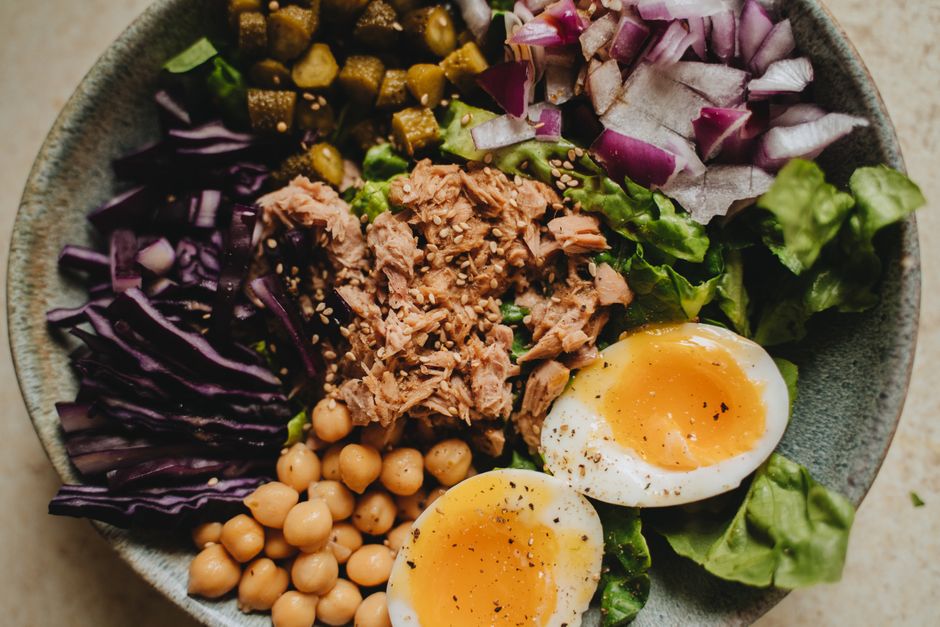
Canned tuna is one of the most common foods people ask about during pregnancy, and the answer is more nuanced than a simple yes or no. The short version: canned light tuna is generally considered a lower-mercury option that most guidance allows in limited amounts during pregnancy, while canned albacore (white) tuna contains more mercury and is usually limited more strictly. The deciding factor is mercury, not the tuna itself.
Why Mercury Is the Main Concern With Canned Tuna During Pregnancy
Mercury occurs naturally in the environment and is also released by industrial activity. It settles into oceans and lakes, where bacteria convert it into methylmercury. That form builds up in fish tissue as smaller fish are eaten by larger ones. This is why long-lived, predatory fish tend to carry the most mercury.
Tuna sits fairly high on the food chain, so it accumulates more mercury than smaller fish like salmon, sardines, or tilapia. The type of tuna matters a great deal. Skipjack tuna, which is typically used in cans labeled “light,” is smaller and shorter-lived. Albacore, often labeled “white,” is a larger fish and carries roughly two to three times the mercury of light tuna.
Methylmercury crosses the placenta and can affect the developing brain and nervous system of a fetus. That is the entire reason pregnancy guidance focuses on limiting certain fish rather than avoiding fish altogether. The concern is dose and cumulative exposure over the course of a pregnancy, not a single meal.
How Much Canned Tuna Is Considered Safe During Pregnancy?
Federal guidance in the United States groups canned light tuna among “Best Choices” and canned albacore among “Good Choices” for people who are pregnant or breastfeeding. The general framework from the FDA and EPA recommends two to three servings of fish per week from the “Best Choices” list, with total intake around 8 to 12 ounces per week.
Within that weekly total, albacore is typically limited to no more than 6 ounces per week. Canned light tuna is generally allowed more freely within the overall weekly fish allowance. A standard can of tuna is usually about 5 ounces drained, so a single can of albacore can use up most or all of the weekly white-tuna allowance.
These figures come from federal dietary guidance and have been stable for years. If you want the most current version, the FDA and EPA publish a chart called “Advice About Eating Fish” that is updated periodically. Your obstetric provider can also confirm what fits your situation.
One practical note that surprises many people: chunk light and solid white are not the same product. “Chunk light” is usually skipjack and has less mercury. “Solid white” or “albacore” is a bigger fish with more mercury. Reading the label matters more than the brand.
What About Tuna Steaks and Sushi?
Fresh tuna steaks, including ahi and yellowfin, are a different category from canned tuna. They are generally higher in mercury than canned light tuna and are typically placed in the “Good Choices” or more limited category depending on the species. Bigeye tuna, often used in sushi, is on the “Choices to Avoid” list during pregnancy because of its high mercury content.
Raw fish, including sushi and sashimi, carries a separate concern beyond mercury. Raw fish can harbor parasites and bacteria such as Listeria, which is rare but can cause serious illness in pregnancy. For that reason, most clinical guidance advises avoiding raw fish during pregnancy regardless of mercury level. Cooked tuna dishes are the safer route.




What Are the Benefits of Eating Tuna During Pregnancy?
Fish is a valuable source of nutrients that support fetal development. Tuna provides high-quality protein, vitamin D, and omega-3 fatty acids, including DHA. DHA is a structural fat in the brain and retina, and the developing fetus depends on maternal intake.
This is why guidance encourages eating low-mercury fish during pregnancy rather than avoiding fish entirely. Some research has linked maternal fish consumption to benefits for the developing fetus, though the strength of that evidence varies by study design and outcome measured. The key is choosing fish that are low in mercury and eating them within recommended amounts.
Canned light tuna can contribute to that intake. It is affordable, shelf-stable, and easy to prepare, which matters for many households. It is not the only option, and it does not need to be a daily food.
How Does Canned Tuna Compare to Other Fish?
The table below shows roughly how common fish and seafood options rank by mercury content. These categories reflect federal guidance, not exact measurements, and individual fish within a species can vary.
| Fish | Mercury Category | Pregnancy Guidance |
|---|---|---|
| Canned light tuna (skipjack) | Best Choice | Allowed within weekly fish total |
| Canned albacore / white tuna | Good Choice | Limit to about 6 oz per week |
| Salmon, sardines, tilapia, shrimp | Best Choice | 2-3 servings per week |
| Fresh tuna steak (yellowfin, ahi) | Good Choice | Limit within weekly total |
| Bigeye tuna, swordfish, shark, king mackerel | Choices to Avoid | Avoid during pregnancy |
What Are the Real Risks of Too Much Mercury?
Methylmercury is a neurotoxin. At high levels of exposure, it can impair neurological development in a fetus, affecting areas such as attention, memory, and language. The effects depend on how much mercury reaches the fetus and over what period of time.
This is a dose-response relationship. Occasional canned light tuna within recommended limits is not the same as eating high-mercury fish several times a week. The risk comes from repeated, cumulative exposure, especially from fish on the “Choices to Avoid” list.
There is no reliable evidence that a single can of light tuna during pregnancy causes harm. There is also no benefit to exceeding the recommended weekly amounts. The goal is balance, not perfection or avoidance.
Practical Tips for Including Canned Tuna Safely
If you choose to eat canned tuna during pregnancy, a few habits help keep mercury intake in check.
- Choose chunk light tuna more often than white or albacore.
- Track your total weekly fish intake, not just tuna.
- Vary your fish choices across the week using low-mercury options like salmon, sardines, or shrimp.
- Avoid bigeye tuna, swordfish, shark, and king mackerel entirely.
- Check local fish advisories if you eat fish caught in local waters.
If you are unsure how much tuna fits your diet, your obstetric provider or a registered dietitian can help you plan around your specific intake. There is no single number that works for everyone, because it depends on what else you eat.
Frequently Asked Questions
Is canned tuna safe during pregnancy?
Canned light tuna is generally considered safe in limited amounts during pregnancy, while canned albacore should be limited to about 6 ounces per week. The type of tuna and total weekly intake both matter.
How much canned tuna can I eat while pregnant?
Federal guidance recommends 8 to 12 ounces of low-mercury fish per week, with albacore limited to about 6 ounces of that total. Canned light tuna can make up part of the remaining allowance.
Is albacore or light tuna better during pregnancy?
Light tuna is generally the lower-mercury choice because it is usually made from smaller skipjack tuna. Albacore, labeled “white,” carries more mercury and is limited more strictly.
Can eating too much tuna during pregnancy harm the baby?
High, repeated mercury exposure can affect fetal brain and nervous system development. Staying within recommended weekly amounts of low-mercury fish keeps exposure in a range considered safe by federal guidance.
