
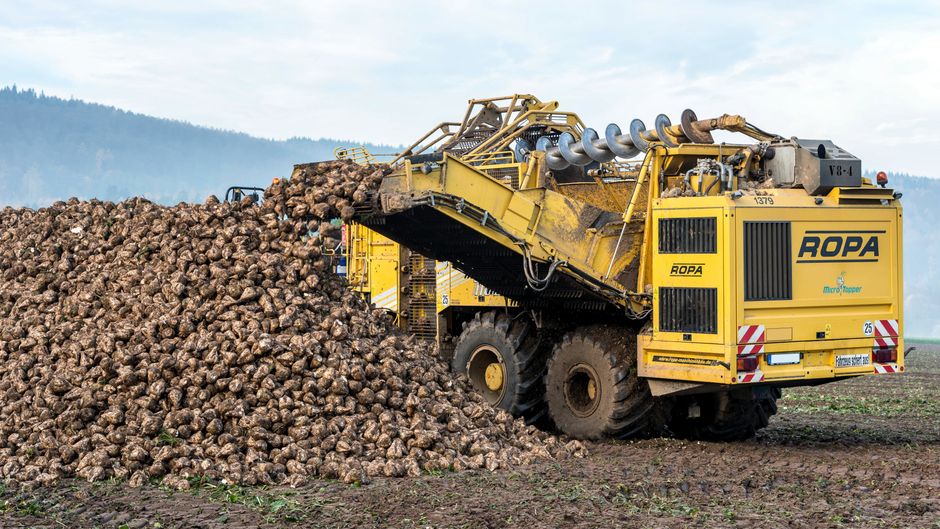
Cane sugar and beet sugar are chemically almost identical. Both are roughly 99.9% sucrose, and your body cannot tell them apart. The differences that matter to most people come down to how they are processed, how they behave in cooking, and whether one fits a specific diet.
If you are standing in the baking aisle wondering which bag to grab, the short answer is that for most uses they are interchangeable. There are a few situations where the choice matters, and they are worth knowing.
What Is The Difference Between Cane Sugar And Beet Sugar?
Both come from plants, and both end up as sucrose. The cane plant is a tall tropical grass. The beet is a root vegetable grown in cooler climates. After harvesting, each goes through a process of juice extraction, purification, crystallization, and refining.
At the molecular level, the refined white sugar from either source is the same compound: sucrose. A lab test would struggle to tell them apart once fully refined.
The differences show up in three places:
- Processing aids. Cane sugar refining sometimes uses bone char to whiten and filter the sugar. Beet sugar does not. This matters to people following a vegan diet.
- Trace compounds. Unrefined or less-refined versions carry tiny amounts of minerals and plant compounds from the source. These affect color and flavor slightly.
- Baking behavior. Some home bakers report that beet sugar behaves differently in certain recipes. The evidence for this is mostly anecdotal.
One point that surprises many people: the sugar in a bag labeled simply “sugar” in the US is usually cane sugar, but not always. Beet sugar is common in some regions and in some processed foods. If bone char is a concern for you, the label alone will not tell you the source.
Is Beet Sugar Vegan?
Beet sugar is generally considered vegan. Cane sugar may not be, depending on how it was refined.
The issue is bone char. Some cane sugar refineries pass the sugar liquor through filters made of charred animal bones to remove color and impurities. The bone char does not become part of the sugar. But some people who avoid animal products prefer to avoid sugar processed this way.
Not all cane sugar is refined with bone char. Some refineries use other filtration methods. In the US, a small number of refineries still use bone char, and their sugar can end up in many brands and products. Organic cane sugar is typically processed without bone char, because organic certification rules generally prohibit the use of bone char filtration.
This is why you will sometimes see beet sugar praised in vegan circles. It sidesteps the question entirely. If avoiding animal-derived processing aids matters to you, certified organic cane sugar or beet sugar are the safer bets.
Does Beet Sugar Bake Differently Than Cane Sugar?
Some bakers say beet sugar does not caramelize the same way or produces different results in certain recipes. The evidence for this is thin.
Both sugars are sucrose. In theory, they should behave the same in most recipes. Anecdotal reports from home bakers describe beet sugar browning less readily or producing slightly different textures in candy making and some baked goods.
No large controlled studies have confirmed a consistent difference. Food science sources generally treat the two as interchangeable for home cooking. Where the reports cluster is in recipes that depend on precise sugar behavior, such as caramel and some delicate confections.
If you bake a lot and notice a difference, it may be worth testing both in the same recipe. If you are a casual baker, the choice is unlikely to make or break your results.
Is One Healthier Than The Other?
No. Refined cane sugar and refined beet sugar have the same nutritional profile. Both are essentially pure sucrose with negligible vitamins or minerals.
Both are added sugars. Dietary guidelines in the US recommend limiting added sugars to less than 10% of daily calories. That advice applies equally to cane and beet sugar.
There is a persistent idea that one type of sugar is “healthier” because of its source. This does not hold up. The source plant does not change what the refined product does in your body.
Less-refined sugars, such as raw sugar, turbinado, or muscovado, contain slightly more trace minerals because they retain some molasses. The amounts are small enough that they do not make these sugars a meaningful source of nutrients. They are still added sugar.
What About Raw Sugar, Brown Sugar, And Other Types?
The cane-versus-beet question gets more complicated once you move away from plain white sugar.
Brown sugar is usually white sugar with molasses added back in, or less-refined sugar that still contains some molasses. Most brown sugar sold in the US is cane-based, though beet-based versions exist.
Raw sugar and turbinado are less refined and retain some molasses, which gives them a darker color and a mild caramel flavor. These are typically made from cane, partly because cane molasses has a distinct flavor that people expect.
Beet molasses exists, but it has a different, more bitter flavor and is rarely sold for cooking. This is one reason beet sugar is more often found as plain white sugar.
| Type | Typical Source | Refining Level | Flavor Notes |
|---|---|---|---|
| White granulated | Cane or beet | Fully refined | Neutral, sweet |
| Brown | Mostly cane | Refined with molasses added, or partly refined | Mild caramel, moist |
| Turbinado / raw | Mostly cane | Partly refined | Light caramel, larger crystals |
| Organic | Cane or beet | Varies; no bone char in cane | Similar to conventional |
How Can You Tell Which One You Are Buying?
In the US, most sugar labels do not state whether the sugar came from cane or beet. This can be frustrating if the source matters to you.
Here is what helps:
- Look for “cane sugar” on the label. If a product says “cane sugar,” it is cane. If it just says “sugar,” it could be either.
- Check for organic certification. Organic cane sugar is generally processed without bone char.
- Contact the manufacturer. Many companies will tell you the source and processing method if you ask.
- Check vegan resources. Some vegan groups maintain lists of sugar brands that avoid bone char, though these lists change and are not official.
For beet sugar specifically, some brands do label it. But it is less commonly called out than cane sugar.
The Bottom Line
For most people, cane sugar and beet sugar are interchangeable. They are the same molecule, they taste the same when refined, and they affect your body the same way.
The choice matters mainly for people avoiding bone char for ethical or dietary reasons, or for bakers who have noticed a difference in specific recipes. Neither is healthier than the other. Both are added sugars, and both are best enjoyed in moderation as part of a balanced diet.
Frequently Asked Questions
Is beet sugar the same as cane sugar?
Chemically, yes. Both refined white sugars are about 99.9% sucrose, and your body processes them identically. The differences are in how they are processed and where they come from, not in their basic chemistry.
Is cane sugar or beet sugar better for baking?
For most recipes, they work the same. Some bakers report differences in caramel and delicate confections, but no large studies confirm a consistent difference.
Why do some people avoid cane sugar?
Some cane sugar is refined using bone char, which some vegans and vegetarians prefer to avoid. Beet sugar does not use bone char, so it is often considered a safer choice for those diets.
Does beet sugar have fewer calories than cane sugar?
No. Both have the same calorie content per gram, about 4 calories per gram, because both are sucrose. Neither is a lower-calorie option.
