
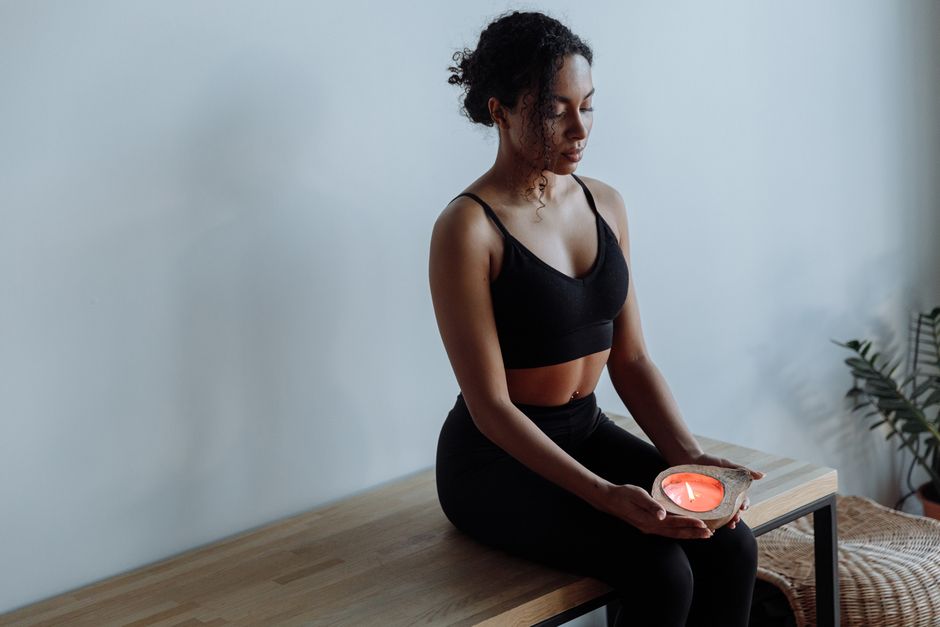
Candles do not need to be a source of worry in your home, but the idea of a “healthy” candle depends entirely on what it is made of and how you burn it. The healthiest choice is a candle made from 100% beeswax or high-quality soy wax with a cotton or wooden wick, and no synthetic fragrances. These materials burn cleaner and produce significantly less soot than traditional paraffin wax candles, which are derived from petroleum.
What Makes a Candle Unhealthy?
The main health concerns with candles come from three things: the wax, the wick, and the fragrance. Paraffin wax is the most common candle wax because it is cheap. When burned, paraffin releases trace amounts of volatile organic compounds (VOCs) like toluene and benzene. The levels are low, but they are not zero.
Wicks made with a metal core were historically a concern because some contained lead. Lead-core wicks were banned in the United States in 2003, but older candles or imported ones may still have them. A simple test is to rub the wick on a piece of paper. If it leaves a gray mark, it has a metal core.
Fragrance is the most complex issue. Synthetic fragrance oils can contain phthalates, which are used to make scents last longer. Some research has linked phthalate exposure to hormone disruption. The amount released by a candle is small, but for daily burners, the cumulative exposure is worth considering.
Are Soy Candles Healthier Than Paraffin?
Soy wax is a vegetable-based wax made from soybean oil. It burns slower and cooler than paraffin, and it produces noticeably less soot. Studies have compared the emissions of soy and paraffin candles, and soy consistently comes out cleaner. It also cleans up with soap and water, which tells you something about the residue it leaves behind.
However, not all soy candles are equal. Many soy candles on the market are actually a blend of soy and paraffin. Check the label. If it does not say “100% soy wax,” assume it is blended. Also, the benefit of soy is reduced if the candle uses synthetic fragrance oils with phthalates.
One important point: soy wax is often genetically modified because most soy grown in the US is GMO. If that matters to you, look for a brand that specifically states it uses non-GMO soy. This is an environmental or personal preference issue, not a direct health concern from burning the candle.
What About Beeswax Candles?
Beeswax is often considered the gold standard for healthy candles. It is a natural byproduct of honey production. Beeswax burns with very little soot and releases negative ions, which some research suggests can help remove pollutants from the air. The evidence for the air-purifying effect is limited, but the clean burn is well established.
Beeswax candles also burn longer than soy or paraffin because beeswax has a higher melting point. They are more expensive, but you need fewer of them. The natural honey scent is subtle. If you want a strongly scented beeswax candle, the scent is usually added, which brings back the fragrance question.
One caution about beeswax: make sure it is 100% beeswax. Some candles labeled “beeswax blend” contain a significant amount of paraffin. The label should say “100% pure beeswax” to get the clean burn benefit.





Are Coconut and Other Plant Waxes Better?
Coconut wax is a newer option. It is made from coconut oil and burns very cleanly, often even cleaner than soy. It has a lower melting point, which means it pools faster and releases fragrance more efficiently. The downside is that pure coconut wax is soft, so most coconut candles are blended with other plant waxes like soy or rapeseed.
Other plant-based options include palm wax and rapeseed wax. Palm wax has a beautiful crystalline appearance and burns cleanly, but palm oil production has serious environmental concerns related to deforestation. Look for sustainably sourced palm wax if you choose this option. Rapeseed wax is common in Europe but less available in the US.
None of these plant waxes are inherently “bad.” The health difference between soy, coconut, and beeswax is minor. The bigger factor is what is added to the wax.
Why Fragrance-Free Is Often the Safest Choice
If your goal is the healthiest possible candle, choose unscented. Fragrance, whether synthetic or essential oil-based, introduces additional compounds into the air. Essential oils are natural, but they are still complex mixtures of chemicals. Some essential oils, like citrus oils, can produce formaldehyde when burned. The levels are low, but they are measurable.
Synthetic fragrances are the bigger concern because they can contain phthalates and other undisclosed ingredients. The term “fragrance” on a label can legally cover dozens of different chemicals. You do not know what you are breathing.
If you want a scented candle, look for one that states “phthalate-free” or uses only essential oils. Be aware that “essential oil” candles often have a weaker scent throw because essential oils are volatile and burn off quickly. This is a trade-off between scent strength and ingredient transparency.
How to Burn Any Candle More Safely
How you burn a candle matters as much as what it is made of. The first burn is critical. Let the candle burn until the entire top surface is liquid. This takes one to two hours for most candles. If you do not do this, the candle will tunnel, wasting wax and creating an uneven burn.
Trim the wick to about a quarter of an inch before every use. A longer wick creates a larger flame, which produces more soot. Keep the candle away from drafts, which cause flickering and incomplete combustion. Do not burn a candle for more than four hours at a time. After four hours, the wick can mushroom and create excess smoke.
Ventilation matters. Even the cleanest candle consumes oxygen and releases carbon dioxide. Burn candles in a room with some airflow. Do not burn them in a closed bedroom while you sleep. The room does not need to be drafty, but it should not be sealed.
Extinguish candles properly. Blowing them out creates a puff of smoke. Use a candle snuffer or dip the wick into the melted wax to extinguish it. This prevents the smoke plume that follows a blown-out candle.
What to Look for When Buying a Healthy Candle
Read the label like you read food labels. The first ingredient should be a single wax: 100% beeswax, 100% soy, or coconut. Avoid blends that do not specify percentages. Look for cotton or wooden wicks. Cotton wicks should be unbleached or braided. Wooden wicks are clean burning but require more maintenance.
Choose unscented or clearly labeled phthalate-free candles. If the label lists “fragrance” without specifics, the manufacturer is not being transparent. Avoid candles with metal-core wicks entirely. The gray mark test on paper will tell you if a wick has metal inside.
Consider the color. Brightly colored candles often contain dyes that can release additional compounds when burned. White or natural-colored candles are the safest. The dye adds no benefit to the burn quality.
Are Air-Purifying Candles a Real Thing?
Some candle brands claim to purify the air. This is mostly marketing. Candles do not purify air. They can reduce some odors by masking them with fragrance, but they do not remove pollutants or allergens. In fact, any candle increases particulate matter in the air, even a clean-burning beeswax candle.
Beeswax candles do release negative ions, and some studies suggest negative ions can bind to positively charged particles like dust and allergens, causing them to fall out of the air. But the amount of negative ions released by a candle is far smaller than what a dedicated air purifier produces. If you want cleaner air, use an air purifier with a HEPA filter. Do not rely on a candle.
Frequently Asked Questions
What is the healthiest candle wax?
100% beeswax is the healthiest choice because it burns cleanest with the least soot. 100% soy wax is a close second and more affordable.
Are scented candles toxic?
Not all are toxic, but synthetic fragrances can contain phthalates and other undisclosed chemicals. Unscented candles or those labeled phthalate-free are safer options.
Is it safe to burn candles every day?
Burning a clean candle daily in a ventilated room is generally safe for most people. People with asthma or chemical sensitivities should limit exposure and choose unscented beeswax or soy.
Do candles produce harmful soot?
All candles produce some soot, but paraffin produces the most. Beeswax and soy produce significantly less, especially when the wick is trimmed properly.
