
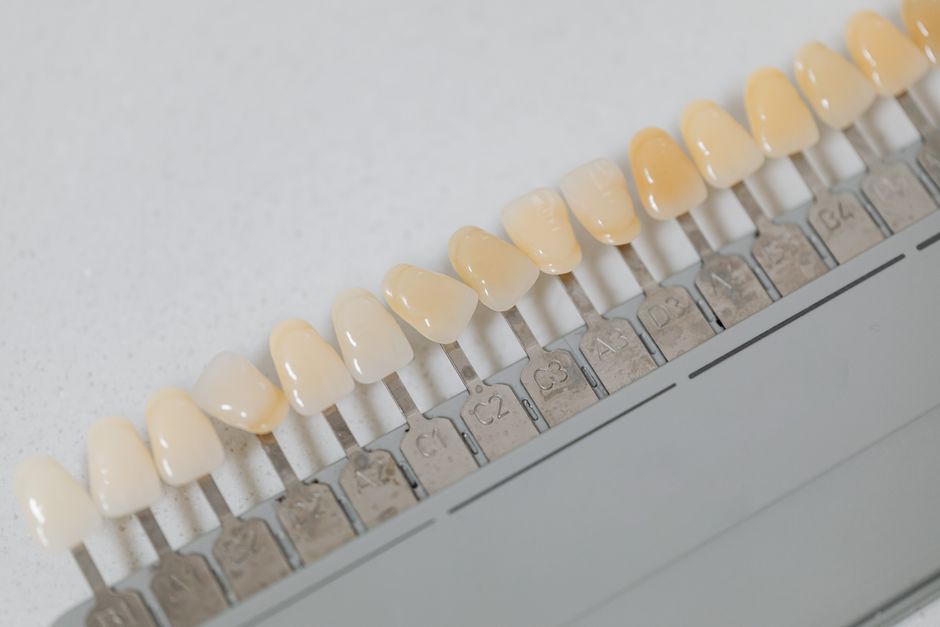
Dentin whitening is not possible with standard whitening products. The dentin layer sits beneath your enamel and can’t be reached by whitening toothpaste, strips, or gels. What you can change is how much dentin shows through — by treating the causes of enamel loss or thinning. That’s a different goal, and it’s the one that actually works.
Most people who search for “dentin whitening” are really looking at yellowed teeth. Yellow teeth aren’t always a dentin problem. Enamel is semi-transparent, and dentin has a natural yellow-brown color. When enamel thins, more of that dentin shows through. That’s why teeth look darker over time.
Understanding the anatomy here matters. It changes what treatment makes sense and what doesn’t.
What Is Dentin and Why Does It Look Yellow?
Dentin is the layer of tooth structure just below the enamel. It makes up most of the tooth by volume. It’s yellowish-brown by nature — that’s its normal color, not a sign of damage.
Enamel is the hard outer shell. It’s translucent. Light passes through it and reflects off the dentin underneath. So the color you see when you look at your teeth is really a blend of enamel thickness and dentin color.
Three things affect how yellow teeth appear:
- How thick the enamel is
- How much the enamel has worn or eroded
- The natural color of the dentin beneath
You can’t change the color of dentin itself. No whitening agent reaches it through intact enamel. What you can do is protect or rebuild the enamel layer so less dentin shows through.
One thing most people don’t realize: dentin is not just a solid layer. It’s made of microscopic tubes called dentinal tubules. These tubules run from the outer edge of the dentin to the pulp at the center of the tooth. When enamel wears away, those tubules become exposed. That’s what causes sensitivity to cold and hot. It’s also why exposed dentin looks darker — the tubules scatter light differently than intact enamel.
Can Whitening Products Actually Reach the Dentin?
No. Whitening products work on the surface of the enamel. They use peroxide-based ingredients to break down stains that sit on or just below the enamel surface.
Here’s the problem. The dentin is protected by the enamel. Whitening agents don’t penetrate through intact enamel in any meaningful way. So they can’t lighten the dentin itself.
What peroxide can do is remove extrinsic stains — the kind from coffee, tea, wine, and tobacco. Those stains sit on the outside. Removing them makes teeth look brighter. But if the yellow comes from dentin showing through thin enamel, whitening won’t fix that.
And there’s a catch. If your enamel is already thin or worn, whitening products can make things worse. They can increase sensitivity and potentially cause more enamel loss over time. Some evidence suggests that overusing whitening products may damage enamel. The evidence here is not definitive, but it’s a real concern clinicians raise.
So when someone tells you they whitened their dentin, what likely happened is they removed surface stains and their enamel looked brighter. The dentin didn’t change.
Why Does Enamel Wear Down and Expose Dentin?
Enamel loss happens for several reasons. Some are within your control. Others aren’t.
Acid erosion is one of the biggest causes. Acids from food and drinks — citrus, soda, sports drinks, wine — soften and dissolve enamel over time. Stomach acid from reflux or frequent vomiting does the same thing. This isn’t a small effect. Repeated acid exposure is a well-documented cause of enamel loss.
Mechanical wear comes from grinding your teeth, brushing too hard, or using a hard-bristled toothbrush. Over years, this physically wears down the enamel.
Abrasion from toothpaste itself matters too. Some whitening toothpastes contain abrasive particles that can wear enamel over time, especially with aggressive brushing.
Age plays a role. Enamel naturally thins with age. Dentin also changes over time, becoming more opaque and darker.
Genetics affect enamel thickness and dentin color from birth. Some people simply have thinner enamel or darker dentin naturally.
Certain medications and health conditions can also affect tooth color and enamel development. Tetracycline antibiotics taken during tooth development, for example, can cause intrinsic staining that’s different from normal dentin show-through. This type of staining doesn’t respond to whitening the same way.





What Treatment Options Actually Exist?
Treatment depends on what’s causing the yellow appearance. There’s no single fix, and no treatment whitens dentin directly.
For surface stains: Professional whitening by a dentist or dentist-supervised at-home whitening can remove extrinsic stains and lighten the enamel. This works well when the yellow is from surface stains, not from dentin show-through.
For thin enamel: The goal shifts to protecting what enamel remains and reducing further loss. This means:
- Using a soft-bristled toothbrush and gentle technique
- Limiting acidic foods and drinks, or rinsing with water after consuming them
- Waiting at least 30 minutes after acidic food or drink before brushing
- Using fluoride toothpaste to support enamel remineralization
- Treating acid reflux if that’s a contributing factor
Fluoride can help remineralize enamel to some degree. It doesn’t rebuild enamel that’s already gone, but it can strengthen what’s there and slow further loss. This is well established.
For significant enamel loss: Dental bonding, veneers, or crowns can cover the exposed dentin and change the appearance of the teeth. These are restorative treatments, not whitening. They work by adding a layer of tooth-colored material over the tooth surface. This is often the most effective option when enamel loss is substantial.
For intrinsic staining: Staining that’s inside the tooth — from medications, trauma, or other causes — may require internal bleaching. This is a procedure where a dentist places whitening agent inside the tooth. It’s a clinical procedure, not something you do at home. It’s typically used for teeth that have had root canal treatment.
Does Whitening Toothpaste Help With Dentin Show-Through?
No. Whitening toothpaste removes surface stains. It doesn’t change dentin color or restore enamel thickness.
Some whitening toothpastes contain mild abrasives that polish the enamel surface. Others contain low concentrations of peroxide. Neither reaches the dentin.
There’s also a risk. Abrasive toothpastes can wear enamel over time, especially with aggressive brushing. If your enamel is already thin, this could make the yellow appearance worse, not better.
If you’re dealing with dentin show-through, a gentle fluoride toothpaste is a better choice than an abrasive whitening one. It supports enamel health without adding wear.
Can You Prevent Dentin From Showing Through?
You can slow it down. You can’t reverse enamel loss that’s already happened.
Prevention focuses on reducing the things that wear enamel away:
- Limit acidic drinks and foods. When you do have them, rinse with water afterward.
- Don’t brush immediately after acidic exposure. Wait at least 30 minutes. Brushing right away can push softened enamel around and cause more loss.
- Use a soft-bristled brush and light pressure. Hard brushing doesn’t clean better — it just wears enamel faster.
- Address teeth grinding with a night guard if your dentist recommends one.
- Treat acid reflux. Stomach acid reaching the mouth regularly is a significant cause of enamel erosion.
- Keep up with dental checkups. Your dentist can spot enamel loss early and recommend steps before it becomes a bigger problem.
None of these will whiten dentin. But they can help preserve the enamel that’s covering it, which keeps teeth looking lighter.
What About Professional Treatments — Do They Work?
Professional whitening works for what it’s designed to do: remove stains and lighten enamel. It doesn’t whiten dentin.
If your teeth look yellow because of surface stains, professional whitening can help. If they look yellow because enamel has worn thin and dentin is showing through, whitening won’t fix the underlying issue. In some cases, it might even make the contrast more noticeable, because whiter enamel over yellow dentin can look uneven.
Restorative options — bonding, veneers, crowns — are the treatments that address dentin show-through directly. They cover the tooth surface with a material that doesn’t have the same yellow color. These are not whitening treatments. They’re cosmetic or restorative dental procedures.
Some clinicians also use a technique called enamel microabrasion for certain types of superficial discoloration. This involves removing a very thin layer of enamel with a mild acid and abrasive compound. It’s not appropriate for significant enamel loss, and it’s not a dentin whitening treatment. It’s a procedure for specific cases of surface discoloration.
The key point: no treatment whitens dentin. Treatment either removes surface stains, protects remaining enamel, or covers the tooth with a restorative material.
Frequently Asked Questions
Can you whiten dentin directly?
No. Dentin sits beneath the enamel and whitening agents don’t penetrate intact enamel to reach it. No product or procedure currently available can change the color of dentin itself.
Why do my teeth look yellow if it’s not dentin?
Yellow teeth can come from surface stains on the enamel or from thin enamel that lets more dentin show through. A dentist can tell you which is happening.
Does whitening toothpaste damage enamel?
Some whitening toothpastes contain abrasives that can wear enamel over time, especially with hard brushing. The evidence on how much damage occurs is not fully settled, but gentle brushing with a soft brush reduces the risk.
What actually works for yellow teeth from thin enamel?
Protecting the remaining enamel and reducing further loss is the main approach. For significant enamel loss, dental bonding or veneers can cover the exposed dentin and change the appearance of the teeth.
