
If you are mid-recipe and out of heavy cream, whipping cream is the closest substitute you will find in the grocery store. The short answer is yes, you can use whipping cream instead of heavy cream in most cooked and baked dishes, but you need to know the fat difference before you swap them one-for-one. Because whipping cream contains less milk fat than heavy cream, the swap works beautifully for some recipes and fails noticeably in others like stiff whipped peaks or rich custards.
What Is the Actual Difference Between Whipping Cream and Heavy Cream?
The difference comes down to butterfat content, which is regulated by the FDA. Heavy cream, also labeled heavy whipping cream, must contain at least 36% milk fat. Whipping cream contains between 30% and 35% milk fat. That 1 to 6 percent difference changes how the creams behave when heated, whipped, or folded into sauces.
Both creams are the fat-rich layer skimmed from fresh milk before homogenization. Neither contains stabilizers unless the label lists them. The only legal distinction between the two names is that fat percentage. In many stores, you will see “heavy whipping cream” on the label, which is the same product as heavy cream. True whipping cream is sometimes labeled simply “whipping cream” and sits in a lighter carton.
This matters because fat is what gives cream its body. More fat means thicker texture, better whipping stability, and richer flavor. Less fat means a slightly thinner product that whips up softer and breaks more easily when heated.
Can You Use Whipping Cream Instead Of Heavy Cream in Cooking?
For savory cooking, the swap is nearly invisible. If you are making a pan sauce, soup, or creamy pasta, whipping cream performs almost identically to heavy cream. The slight reduction in fat means your sauce may be marginally thinner, but most people cannot detect the difference once the dish is finished.
The one cooking situation where you should be careful is boiling. Cream with lower fat content is more prone to curdling or separating when exposed to high heat or acidic ingredients like tomatoes or wine. Whipping cream at 30% fat can handle simmering, but avoid a hard rolling boil. Stir acidic ingredients into the sauce gradually and keep the heat moderate to prevent the proteins from seizing.
For soups and chowders, whipping cream works perfectly. For cream-based pasta sauces, it works perfectly. For reductions where you cook the cream down to a thick syrup, heavy cream will reduce more reliably because the higher fat content resists breaking under sustained heat. If you only have whipping cream and need a thick reduction, add a teaspoon of butter per cup of cream to compensate.
Will Whipping Cream Whip Like Heavy Cream?
Both creams whip, but the results are not identical. Heavy cream whips to stiff, stable peaks that hold their shape for hours. Whipping cream whips to soft peaks quickly but struggles to reach the same stiffness. If you push whipping cream too far, it can turn grainy or break into butter faster than heavy cream because the lower fat content makes the emulsion less stable.
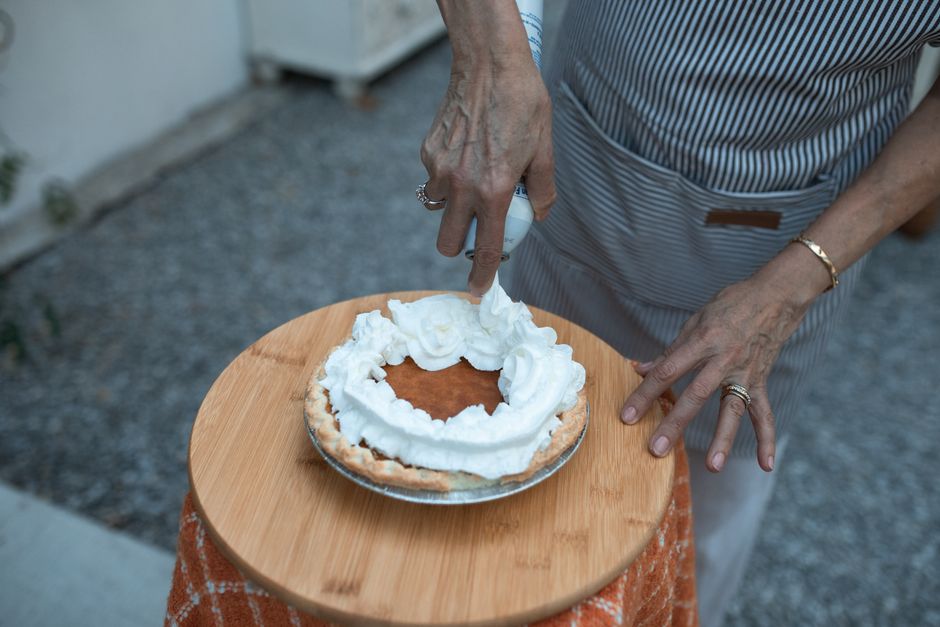
For whipped cream served immediately on dessert, whipping cream is completely acceptable. The texture will be lighter and slightly less luxurious, but it tastes great. For piped decorations that need to hold their shape at room temperature, or for a stabilized whipped cream that must sit for hours, heavy cream is the safer choice.
If you must use whipping cream for piping, chill the bowl and beaters thoroughly before starting. Add a tablespoon of powdered sugar per cup of cream to help stabilize the foam. Do not add more sugar than the recipe calls for because sugar interferes with whipping. Whip only until soft peaks form and stop immediately.




Does Whipping Cream Work in Baking and Desserts?
Baking is where the fat difference becomes meaningful. Cakes, scones, and biscuits rely on cream for both moisture and fat content. Using whipping cream instead of heavy cream will produce a slightly drier, less tender crumb because there is less fat to coat the flour proteins. The difference is subtle in moist cakes but noticeable in shortbread or cream biscuits.
Custards, ice creams, and panna cotta are more sensitive. These desserts depend on fat for richness and for the smooth mouthfeel that defines them. Whipping cream produces a thinner custard that sets softer. Ice cream made with whipping cream will have a slightly icier texture and melt faster because lower fat content means more ice crystals form during freezing.
For ganache, the swap is risky. Ganache needs enough fat to emulsify the chocolate properly. Whipping cream can make a ganache that separates or turns greasy, especially with dark chocolate that contains more cocoa butter. If you are making ganache, use heavy cream or add butter to the whipping cream to raise the effective fat content.
What Is the Best Substitute for Heavy Cream If You Have Neither?
If your store is out of both creams, or you need a dairy-free option, you have several reliable alternatives depending on the recipe. For cooking, whole milk combined with butter works well. Melt one-third cup of butter and whisk it into three-quarters cup of whole milk to approximate the fat content of one cup of heavy cream. This mixture works for sauces and soups but will not whip.
For baking, full-fat coconut cream is a strong substitute in many recipes. It has a similar fat content to whipping cream and behaves comparably when whipped, though it carries a coconut flavor. For savory dishes, that flavor disappears. For desserts, it pairs well with chocolate and tropical flavors but clashes with vanilla or berry desserts.
Canned evaporated milk is another option for cooking, though it is thinner and slightly caramel-flavored. It cannot be whipped successfully. Cream cheese thinned with milk works for some frostings and dips but changes the flavor profile noticeably.
How to Make Whipping Cream Act More Like Heavy Cream
If whipping cream is all you have, you can boost its fat content at home. For every cup of whipping cream, whisk in one to two tablespoons of melted unsalted butter until fully incorporated. This raises the fat percentage into the heavy cream range. Use this mixture immediately in cooking or baking. Do not try to whip this fortified cream because the added butterfat can cause it to break.
This trick works best for sauces, custards, and ganache. It is less reliable for whipping because the added butter changes how the foam forms. If you need whipped cream, start with plain whipping cream and accept the softer peaks rather than trying to fortify it.
Another approach is to reduce the whipping cream gently on the stove to evaporate water and concentrate the fat. Simmer one cup of whipping cream until it reduces to three-quarters cup. This thickens the cream and raises its fat percentage, but it also cooks the cream slightly, which changes the flavor. Use reduced cream only in cooked dishes, never for whipping.
Frequently Asked Questions
Can I use whipping cream instead of heavy cream in pasta?
Yes, whipping cream works well in pasta sauces and will produce a nearly identical result. Keep the heat moderate and avoid boiling the sauce hard to prevent curdling.
Can I whip whipping cream to stiff peaks?
Whipping cream reaches soft peaks easily but struggles to reach stiff peaks that hold their shape. Chill everything thoroughly and stop whipping the moment soft peaks form for the best result.
Is heavy cream the same as heavy whipping cream?
Yes, heavy cream and heavy whipping cream are the same product and both contain at least 36% milk fat. Whipping cream without the word “heavy” contains 30% to 35% milk fat.
Can I substitute whipping cream for heavy cream in ice cream?
You can, but the ice cream will be slightly less rich and may develop more ice crystals. Adding an extra egg yolk or a tablespoon of corn syrup can help improve the texture.
