
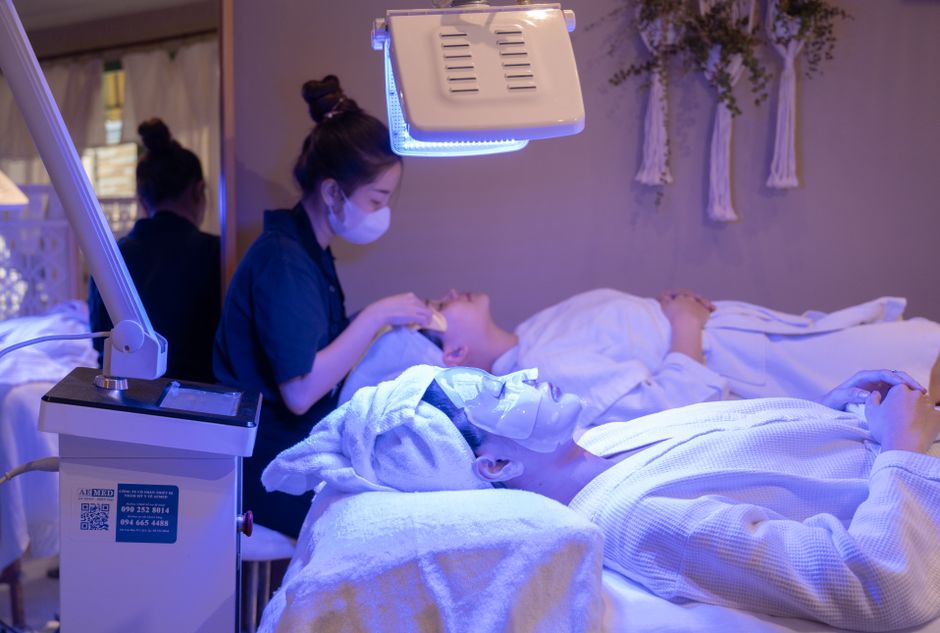
Yes, you can use red and blue light therapy together. The two wavelengths do different jobs in the skin, and combining them in one session is common in dermatology clinics and in at-home devices. Blue light targets acne-causing bacteria near the surface. Red light penetrates deeper and affects skin cells in ways that may support healing and reduce inflammation. The main caution is tolerability: using both at once can irritate sensitive skin, so the intensity and timing matter.
What follows is what the research actually supports, where the evidence is thin, and how to think about combining them without overpaying for marketing claims.
What Do Red and Blue Light Actually Do to Skin?
Red and blue light are non-ionizing light, meaning they do not damage DNA the way ultraviolet radiation does. They work through a process called photobiomodulation, where light energy is absorbed by molecules in cells and triggers a biological response.
Blue light sits in the 400 to 470 nanometer range. It is absorbed by porphyrins, natural compounds produced by the bacterium Cutibacterium acnes that lives in hair follicles. When porphyrins absorb blue light, they generate reactive molecules that damage and kill the bacteria. Blue light also has some effect on oil gland activity and skin inflammation. Because blue light is short wavelength, it does not penetrate far—mostly into the upper layers of skin.
Red light sits in roughly the 630 to 660 nanometer range. It reaches deeper into the dermis. There it is absorbed by cytochrome c oxidase in mitochondria, which is thought to increase cellular energy production. The downstream effects studied in skin include reduced inflammation and signaling that may encourage collagen production. These effects are real in laboratory and animal models, and there is human evidence too, but the size of the benefit in ordinary use is smaller and less consistent than marketing suggests.
One clarification worth knowing: red and blue light are not opposites that cancel each other out. They act on different targets and different depths. That is the biological reason combining them makes sense in principle.
Can You Use Red And Blue Light Therapy Together in One Session?
Yes, and it is already done routinely. Many professional light panels and masks include both red and blue LEDs, and some devices let you run them at the same time. Others alternate—blue for a set period, then red.
The evidence for combination treatment specifically is smaller than the evidence for each wavelength alone. Most clinical studies have tested blue light for acne or red light for skin rejuvenation and wound healing as single treatments. Combination devices are widely sold, but large head-to-head trials comparing combined light against each wavelength alone are limited.
That does not mean combining them is unproven or unwise. It means the honest position is this: each wavelength has its own evidence base, the mechanisms do not conflict, and combining them is a reasonable approach that many clinicians use. What you should not expect is a guarantee that two wavelengths double the results.
Which Skin Concerns Does Each Wavelength Target?
Blue light is studied mainly for inflammatory acne. Red light is studied for a broader range of concerns, including skin healing, inflammation, and signs of aging.
- Blue light: mild to moderate inflammatory acne, reduction of C. acnes bacteria, some effect on oiliness
- Red light: wound healing, inflammation, fine lines and skin texture, some evidence in hair growth and pain
If your main concern is active breakouts, blue light is the workhorse. If your concern is redness, healing, or skin texture, red light is more relevant. If you have both, a combined approach addresses both at once—though each concern may respond at a different pace.
Is Combining Red and Blue Light Safe?
For most people, red and blue light therapy is well tolerated. The most common side effects are temporary redness and mild dryness. Blue light in particular can cause irritation in some people, especially at higher intensities or longer sessions.
There are real cautions. People taking medications that cause photosensitivity—some antibiotics, isotretinoin, certain diuretics, and some herbal supplements—should check with a clinician before using light therapy. People with a history of skin cancer, lupus, or other light-sensitive conditions should get medical advice first. And anyone using a home device should follow the manufacturer’s instructions rather than extending sessions to try to speed results.
One point that gets lost: the eyes. Bright light panels and masks can be uncomfortable, and while red and blue light are not the same hazard as UV, eye protection during sessions is sensible. Many devices include goggles for this reason.
How Long Does It Take to See Results?
Light therapy is not fast. For acne, clinical studies typically report improvement over several weeks of regular use, often assessed around the four to twelve week mark. For skin texture and fine lines with red light, changes generally take longer—often several months of consistent use.
That timeline is a general pattern from clinical research, not a promise for any individual. Results vary with skin type, the condition being treated, device power, and how consistently the device is used. Home devices generally deliver lower energy than professional equipment, which usually means slower results.
Consistency matters more than intensity. A device used regularly at the recommended setting is likely to outperform occasional high-power sessions, and pushing past recommended settings raises irritation risk without a clear payoff.
What Should You Look For in a Combined Device?
If you are considering a home device with both wavelengths, a few practical factors matter more than marketing language.
- Wavelength specifications: look for stated wavelengths—blue near 415 nm and red near 630 to 660 nm are typical
- Clear instructions: session length and frequency should be specified, not left vague
- Eye protection: goggles or shields should be included or recommended
- Realistic claims: be wary of devices promising dramatic results or “medical-grade” outcomes without evidence
No home light device is a substitute for treatment of moderate to severe acne, which often benefits from prescription therapies. Light therapy can be an add-on, but it is not a replacement for medical care when acne is inflamed, cystic, or scarring.
If you are unsure whether light therapy fits your skin, a dermatologist can help you weigh it against other options. That is especially true if you are pregnant, breastfeeding, or using prescription skin treatments—evidence for light therapy in those situations is limited, and guidance should come from a clinician.
Frequently Asked Questions
Can you use red and blue light therapy at the same time?
Yes. Many devices run both wavelengths together, and clinics commonly combine them. Using them in the same session is generally well tolerated, though sensitive skin may need lower intensity or alternating sessions.
Does blue light cancel out red light?
No. They act on different targets and different depths in the skin, so they do not cancel each other. Any interaction between them is not well studied, but there is no evidence they work against each other.
How often should you use red and blue light therapy?
Follow the device instructions, which typically specify a set number of sessions per week. Clinical studies generally use regular sessions over several weeks, and consistency matters more than increasing frequency beyond recommendations.
Is red and blue light therapy safe for all skin types?
It is generally well tolerated across skin types, but people with photosensitive conditions or medications that increase light sensitivity should check with a clinician first. Blue light can cause irritation in some people, especially at higher intensities.
