
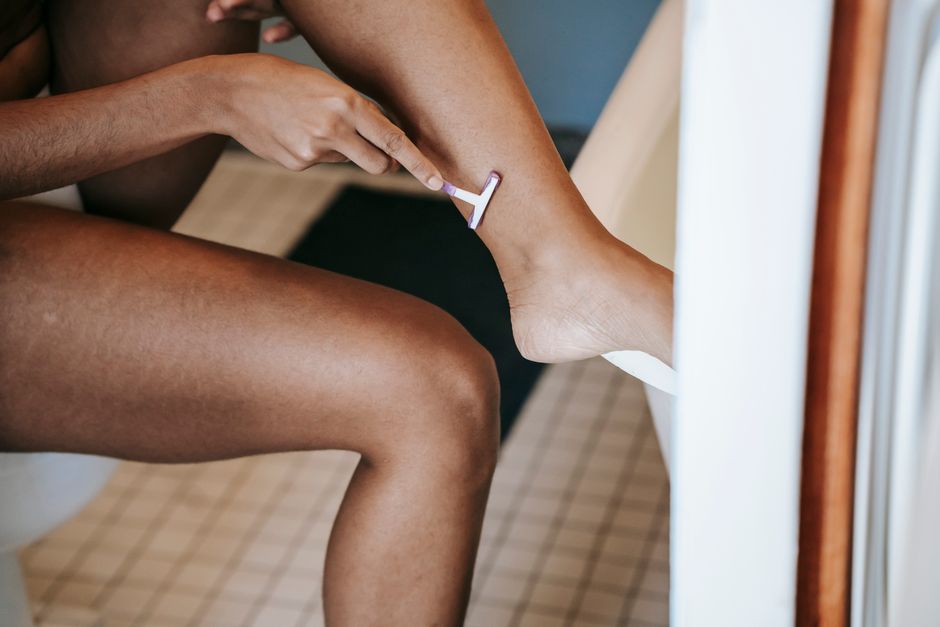
Using hair removal cream on your pubic area is a question many people search for but rarely ask out loud. The short answer is yes, you can use a product like Nair on pubic hair, but it comes with real risks and strict rules. These products use chemicals to break down the protein structure of the hair, and the skin in your bikini area is more sensitive than the skin on your legs or arms. You need to know exactly how these products work, what the label actually says, and what to do if something goes wrong before you ever open the bottle.
How Do Hair Removal Creams Actually Work?
Hair removal creams are chemical depilatories. They contain active ingredients like calcium thioglycolate or potassium thioglycolate. These chemicals break the disulfide bonds in keratin, which is the protein that makes up your hair. Once those bonds break, the hair softens to a jelly-like consistency and can be wiped or scraped away from the skin surface.
The same chemical process does not discriminate between the hair on your calf and the hair on your bikini line. The issue is the skin underneath. The skin in the pubic region is thinner and has more nerve endings than the skin on your legs. It also tends to trap moisture and heat, which can increase how quickly the product penetrates the skin. This means the chemical that is breaking down your hair is also working on the top layer of your skin, and it can cause chemical burns if left on too long or used on broken or irritated skin.
What Does The Label Actually Say About Pubic Use?
Nair is a brand name, and the company makes several different formulas. Some are specifically marketed for the bikini area. These “bikini cream” formulas are generally gentler and have a lower concentration of the active chemical. The standard formulas for legs and body are stronger and should not be used on the pubic region.
Read the package insert before you do anything. The instructions for bikini-specific products typically tell you to apply the cream only to the hair that would be visible outside a swimsuit. They explicitly tell you not to use the product on the inner labia, inside the rectum, or on any mucous membrane. These areas absorb chemicals rapidly and are highly prone to burns. If the label does not specifically say “bikini line” or “pubic area,” do not use that formula down there.
What Are The Real Risks Of Using Nair On Pubic Hair?
The most common risk is a chemical burn. This happens when the product is left on too long, when too much is applied, or when the skin is already sensitive. A mild burn may look like redness and a stinging sensation that lasts a few hours. A more serious burn can cause blistering, peeling skin, and raw patches that take days to heal.
Infections are a second risk. The chemical can create micro-tears in the skin that you cannot see. Bacteria naturally live on the skin in this area, and those tiny breaks give them a way in. Folliculitis, which is an inflammation or infection of the hair follicle, is a common result. It looks like small red bumps or pus-filled pimples and can be itchy or painful.
Allergic contact dermatitis is another possibility. The fragrances and preservatives in these creams can trigger an allergic reaction. This is different from a burn. It usually shows up as a red, itchy rash that may spread beyond where you applied the product. If you have sensitive skin or a history of reactions to cosmetic products, your risk is higher.



How To Use It Safely If You Decide To Try It
Do a patch test first. Apply a small amount of the product to a small area of your bikini line 24 hours before you plan to do the full application. If you see any redness, swelling, or itching during that time, do not use it on a larger area.
When you do apply it, follow these rules strictly:
- Use only a formula labeled for the bikini area.
- Make sure the skin is clean and completely dry.
- Apply a thick, even layer that covers the hair but not the surrounding skin more than necessary.
- Never rub the product in. Leave it sitting on top of the hair.
- Set a timer for the minimum time listed on the package, not the maximum.
- Remove it with a damp cloth or the spatula provided, using gentle wiping motions.
- Rinse the area with cool water immediately after removal.
Do not use deodorant, scented lotion, or any other product on the area for at least 24 hours afterward. The skin barrier is compromised, and additional chemicals can cause irritation. Avoid tight clothing and exercise for the rest of the day to reduce friction and sweating.
When Should You Never Use A Hair Removal Cream?
There are situations where using this type of product is not worth the risk. Do not use it if you have any cuts, razor burn, sunburn, or active breakouts in the area. The chemical will penetrate these broken areas much faster and cause significant pain and damage.
Do not use it if you have a history of allergic reactions to depilatory creams. Do not use it on moles, warts, or any raised skin lesions. The chemical can erode these structures and cause bleeding or changes that require medical attention.
Do not use it during pregnancy without asking your obstetrician first. Hormonal changes can make your skin more reactive, and the evidence on the safety of these chemicals during pregnancy is limited. No clinical guidelines currently exist for this specific population and product combination.
If you have diabetes, circulation problems, or any condition that slows wound healing, avoid this method entirely. A minor burn that would heal in a few days for a healthy person can become a serious infection for you.
What To Do If You Get A Burn Or A Bad Reaction
If you feel burning or stinging during the application, remove the product immediately. Do not wait for the full time on the timer. Rinse the area with cool water for several minutes to stop the chemical reaction. Do not use hot water, soap, or a washcloth, as these can spread the chemical or increase irritation.
For mild redness and stinging, apply a cool compress and leave the area alone. Over-the-counter hydrocortisone cream can help with itching, but do not use it on broken skin. If you see blisters, raw skin, or if the pain is severe, seek medical care. A doctor may prescribe a prescription-strength burn cream or an antibiotic if there are signs of infection.
Watch for signs of infection over the next few days. Redness that spreads, warmth, pus, or increasing pain are all warning signs. These symptoms require a medical evaluation. Do not pop blisters or pick at peeling skin. Keep the area clean and dry while it heals.
What Are The Safer Alternatives For Pubic Hair Removal?
If the risks of chemical depilatories make you uncomfortable, you have other options. Shaving is the most common alternative. It does not use chemicals, so the risk of a burn is essentially zero. The downsides are razor burn, ingrown hairs, and the fact that hair grows back within a day or two. Use a sharp razor, shaving cream designed for sensitive skin, and shave in the direction of hair growth to minimize irritation.
Waxing removes hair from the root, so results last longer, typically three to six weeks. It is painful, and it can cause ingrown hairs and skin irritation. If you wax at home, follow the instructions carefully and never wax the same area twice in one session. Professional waxing is generally safer because the esthetician can see the skin and adjust technique.
Laser hair removal and electrolysis are longer-term solutions. Laser treatments use light energy to damage the hair follicle, which slows or stops regrowth. Electrolysis uses a tiny electric current to destroy the follicle permanently. Both require multiple sessions and can be expensive. They work best on people with light skin and dark hair, though newer lasers have expanded the range of skin tones that can be treated safely. These procedures should always be done by a licensed professional.
Frequently Asked Questions
Can you use Nair on your pubic area?
Yes, but only if you use a formula specifically labeled for the bikini area and follow the instructions exactly. Standard leg and body formulas are too strong for this sensitive skin.
How long should you leave Nair on your pubic area?
Leave it on only for the minimum time listed on the package, usually around three to four minutes. Never exceed the maximum time stated on the label, and remove it immediately if you feel burning.
What happens if you leave Nair on too long?
You risk a chemical burn that can cause redness, blistering, and peeling skin. Severe burns may require medical treatment and can leave the area vulnerable to infection.
Is Nair safe for the inner labia or inside the vagina?
No. Never apply any hair removal cream to the inner labia, inside the vagina, or around the anus. These mucous membranes absorb chemicals rapidly and are highly prone to burns and serious injury.
