
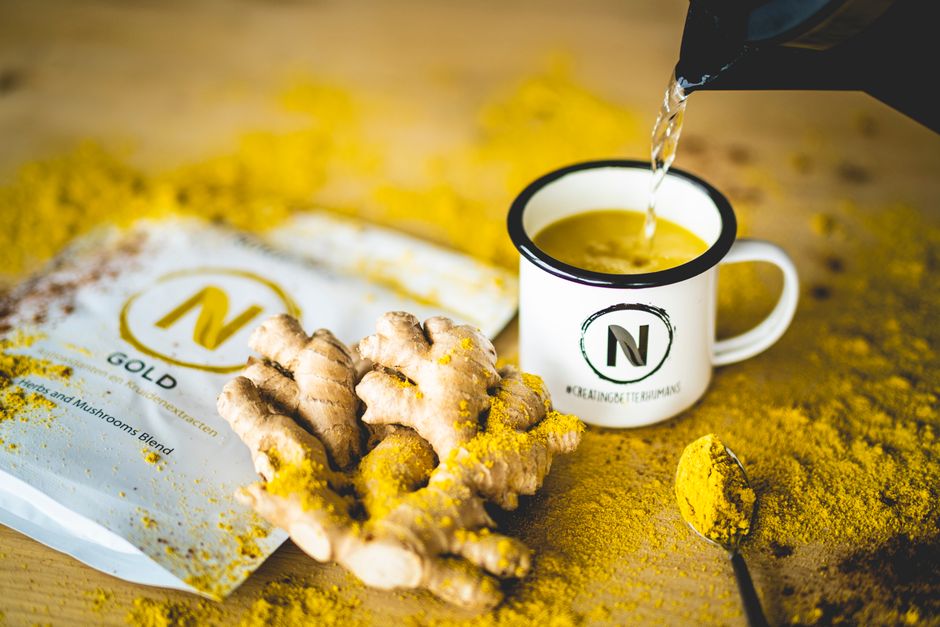
Yes, you can use ginger powder for tea. Stir about a quarter to a half teaspoon of ground ginger into hot water, let it steep for a few minutes, and drink it warm. It is a simple, inexpensive way to make ginger tea when you do not have fresh root on hand, though the flavor and texture differ from the fresh version.
Ginger has a long history as a home remedy, and some of its uses are backed by real clinical research. Others are not. This guide explains how to make ginger powder tea, what the evidence actually supports, and where to be careful.
Can You Use Ginger Powder For Tea Yes Heres How
Ground ginger works in tea because it is simply dried, powdered ginger root. The flavor compounds and active plant chemicals survive the drying process, so you get much of the same pungency and warmth you would from fresh ginger.
The main difference is texture. Powder does not dissolve. It floats and settles, leaving a cloudy drink with grit at the bottom of the cup. Some people strain it; others stir it and drink it as is.
Here is a basic method:
- Bring about one cup of water to a near boil.
- Add a quarter to a half teaspoon of ground ginger. Start small, since powder is more concentrated by volume than chopped fresh root.
- Cover and steep for 5 to 10 minutes.
- Strain through a fine mesh sieve if you want a clearer drink.
- Add honey or lemon if you like. Let it cool slightly before drinking.
You can also whisk the powder into a paste with a little water first. This helps it blend instead of clumping on the surface.
How Much Ginger Powder Should You Use Per Cup?
A quarter to a half teaspoon per cup is a reasonable starting point, and it is the amount most people find palatable. Powder is potent by volume, so a little goes a long way.
There is no official standard for making ginger tea from powder. The guidance here is practical rather than regulatory. If you find the taste too sharp, use less. If you want it stronger, add more gradually.
One thing worth knowing: the amount of ginger in a homemade cup of tea is not the same as the doses used in clinical studies. Research on ginger for nausea and other conditions typically uses standardized capsules or measured extracts, not brewed tea. So do not assume a strong cup of tea delivers the same effect as a studied dose.
What Does the Evidence Say About Ginger Tea and Health?
Ginger has been studied more than most herbal remedies, and the results are genuinely mixed depending on what you are asking about. The strongest evidence is for nausea.
Some studies suggest ginger may help with nausea during pregnancy and nausea after surgery. Research in these areas is fairly consistent, though not every trial agrees. For motion sickness and general stomach upset, the evidence is weaker and results vary.
For other popular claims, the picture is much less clear. Ginger is often marketed for inflammation, colds, and digestion. Some early research points toward anti-inflammatory effects, but no large human trials confirm that drinking ginger tea treats any specific condition. The evidence here is limited.
It is also important to separate ginger the plant from ginger tea the drink. Most studies use concentrated extracts or capsules. A cup of tea contains a smaller and more variable amount. Biological plausibility is not the same as proven benefit.
What ginger tea reliably does is provide a warm, pleasant drink and hydration. That is a real benefit, even if it is a modest one.
Ginger Powder vs Fresh Ginger for Tea
Both work. The choice comes down to convenience, flavor, and texture.
| Factor | Ginger Powder | Fresh Ginger |
|---|---|---|
| Convenience | High. Long shelf life, no prep. | Requires peeling and slicing. |
| Flavor | Sharper, more concentrated, slightly earthy. | Brighter, more aromatic, fresher taste. |
| Texture | Cloudy, gritty unless strained. | Clear, clean liquid. |
| Storage | Months in a sealed jar. | Weeks refrigerated; spoils faster. |
Fresh ginger gives a cleaner, more fragrant cup. Powder is faster and lasts far longer in the pantry. For everyday use, many people keep both on hand and reach for powder when time is short.
Are There Risks or Side Effects?
Ginger tea is generally well tolerated by most people when consumed in normal food amounts. That said, ginger is not completely inert, and a few cautions are worth knowing.
Some people experience heartburn, mild stomach discomfort, or a burning sensation after drinking ginger tea, especially on an empty stomach. If that happens, drink it with food or use less powder.
Ginger may interact with blood-thinning medications such as warfarin. Some research indicates ginger can affect platelet function, though the clinical significance at tea-level amounts is not well established. If you take a blood thinner or have a bleeding disorder, talk to your doctor or pharmacist before making ginger tea a daily habit.
Ginger may also affect blood sugar. People with diabetes who take medication should be aware of this and monitor accordingly.
For pregnancy, ginger is often used for morning sickness, and some clinical guidance supports it for that purpose. Amounts in tea are generally modest, but pregnant women should confirm with their healthcare provider before using ginger regularly, especially in larger or supplemental doses. No clinical guidelines currently exist for a specific safe upper limit of ginger tea during pregnancy.
For children, keep servings small and check with a pediatrician first. No clinical guidelines currently exist for ginger tea dosing in young children.
How Should You Store Ginger Powder?
Keep ground ginger in an airtight container away from heat, light, and moisture. A sealed jar in a cool cupboard works well. Properly stored, it holds its flavor for several months, though it gradually loses potency over time.
If your powder smells flat or dusty rather than sharp and warm, it is past its best. Freshly opened powder gives the strongest cup. Buying in smaller amounts and replacing it more often usually beats stocking a large jar that sits for years.
Can You Make Ginger Powder Tea Ahead of Time?
You can brew a larger batch and refrigerate it for a day or two. Reheat gently before drinking. The flavor fades somewhat with storage, and the powder will settle, so stir or strain again before serving.
For the best taste, brew fresh when you can. The effort is minimal, and the difference in flavor is noticeable.
Frequently Asked Questions
Can you use ginger powder instead of fresh ginger for tea?
Yes, ground ginger works well as a substitute. Use about a quarter to a half teaspoon per cup, since powder is more concentrated by volume than fresh root.
How much ginger powder should I put in tea?
Start with a quarter to a half teaspoon per cup of hot water. Adjust to taste, and strain if you prefer a clearer drink.
Is drinking ginger powder tea safe every day?
For most healthy adults, a cup or two a day is generally well tolerated. If you take blood thinners, have diabetes, are pregnant, or have a bleeding disorder, check with your doctor first.
Does ginger powder dissolve in hot water?
No, ground ginger does not fully dissolve. It suspends in the water and settles over time, so stir before drinking or strain it through a fine sieve.
