
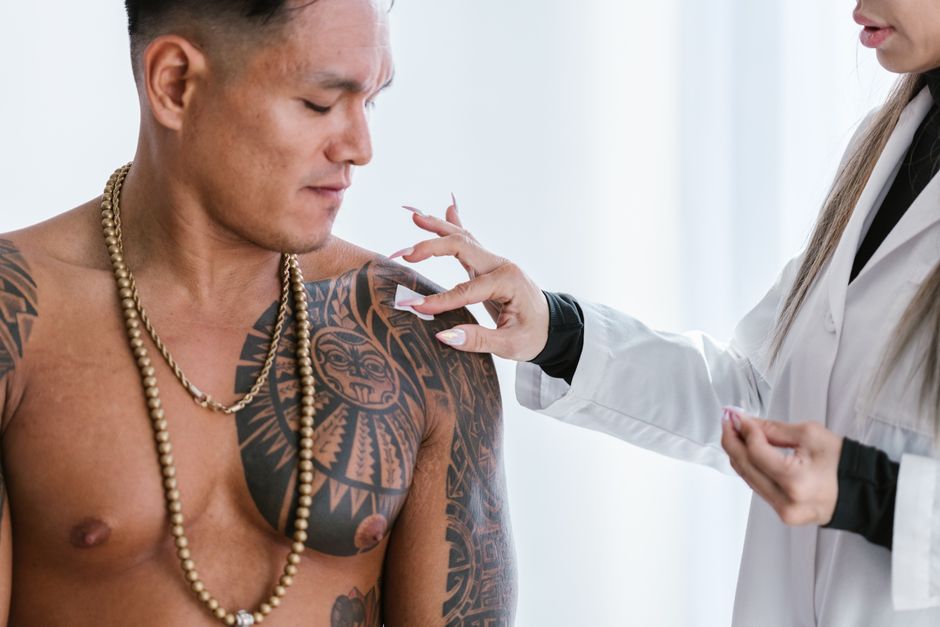
Getting a new tattoo is exciting, but the aftercare can feel confusing. You want the design to heal well, and the internet is full of conflicting advice about what to put on it. One of the most common questions is whether a basic product like Aquaphor is a good choice for a fresh tattoo. The short answer is yes, Aquaphor is widely recommended by tattoo artists for the first few days of healing, but it is not the right product for the entire process. It works best as an initial occlusive barrier to lock in moisture, and you should switch to a lighter, unscented lotion after a few days to avoid clogging pores and suffocating the skin.
What Does Aquaphor Actually Do for a Healing Tattoo?
Aquaphor is a semi-occlusive ointment. That means it sits on top of the skin and forms a physical barrier. This barrier serves two main purposes in the first days after getting inked. First, it traps moisture inside the skin, which is critical because a healing tattoo is essentially an open wound. Second, it blocks out external bacteria and irritants that could cause an infection.
During the first 24 to 72 hours, your tattoo is leaking plasma and excess ink. This is a normal part of the body’s inflammatory response. Keeping this area covered with a thin layer of Aquaphor prevents the wound from drying out and forming a thick, hard scab. Thick scabs can pull the ink out of the skin as they peel, leading to patchy or faded lines.
The primary ingredient in Aquaphor is petrolatum, which is the same active ingredient found in Vaseline. However, Aquaphor contains additional ingredients like mineral oil, ceresin, and lanolin alcohol. These extra components make it slightly less greasy than pure petroleum jelly and a bit more spreadable. It is also fragrance-free, which is essential because added fragrances can irritate broken skin.
How to Apply Aquaphor to a New Tattoo Correctly
Application technique matters more than most people realize. You should never slather a thick coat of Aquaphor on a tattoo. A thick layer prevents oxygen from reaching the skin and can actually cause the skin to become macerated, or overly soft and wet, which increases the risk of infection and delays healing.
Here is the general process that most tattoo artists recommend. After your artist removes the initial bandage, wash the tattoo gently with lukewarm water and a fragrance-free, dye-free antibacterial soap. Use your hands, never a washcloth or sponge, to avoid introducing bacteria. Pat the area dry with a clean paper towel. Do not rub.
Once the skin is completely dry, apply a very small amount of Aquaphor. A pea-sized amount for a medium-sized tattoo is usually enough. Rub it in gently until the tattoo has a slight sheen but you can still see the details clearly. If the tattoo looks greasy or you can see white residue, you have used too much.
You should repeat the washing and moisturizing process two to three times a day. It is important to wash your hands thoroughly before touching the healing tattoo at any point.
When Should You Stop Using Aquaphor?
Aquaphor is not a long-term tattoo moisturizer. It is designed for the very early stages of healing. Most professionals recommend using it for only the first three to five days. After this window, the tattoo begins to peel, and the skin needs to breathe and shed dead cells. Continuing to use a heavy ointment at this stage can clog hair follicles and cause tiny, painful bumps known as folliculitis.
Once the peeling phase starts, you should switch to a lightweight, unscented lotion or a specific tattoo aftercare balm. These products absorb quickly and provide hydration without the heavy, suffocating barrier. Look for lotions that contain simple ingredients like glycerin, shea butter, or ceramides. Avoid lotions with alcohol, which can dry the skin out, and avoid anything with added fragrance or dyes.
You may see some flaking and peeling during days four through ten. This is normal. The skin is shedding the top layer that was damaged during the tattooing process. It is critical not to pick at this peeling skin. Let it fall off naturally. Picking can pull out the pigment and leave permanent blank spots in your tattoo.





Risks and Side Effects of Using Aquaphor on Tattoos
Aquaphor is generally safe and well-tolerated, but it is not for everyone. Some people are allergic to lanolin, which is a derivative of sheep’s wool and one of the ingredients in Aquaphor. If you have a known lanolin allergy, you should avoid this product entirely.
Another risk is over-moisturizing. If you apply Aquaphor too often or in too large a quantity, you can create an environment where bacteria thrive. This can lead to an infection. Signs of an infected tattoo include increasing redness, warmth, swelling, pus, or red streaks radiating from the tattoo site. If you notice any of these symptoms, stop using the ointment and contact a healthcare provider.
There is also a risk of developing small red bumps or whiteheads around the tattoo area. This happens when the heavy ointment blocks the pores. If this occurs, discontinue the Aquaphor immediately and switch to a lighter lotion. The bumps typically resolve on their own within a few days once the occlusive barrier is removed.
Aquaphor vs. Traditional Tattoo Aftercare Products
There is no single “best” aftercare product that works for everyone. The choice often comes down to personal preference and how your skin reacts. Here is a quick comparison of the common options available.
| Product Type | Best Used For | Main Pros | Main Cons |
|---|---|---|---|
| Aquaphor | Days 1-3 (initial healing) | Strong barrier, locks in moisture, widely available | Too heavy for later stages, can clog pores |
| Unscented Lotion | Days 4+ (peeling phase) | Lightweight, absorbs quickly, hydrates | Not enough protection for the open wound stage |
| Specialized Tattoo Balms | Entire healing period | Formulated for tattoos, often contains natural oils | More expensive, variable quality between brands |
| Coconut Oil | Not recommended for fresh tattoos | Natural, smells good | Can be comedogenic, not sterile, inconsistent quality |
Specialized tattoo balms often contain ingredients like beeswax, cocoa butter, and various plant oils. Many of these are perfectly fine to use. Some research suggests that products with panthenol or allantoin may support skin barrier repair, but there is limited high-quality clinical evidence comparing these balms directly to simple petrolatum-based products. The most important factor is that the product is fragrance-free and you are applying it with clean hands.
What About Second Skin or Saniderm Bandages?
Many modern tattoo studios use adhesive bandages like Saniderm or Tegaderm instead of traditional gauze wrapping. These are clear, breathable, waterproof dressings that stay on for several days. If your artist applies one of these, you should not apply any Aquaphor until the bandage is removed.
These bandages work by trapping the body’s own healing fluids against the skin. This keeps the wound moist and creates a sterile environment. Applying ointment over the top of these bandages is useless because the ointment cannot penetrate the adhesive layer. You should follow your artist’s specific instructions regarding when to remove the bandage and when to start washing and moisturizing.
Once the bandage is removed, you can begin the standard wash-and-moisturize routine with Aquaphor if that is what your artist recommends. The transition from a sealed bandage to an open healing wound requires careful attention to cleanliness.
Frequently Asked Questions
Can I use Aquaphor on my tattoo after the first week?
You can, but it is not recommended. After the first week, the tattoo is peeling, and a heavy ointment can clog pores and slow down the natural shedding process.
Is Vaseline better than Aquaphor for tattoos?
Aquaphor is generally preferred because it contains additional skin-conditioning ingredients and spreads more easily than pure Vaseline. Both are petrolatum-based, but Aquaphor is less greasy and slightly more breathable.
How much Aquaphor should I put on a new tattoo?
Use a very thin layer, roughly the size of a pea for a medium tattoo. Rub it in completely until the tattoo has a slight sheen but is not visibly greasy or white.
What happens if I put too much Aquaphor on my tattoo?
Too much Aquaphor can suffocate the skin, trap bacteria, and lead to clogged pores or infection. If you notice bumps, excessive wetness, or increased redness, wash the area and stop using the ointment.
