
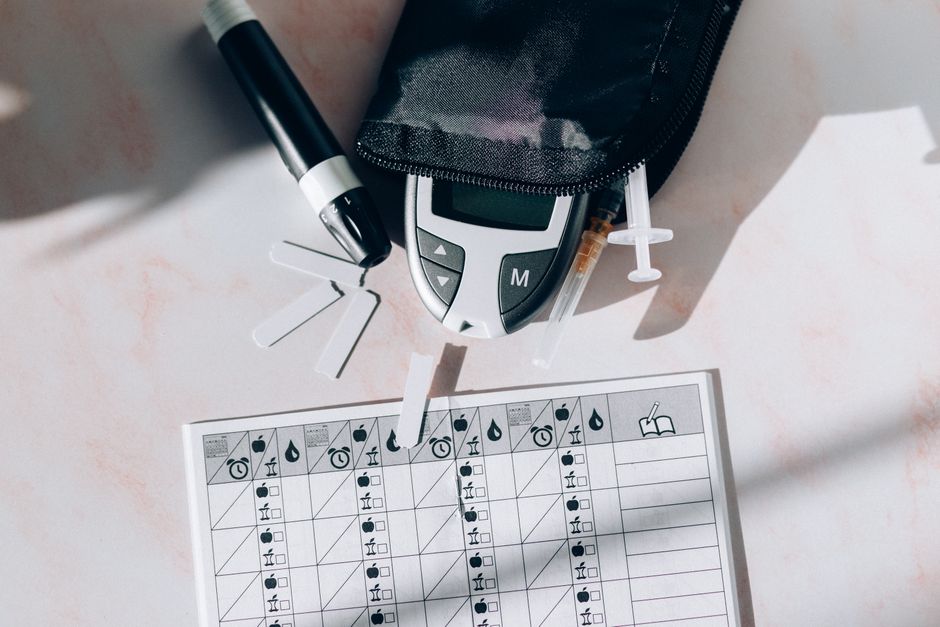
Yes, you can test testosterone levels at home. Several companies sell at-home kits that measure testosterone from a blood sample or, less commonly, from saliva. The bigger question is whether the results are reliable enough to act on — and that depends heavily on which type of test you use and how you interpret the number.
Testosterone testing has real clinical value, but it is also easy to get wrong. A single low reading does not diagnose low testosterone, and a normal reading does not rule it out. Understanding how these tests work, and where they fall short, helps you decide whether an at-home kit is a reasonable first step or a shortcut you should skip.
What Types of At-Home Testosterone Tests Exist?
At-home testosterone testing falls into two main categories: blood spot tests and saliva tests. A third option — going to a lab for a blood draw — is not technically “at home,” but it remains the standard against which the others are measured.
Blood spot tests require you to prick your finger with a small lancet and place drops of blood on a collection card. You mail the card to a lab, and results come back through an app or portal. This method measures total testosterone, and some kits also measure free testosterone, sex hormone binding globulin (SHBG), and other hormones.
Saliva tests involve spitting into a tube. Saliva contains only the free, unbound fraction of testosterone, not total testosterone. That is a meaningful difference. Total testosterone is what clinical guidelines use to diagnose low testosterone, so a saliva result does not map cleanly onto the diagnostic thresholds clinicians rely on.
Some kits also offer finger-prick capillary blood collected into a small tube rather than a dried card. These are still blood samples, but the collection method and handling can affect results if not done carefully.
How Accurate Are Home Testosterone Tests?
Accuracy varies widely by method and by company. Blood spot testing has been studied and can correlate reasonably well with standard venous blood draws when collection and lab processing are done properly. But correlation is not the same as interchangeability, and small errors in collection — too little blood, contamination, delayed mailing — can shift results.
Saliva testing is more problematic for testosterone. Because saliva reflects only free hormone, it cannot be compared directly to the total testosterone thresholds used in clinical guidelines. Some research suggests saliva testosterone can track free testosterone reasonably in research settings, but the evidence for using it to diagnose low testosterone in ordinary clinical practice is limited.
There is another issue that applies to all home tests: timing. Testosterone levels follow a daily rhythm. They are typically highest in the morning and lower later in the day. Clinical guidelines for diagnosing low testosterone generally call for a morning blood sample, often before 10 a.m. A home kit collected in the evening could read lower than a morning sample from the same person, which makes the number harder to interpret.
No at-home kit has been shown in large published trials to match the diagnostic accuracy of a properly timed venous blood draw processed by an accredited lab. That does not make home tests useless. It means their results should be treated as a screening signal, not a diagnosis.
What Do the Numbers Actually Mean?
A testosterone result is only meaningful in context. Total testosterone is reported in nanograms per deciliter (ng/dL) in the United States, or in nanomoles per liter (nmol/L) in much of the rest of the world. Reference ranges vary by lab, by age, and by the population the range was built from.
There is no single universal cutoff for “low” testosterone. Different professional guidelines have proposed different thresholds, and the diagnosis generally requires more than one low morning measurement plus symptoms. A number alone, without symptoms, does not establish a diagnosis of testosterone deficiency.
Symptoms matter because they are what treatment is meant to address. Common symptoms associated with low testosterone include low libido, fatigue, reduced muscle mass, and mood changes. But those symptoms overlap heavily with depression, sleep problems, thyroid disorders, anemia, and simply being under chronic stress. A low number and fatigue together do not automatically mean low testosterone is the cause.
This is where home testing can mislead. A borderline result delivered through an app, without a clinician to interpret it alongside symptoms and repeat testing, can prompt people to pursue treatment they may not need — or to ignore a result that warrants real evaluation.
When Is Home Testing Reasonable — and When Is It Not?
Home testing can be a reasonable first step for someone who is curious about their levels, has mild symptoms, and wants a starting point before deciding whether to see a doctor. It is convenient, private, and generally less expensive than a full clinical workup.
It is a poor choice in several situations:
- You have clear symptoms of testosterone deficiency and want a diagnosis. That requires a clinician, proper timing, and often repeat testing.
- You are considering testosterone therapy. Treatment decisions should not rest on a home kit result alone.
- You have a history of testicular problems, pituitary disease, or are using medications that affect hormones.
- You are a younger man with fertility concerns. Hormone evaluation in this context needs careful clinical assessment.
One clarification worth making: many home kits advertise “free testosterone” as the more meaningful number. In clinical practice, total testosterone is the primary measurement, and free testosterone is usually calculated or measured as a secondary check in specific situations. A kit that leads with free testosterone is not necessarily more accurate — it may simply be measuring a different thing.
How Does Home Testing Compare to a Lab Draw?
The standard for testosterone measurement is a venous blood draw, ideally in the morning, processed by an accredited laboratory. This is what clinical guidelines assume when they set diagnostic thresholds. Home tests are compared against this standard, not the other way around.
| Method | What It Measures | Main Limitation |
|---|---|---|
| Venous blood draw (lab) | Total testosterone, often with free T and SHBG | Requires a clinic visit; timing matters |
| Finger-prick blood spot (home) | Total testosterone, sometimes free T and SHBG | Collection errors can affect results; not validated for diagnosis |
| Saliva (home) | Free testosterone only | Does not map to total testosterone diagnostic thresholds |
If a home test returns a clearly abnormal result, the appropriate next step is a confirmatory lab draw with a clinician, not immediate treatment. If it returns a normal result but you have persistent symptoms, a normal home reading does not close the question — it means the symptoms deserve a proper evaluation for other causes.
What Should You Do With a Home Test Result?
Treat a home result as information, not a verdict. Bring it to a clinician rather than acting on it alone. A single number, especially from a finger-prick or saliva sample, is not enough to diagnose or rule out testosterone deficiency.
If you do use a home kit, collect your sample in the morning, follow the instructions exactly, and note the time of collection. Those steps improve the chance that the result means something. They do not make the result equivalent to a lab draw.
The bottom line is straightforward. At-home testosterone testing exists, it is accessible, and blood-based kits can give a useful signal. But the evidence does not support using a home kit alone to diagnose low testosterone or to decide on treatment. For anything beyond casual curiosity, a conversation with a clinician and a properly timed lab test remains the reliable path.
Frequently Asked Questions
Can you test testosterone levels at home accurately?
Blood-based home kits can give a reasonable signal but have not been shown to match the diagnostic accuracy of a properly timed lab blood draw. Saliva tests are less reliable because they measure only free testosterone.
What time of day should I collect a home testosterone test?
Morning is best, because testosterone levels are typically highest early in the day. Clinical guidelines generally call for a morning sample, often before 10 a.m., when evaluating low testosterone.
Can a home test diagnose low testosterone?
No. Diagnosis generally requires symptoms plus more than one low morning measurement interpreted by a clinician, and a single home result is not sufficient on its own.
Are saliva testosterone tests as good as blood tests?
No. Saliva measures only free testosterone, which does not map onto the total testosterone thresholds used in clinical guidelines, so saliva results are harder to interpret for diagnosis.
