
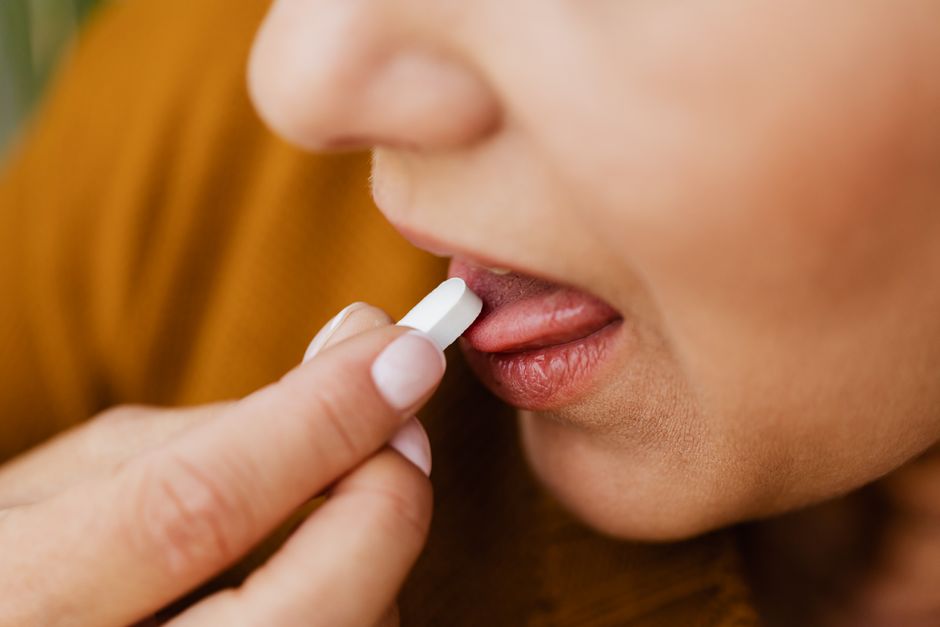
If you are breastfeeding and dealing with an upset stomach, diarrhea, or nausea, you have likely wondered if Pepto Bismol is safe to take. The short answer is no — experts advise against using Pepto Bismol (bismuth subsalicylate) while nursing. The concern centers on two ingredients in the medication: salicylate, which is related to aspirin, and bismuth, which can pass into breast milk. The American Academy of Pediatrics and the U.S. National Library of Medicine both classify bismuth subsalicylate as a medication to avoid during breastfeeding due to potential risks to the infant. This article explains exactly why, what the research says, and what safer alternatives exist.
What Is Pepto Bismol and How Does It Work?
Pepto Bismol is the brand name for bismuth subsalicylate. It is an over-the-counter medication used for diarrhea, indigestion, heartburn, and nausea. It works in two ways. The bismuth part coats the lining of the stomach and intestines, which can soothe irritation. The salicylate part reduces inflammation in the gut, similar to how aspirin works but at a lower dose.
Many people assume it is harmless because it is sold without a prescription. But the salicylate component is the same type of compound found in aspirin. Aspirin is not recommended during breastfeeding unless specifically prescribed by a doctor for certain conditions. The concern is that salicylate can pass into breast milk and potentially affect the nursing infant.
Can You Take Pepto Bismol While Nursing? What the Research Shows
The main reason experts advise against Pepto Bismol during breastfeeding is the salicylate content. When a nursing mother takes bismuth subsalicylate, salicylate enters her bloodstream and then passes into breast milk. Research published in the journal Pediatrics has shown that salicylate levels in breast milk can reach measurable amounts after a standard dose of Pepto Bismol.
Infants metabolize salicylate much more slowly than adults. Their kidneys and liver are not fully developed, so the drug stays in their system longer. In rare cases, this can lead to a condition called Reye’s syndrome, a serious illness that affects the liver and brain. Reye’s syndrome is most commonly linked to aspirin use in children with viral infections, but the theoretical risk exists for infants exposed to salicylate through breast milk.
The bismuth component also raises concern. While less is known about how much bismuth transfers into breast milk, some studies suggest it can accumulate in the infant’s body. The long-term effects of bismuth exposure in infants are not well studied, so most health organizations take a cautious approach and recommend avoiding it entirely during breastfeeding.
How Long Does Pepto Bismol Stay in Your System?
If you have already taken Pepto Bismol while nursing, you are probably wondering how long it stays in your body and breast milk. The half-life of bismuth subsalicylate is about 3 to 5 hours in adults. A half-life means that after 3 to 5 hours, half of the drug has left your system. It takes about 5 half-lives for a drug to be mostly eliminated, which means roughly 15 to 25 hours for Pepto Bismol.
However, salicylate can linger longer. The half-life of salicylate increases with higher doses. At the standard dose found in Pepto Bismol, salicylate may stay in your system for 12 to 24 hours. For nursing mothers, experts generally recommend waiting at least 24 to 48 hours after the last dose before breastfeeding again. This allows enough time for most of the medication to clear from your system.
If you took only one dose, the wait time is shorter. If you took multiple doses over a day or two, the medication accumulates and takes longer to leave. The safest approach is to pump and discard your milk for 48 hours after your last dose. This protects your baby while you recover from your stomach symptoms.





What Are the Risks of Taking Pepto Bismol While Breastfeeding?
The risks to the nursing infant fall into several categories. The most concerning is salicylate toxicity. Symptoms in infants can include irritability, rapid breathing, vomiting, and lethargy. In severe cases, it can lead to metabolic acidosis, a condition where the blood becomes too acidic. This is rare but serious.
Another risk is Reye’s syndrome. While the direct link between breastfeeding and Reye’s syndrome has not been proven in studies, the theoretical risk exists because salicylate passes into breast milk. The American Academy of Pediatrics advises against using salicylate-containing medications during breastfeeding for this reason.
Bismuth itself can also cause problems. Some infants may develop a temporary darkening of the tongue or stool, which is harmless but alarming. More concerning is the potential for bismuth to accumulate in the infant’s tissues over time. Animal studies have shown that bismuth can deposit in the kidneys and liver, though human data is limited.
There is also the risk of drug interactions. If your baby is taking any other medications, the salicylate from Pepto Bismol could interfere. For example, if your baby is on blood thinners or certain antibiotics, the salicylate could increase the risk of bleeding or other side effects.
What Are Safe Alternatives for Nursing Mothers?
If you cannot take Pepto Bismol while nursing, you still have options for treating diarrhea, nausea, and upset stomach. The safest approach is to start with non-medication strategies. For diarrhea, the BRAT diet — bananas, rice, applesauce, and toast — can help firm up stools. Staying hydrated with water or electrolyte drinks is critical because diarrhea causes fluid loss.
For nausea, ginger is a well-studied and safe option. Research published in the Journal of Obstetric, Gynecologic & Neonatal Nursing found that ginger significantly reduces nausea in pregnant and postpartum women. You can try ginger tea, ginger chews, or ginger capsules. Peppermint tea is another safe option that may soothe an upset stomach.
If you need a medication, talk to your doctor about these alternatives:
- Loperamide (Imodium) — This is generally considered safe during breastfeeding. It works by slowing down gut movement, which reduces diarrhea. The amount that passes into breast milk is very low. The American Academy of Pediatrics lists loperamide as compatible with breastfeeding.
- Oral rehydration solutions — Products like Pedialyte or generic electrolyte drinks replace lost fluids and minerals without any medication. These are safe for both you and your baby if you need to supplement.
- Probiotics — Some evidence suggests that certain probiotic strains, like Lactobacillus rhamnosus GG, can shorten the duration of diarrhea. Probiotics are generally considered safe during breastfeeding. Look for products with specific strains that have been studied.
- Bismuth-free antacids — For heartburn or indigestion, calcium carbonate antacids (like Tums) are safe during breastfeeding. They do not contain salicylate and are not absorbed into the bloodstream in significant amounts.
The table below compares the safety of common stomach medications during breastfeeding:
| Medication | Safety Rating | Key Concern |
|---|---|---|
| Bismuth subsalicylate (Pepto Bismol) | Avoid | Salicylate passes into milk, risk of Reye’s syndrome |
| Loperamide (Imodium) | Safe | Low transfer into milk, minimal side effects |
| Calcium carbonate (Tums) | Safe | Not absorbed systemically |
| Ginger | Safe | Well-studied, no known risks |
| Peppermint | Safe | Can reduce gas and nausea |
What to Do If You Already Took Pepto Bismol While Nursing
If you accidentally took Pepto Bismol while breastfeeding, do not panic. The risk of harm to your baby from a single dose is low, especially if your baby is older and healthy. The main step is to stop taking the medication immediately. Then, pump and discard your breast milk for the next 24 to 48 hours. This gives your body time to clear the salicylate and bismuth.
Watch your baby for any unusual symptoms over the next few days. Signs to look for include drowsiness, irritability, rapid breathing, vomiting, or a fever. If you notice any of these, contact your pediatrician right away. Be honest about what you took and when.
If your baby is a newborn, premature, or has any existing health conditions, the risk is higher. In these cases, call your doctor or a lactation consultant for specific guidance. They may recommend a longer waiting period or additional monitoring.
Common Misconceptions About Pepto Bismol and Breastfeeding
One common myth is that Pepto Bismol is safe because it is sold over the counter. This is not true. Many over-the-counter medications are not safe during breastfeeding. The safety of a medication depends on how much passes into breast milk and how the infant processes it, not on whether a prescription is needed.
Another misconception is that the pink liquid form is safer than the chewable tablets. Both forms contain the same active ingredient — bismuth subsalicylate — in similar doses. The form does not change the risk. Whether you take the liquid, tablets, or caplets, the same salicylate enters your bloodstream and breast milk.
Some people believe that taking a smaller dose or only taking it once makes it safe. This is also incorrect. Even a single standard dose of Pepto Bismol can produce measurable salicylate levels in breast milk. The amount may be lower than with repeated doses, but it is still present. The safest approach is to avoid it entirely during breastfeeding.
Finally, some nursing mothers think that if the baby does not show immediate symptoms, it must be fine. But the concern with salicylate exposure is not just immediate effects. The theoretical risk of Reye’s syndrome means that even low-level exposure over time could be harmful. It is better to be cautious than to assume no harm.
Frequently Asked Questions
Can I take Pepto Bismol just once while breastfeeding?
Even a single dose of Pepto Bismol can pass salicylate into your breast milk. Most experts recommend avoiding it entirely during breastfeeding.
How long should I wait to breastfeed after taking Pepto Bismol?
Wait at least 24 to 48 hours after your last dose. Pump and discard your milk during this time to protect your baby.
Is there a safe version of Pepto Bismol for nursing mothers?
No. All forms of Pepto Bismol contain bismuth subsalicylate. There is no salicylate-free version available.
What can I take for diarrhea instead of Pepto Bismol while nursing?
Loperamide (Imodium) is generally considered safe. Oral rehydration solutions and probiotics are also safe options.
