
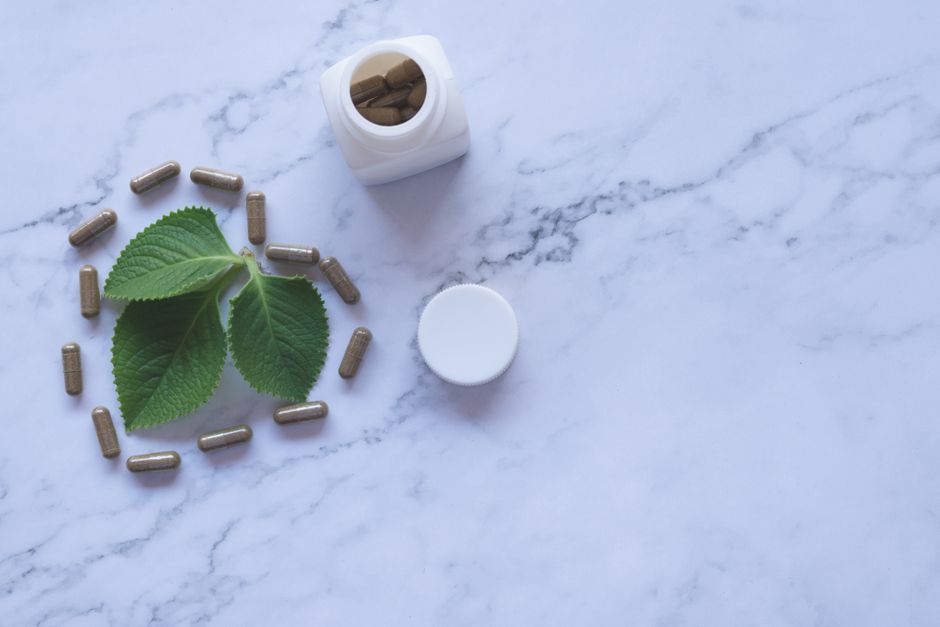
Oregano oil capsules can be taken daily, but the dose matters more than the habit. Most products sold in the US are concentrated extracts, not the kitchen herb, and taking them every day without checking the label is where people get into trouble. Small amounts are generally tolerated by healthy adults. Large amounts, or undiluted oil, can cause real problems.
What Is Oregano Oil and Why Do People Take It?
Oregano oil comes from Origanum vulgare, the same plant used in cooking. The oil is steam-distilled from the leaves and contains a mix of compounds. The two most studied are carvacrol and thymol.
In the bottle, you will usually see one of three things: essential oil of oregano, oil of oregano diluted in a carrier oil like olive oil, or oregano extract in a capsule. These are not the same product. An essential oil is highly concentrated. A diluted oil is far weaker. A capsule may contain either, and the label does not always make it obvious.
People take oregano oil capsules for digestive complaints, for upper respiratory symptoms, and as a general antimicrobial. That last word is doing a lot of work. Carvacrol has shown activity against various bacteria and fungi in laboratory studies. Lab results are not the same as results in the human body. A substance that kills bacteria in a petri dish may never reach meaningful concentrations in the gut or bloodstream after you swallow it.
Can You Take Oregano Oil Capsules Daily?
Yes, many people do take oregano oil capsules daily, and short-term use is generally considered tolerable in healthy adults at label doses. The qualifier is “short-term.”
There is no established long-term safety data for daily oregano oil use in humans. No major health agency has set a recommended daily intake, an upper limit, or a duration of use. That absence is worth sitting with. It does not mean daily use is dangerous. It means nobody has run the long studies that would let anyone say it is safe for years on end.
What clinicians who use oregano oil generally suggest is a limited course rather than indefinite daily use. A common approach is a few weeks at a time, then a break. That approach is based on caution about the gut microbiome and about cumulative irritation, not on trial evidence.
If you are considering daily use, the honest position is this: short courses are the better-studied pattern, long-term daily use is not well studied, and anyone on medication or managing a chronic condition should talk to a clinician first.
How Much Oregano Oil Is in a Typical Capsule?
Content varies widely between brands, and this is the single biggest practical problem with oregano oil capsules. Two bottles that look identical can differ substantially in carvacrol concentration.
What you can do is read the label for three things:
- The amount of oregano oil per capsule, usually listed in milligrams
- The carvacrol percentage, if the brand reports it
- Whether the oil is undiluted essential oil or diluted in a carrier
A capsule containing undiluted essential oil is a very different product from one containing oregano extract in olive oil. Some brands standardize to a specific carvacrol content. Others do not report it at all. A brand that does not tell you the carvacrol level is asking you to trust a number you cannot verify.
No clinical guidelines exist for oregano oil dosing in pregnant women, breastfeeding women, infants, or children. This is not a gap that can be filled by scaling down an adult dose. Essential oils are not appropriate for infants to ingest, and oregano oil specifically should not be given to young children without a pediatrician’s direction.





What Are the Risks of Taking It Every Day?
The most common issues reported with oregano oil are digestive. Stomach upset, heartburn, and a burning sensation are the usual complaints, and they tend to be worse with higher doses or undiluted oil.
There are a few risks worth understanding clearly.
Mucosal irritation. Oregano oil is a strong irritant to mucous membranes. This is why it should never be applied undiluted to skin or taken in a form that contacts the mouth and throat directly. Capsules are designed to get past that, but a capsule that opens early or a softgel that leaks can still cause burning.
Gut microbiome effects. Carvacrol is not selective. In lab studies it affects a broad range of organisms, including ones you want to keep. Whether oral oregano oil meaningfully disrupts the human gut microbiome at typical capsule doses has not been well studied. It is a reasonable concern, not a demonstrated harm.
Drug interactions. Oregano oil may affect how the liver processes certain medications. The evidence here is limited and mostly indirect, but the concern is real enough that anyone taking prescription drugs, especially ones with a narrow safety margin, should check with a pharmacist before starting.
Allergy. Oregano is in the mint family. People allergic to other plants in that family, such as basil, lavender, or mint, may react.
Pregnancy and breastfeeding. Oregano oil is generally advised against during pregnancy and breastfeeding. No clinical guidelines establish a safe amount, and the concentrated oil is not the same as eating oregano in food.
Does Oregano Oil Actually Work for Anything?
This is where marketing and evidence part ways.
There is laboratory evidence that carvacrol and thymol have antimicrobial and antifungal activity. There is very little high-quality human trial evidence that oral oregano oil capsules treat any specific condition.
Some small studies have looked at oregano oil for intestinal parasites and for digestive symptoms. The results have been mixed, sample sizes have generally been small, and few have been replicated. That is not a strong foundation.
For upper respiratory symptoms, oregano oil is often promoted, but the human evidence is thin. Some research has examined carvacrol and related compounds for various effects in cell and animal models. Cell and animal models are where hypotheses start, not where treatment recommendations come from.
A reasonable summary: the mechanism is plausible, the lab work is interesting, and the human evidence is not yet strong enough to say oregano oil capsules reliably treat anything.
How Does Oregano Oil Compare to Antibiotics?
It does not, in any way that matters clinically.
Antibiotics used in medicine have been tested in controlled human trials, have established doses, have known effectiveness against specific organisms, and have defined safety profiles. Oregano oil has none of that. Lab activity against bacteria does not translate into a treatable infection in a person.
This distinction matters most in one situation: a bacterial infection that needs treatment. Using oregano oil instead of a prescribed antibiotic for a serious infection is a decision that can cause harm. Oregano oil is not a substitute for medical treatment.
Some people use oregano oil alongside standard care for minor complaints. That is a different situation from replacing treatment. If you are doing that, tell your clinician, because interactions and overlapping effects are worth knowing about.
Who Should Avoid Oregano Oil Capsules?
Several groups should be cautious or avoid it entirely.
- Pregnant or breastfeeding women
- Infants and young children
- Anyone taking prescription medication, especially blood thinners or drugs processed by the liver
- People with a known allergy to plants in the mint family
- Anyone with an active infection requiring treatment
- People with bleeding disorders or scheduled for surgery
For everyone else, the sensible approach is to start with a lower dose than the label suggests, take it with food to reduce stomach irritation, and stop if you notice burning, nausea, or any reaction you did not expect.
If you are going to take it daily, treat it as a short course with a defined end date rather than an open-ended supplement. Reassess after a few weeks. If it is not clearly helping, there is little reason to keep going.
Frequently Asked Questions
Can you take oregano oil capsules every day?
Many healthy adults take them daily for short periods without obvious problems, but no long-term safety studies exist for daily use over months or years. Short courses with breaks are the better-studied pattern.
What happens if you take too much oregano oil?
Higher doses commonly cause stomach upset, heartburn, and a burning sensation in the digestive tract. Undiluted essential oil is more likely to cause these effects than a diluted capsule.
Is oregano oil as effective as antibiotics?
No. Oregano oil has shown antimicrobial activity in laboratory studies, but it has not been shown in human trials to treat infections the way antibiotics do. It is not a substitute for prescribed treatment.
Can you take oregano oil capsules with other medications?
Oregano oil may affect how the liver processes some drugs, and the evidence on interactions is limited. Check with a pharmacist before combining it with prescription medication.
