
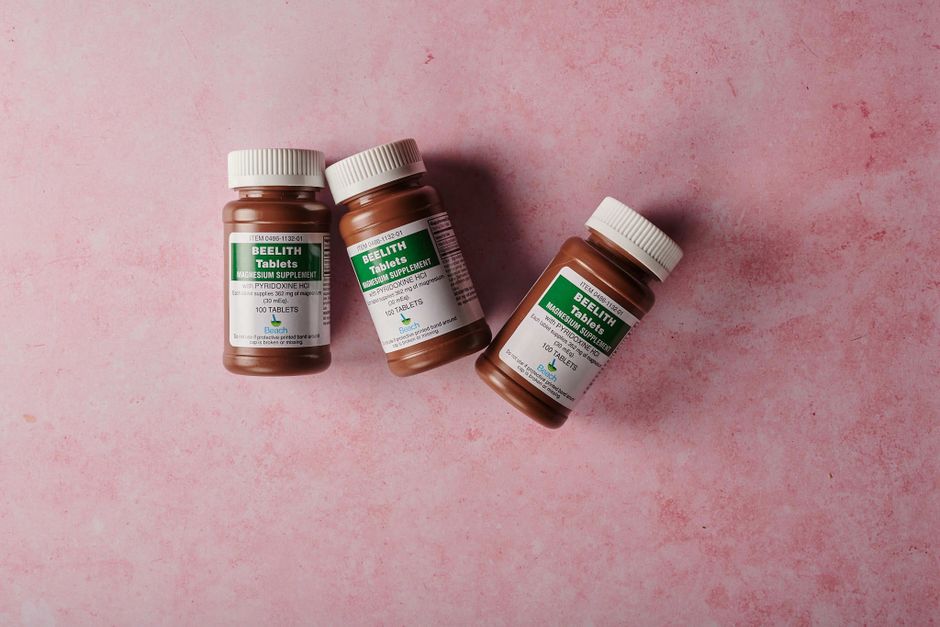
Yes, you can usually take magnesium while on blood thinners. Magnesium does not thin your blood or directly change how anticoagulant drugs work. Still, timing and the type of magnesium matter, because magnesium can bind to some medications in the gut and reduce how much your body absorbs. The safest approach is to tell your prescriber and pharmacist before you start any supplement.
Can You Take Magnesium While On Blood Thinners?
Magnesium is a mineral your body needs for muscle and nerve function, blood sugar control, and bone health. It is not an anticoagulant. It does not prevent clots or dissolve them, and it does not make blood thinner drugs stronger in any direct way.
The main issue is absorption, not blood chemistry. Magnesium supplements can bind to certain drugs in the digestive tract and lower how much of the drug reaches your bloodstream. This is called chelation, and it is a real, documented interaction for some medications.
Warfarin (Coumadin, Jantoven) is the anticoagulant most often studied for interactions. Some research suggests high doses of magnesium can reduce warfarin absorption, which could lower its effect. The evidence is not strong enough to say this happens reliably in everyone. It is a reason to separate the two, not a reason to avoid magnesium entirely.
Direct oral anticoagulants (DOACs) such as apixaban (Eliquis), rivaroxaban (Xarelto), dabigatran (Pradaxa), and edoxaban (Savaysa) are handled differently by the body. Magnesium does not appear to have a meaningful direct interaction with them. That does not mean no interaction exists. It means the evidence for a clinically important one is limited.
If you take a blood thinner, the practical rule is simple. Do not start a magnesium supplement without telling the clinician who manages your anticoagulant.
Why Does Magnesium Interact With Some Medications?
Magnesium is a positively charged mineral. In the gut, it can attach to other molecules and form compounds your body cannot absorb well. When it attaches to a drug, both the mineral and the drug may pass through without being taken up.
This is why some drug labels warn about taking certain medications with mineral supplements. The interaction is about timing and dose, not about the mineral being dangerous.
Magnesium also affects how the body handles calcium and potassium, and it plays a role in heart rhythm. People with kidney disease clear magnesium slowly, so high intakes can build up. That is a separate safety concern from blood thinners, but it matters for anyone considering a supplement.
Your kidneys regulate magnesium balance closely. In healthy people, excess magnesium from food is usually excreted. Supplements at high doses can overwhelm that system, which is why upper intake limits exist for supplemental magnesium.
Which Blood Thinners Are Affected?
Not all anticoagulants behave the same way. The interaction risk depends on the drug and how it is absorbed.
- Warfarin: The most studied for mineral interactions. Some evidence suggests magnesium can reduce absorption. Consistent vitamin K intake matters more for warfarin than magnesium does, but timing still deserves attention.
- DOACs (apixaban, rivaroxaban, dabigatran, edoxaban): No well-established direct interaction with magnesium. Absorption concerns are generally lower than with warfarin.
- Heparin and enoxaparin: Given by injection, so gut absorption is not a factor. No meaningful magnesium interaction is documented.
- Antiplatelet drugs (aspirin, clopidogrel): These work differently from anticoagulants. No established magnesium interaction affects their action.
This is a general guide, not a substitute for your own medication information. Your pharmacist can check your specific drugs against magnesium in a few minutes.
How Should You Time Magnesium and Blood Thinners?
Separating the doses is the most common practical step. Many clinicians suggest taking magnesium at least two hours apart from an oral anticoagulant. This spacing reduces the chance that the mineral binds the drug in the gut.
That two-hour figure is a widely used general rule for mineral-drug separation. It is not a precise, trial-tested number for every blood thinner. It reflects a reasonable buffer based on how long these drugs take to move through the upper digestive tract.
Consistency matters more than perfection. If you take magnesium at the same time each day and your anticoagulant at the same time each day, your clinician can interpret your labs and any bleeding or clotting signs more clearly.
Do not change your anticoagulant dose on your own to make room for a supplement. Dose adjustments are based on lab results, kidney function, weight, and other factors your clinician tracks.
What About Magnesium From Food?
Magnesium from food is a different situation. Dietary magnesium does not carry the same absorption concerns as concentrated supplements, and it is not typically a problem with blood thinners.
Foods rich in magnesium include:
- Leafy greens such as spinach and Swiss chard
- Nuts and seeds, including almonds, cashews, and pumpkin seeds
- Beans and lentils
- Whole grains
- Some fish, such as salmon and halibut
Getting magnesium from food is generally the preferred route for most people. The amounts are lower and spread across the day, and food provides other nutrients alongside it.
One clarification worth knowing: magnesium in food and magnesium in supplements are not treated identically by regulators or by your gut. Supplement doses can be many times higher than what a meal provides, which is why the interaction questions focus on pills and powders.
What Are the Signs of a Magnesium Problem?
Low magnesium can cause muscle cramps, weakness, fatigue, and in more serious cases, abnormal heart rhythms. These symptoms are not specific. They overlap with many other conditions, so they cannot confirm a magnesium deficiency on their own.
Too much magnesium from supplements can cause diarrhea, nausea, and abdominal cramping. Very high intakes, especially in people with kidney problems, can lead to low blood pressure, muscle weakness, and dangerous heart rhythm changes.
Blood tests for magnesium exist, but they measure only a small fraction of the body’s magnesium. Normal blood levels do not always rule out a deficiency in body stores. This is a known limitation of magnesium testing.
If you notice new muscle weakness, palpitations, or unusual bleeding or bruising while on a blood thinner, contact your clinician. Do not wait to see if it resolves on its own.
Who Should Be Extra Cautious?
Some people need more caution than others. This is not about avoiding magnesium. It is about getting guidance first.
- People with kidney disease: The kidneys clear magnesium. Reduced kidney function can allow magnesium to build up, so supplements should be discussed with a clinician.
- People on warfarin: Because of possible absorption effects, timing and monitoring matter more.
- People taking multiple medications: Magnesium can bind several drugs, including some antibiotics and thyroid medicines. More drugs mean more chances for timing conflicts.
- People with heart rhythm conditions: Magnesium affects electrical activity in the heart. Anyone with an arrhythmia should not add high-dose magnesium without medical input.
- Older adults: Kidney function tends to decline with age, and medication lists tend to grow.
Pregnancy and breastfeeding deserve their own note. Magnesium needs change during pregnancy, but supplement decisions should be made with obstetric guidance. No general self-dosing rule applies here.
What Should You Do Before Starting Magnesium?
Tell your prescriber and your pharmacist. That single step resolves most of the uncertainty. Bring the actual supplement bottle so the dose and form can be checked.
Ask three questions:
- Does this magnesium interact with any of my medications?
- How far apart should I take them?
- Do I need any lab monitoring?
Do not stop or change your blood thinner to fit a supplement schedule. Anticoagulant dosing is carefully balanced, and small changes can shift bleeding or clotting risk.
If you are considering magnesium for a specific reason, such as cramps, sleep, or constipation, say so. The right dose and form depend on the goal, and some forms are better absorbed than others. Magnesium citrate and magnesium oxide behave differently in the gut, for example.
The evidence for magnesium helping with many common complaints is mixed. Some studies suggest benefit for certain issues, while others show little difference from placebo. A supplement is not a guaranteed fix, and it should not replace evaluation of symptoms that could have another cause.
Frequently Asked Questions
Can I take magnesium while on Eliquis?
Magnesium does not have a well-established direct interaction with apixaban (Eliquis). Still, tell your prescriber before starting it, and separate the doses by a couple of hours as a precaution.
Does magnesium thin your blood?
No. Magnesium is a mineral, not an anticoagulant, and it does not prevent or dissolve blood clots. It can affect drug absorption in the gut, which is a different issue.
How long after a blood thinner can I take magnesium?
A common general practice is to wait at least two hours between an oral anticoagulant and a magnesium supplement. This spacing is a reasonable buffer, not a precisely tested rule, so confirm the timing with your pharmacist.
Can magnesium cause bleeding if I take a blood thinner?
There is no established evidence that magnesium directly causes bleeding or increases the bleeding effect of anticoagulants. The main concern is reduced drug absorption from taking them too close together.
