
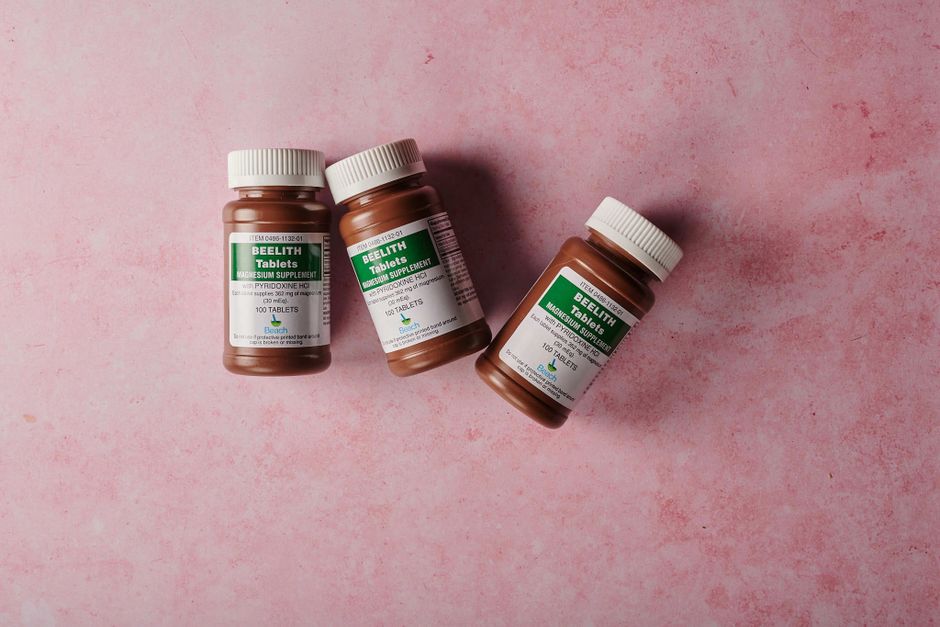
Yes, you can take magnesium on an empty stomach. Most forms are absorbed fine without food, and some people even prefer it that way. The catch is that a minority of people get nausea, cramping, or loose stools when they take it on an empty stomach, so timing is more about comfort than about whether the mineral works.
Magnesium is a mineral your body needs for hundreds of chemical reactions, including muscle and nerve function, blood sugar control, and blood pressure regulation. It is also one of the most common nutrient shortfalls in the US diet. How and when you take a supplement can affect how well you tolerate it, and in some cases how well you absorb it.
Can You Take Magnesium On An Empty Stomach?
For most people, yes. The stomach does not require food to absorb magnesium, and taking it without food will not stop it from working. What food mainly changes is how fast the supplement moves through your gut and how much irritation it causes along the way.
Some forms are easier on an empty stomach than others. Magnesium citrate and magnesium oxide are more likely to cause loose stools or an upset stomach when taken without food. Magnesium glycinate and magnesium malate tend to be gentler. If you have a sensitive stomach, taking your dose with a meal is a simple fix that does not reduce the benefit for most people.
One practical point worth knowing: the type of magnesium matters more than the timing. A poorly absorbed form taken with food is still poorly absorbed. A well-absorbed form taken on an empty stomach usually works fine.
What Does Magnesium Do In The Body?
Magnesium is involved in more than 300 enzymatic reactions. It helps regulate muscle contraction, nerve signaling, blood pressure, blood sugar, and the building of protein and bone. It also plays a role in how your heart conducts electrical signals, which is why severe deficiency can affect heart rhythm.
Your body keeps magnesium levels tightly controlled. Blood magnesium stays within a narrow range even when your intake drops, because the body pulls from bone and adjusts how much the kidneys excrete. That is why a standard blood test can look normal even when your total body stores are low. This is a real limitation of testing, and it is worth understanding if you have been told your magnesium is “fine” based on one blood draw.
Low intake over time is linked to a higher risk of several chronic conditions, including type 2 diabetes and high blood pressure. That link is well documented in population studies. Whether magnesium supplements prevent those conditions is a different question, and the evidence there is weaker.
Which Foods Contain Magnesium?
Food is the primary source of magnesium for most people, and it is the source the body handles best. The following foods are among the richest sources, based on USDA nutrient data:
- Pumpkin seeds (about 150 mg per ounce)
- Chia seeds (about 95 mg per ounce)
- Almonds (about 80 mg per ounce)
- Spinach, cooked (about 157 mg per cup)
- Cashews (about 74 mg per ounce)
- Black beans, cooked (about 120 mg per cup)
- Edamame (about 100 mg per cup)
- Peanuts (about 50 mg per ounce)
Refined grains lose much of their magnesium during processing, which is one reason diets high in white flour and white rice tend to fall short. Whole grains, nuts, seeds, and leafy greens are where most of the magnesium in a typical diet comes from.
How Much Magnesium Do You Need?
The recommended daily allowance set by the National Institutes of Health is 400 to 420 mg per day for adult men and 310 to 320 mg per day for adult women. Needs rise during pregnancy. Many adults in the US do not reach these amounts through food alone.
The tolerable upper limit for magnesium from supplements is 350 mg per day for adults. That limit applies to supplemental magnesium only, not to magnesium from food. Food magnesium does not cause the same problems because the body absorbs it more slowly and adjusts how much it takes in. Going above the supplement limit is more likely to cause diarrhea and abdominal cramping than any serious harm in healthy people, but it is still the ceiling to respect.
People with kidney disease need to be careful. Their kidneys cannot clear excess magnesium efficiently, so supplement doses that are fine for others can build up. Anyone with reduced kidney function should talk to a clinician before taking magnesium supplements.
Do You Absorb Magnesium Better With Or Without Food?
The evidence here is mixed, and it depends on the form. Some studies suggest that taking magnesium with food can slightly improve absorption of certain forms, while others find no meaningful difference. The effect is small either way.
What food reliably does is slow the supplement’s trip through the digestive tract and reduce the chance of stomach upset. For most people, that is the real reason to take magnesium with a meal rather than a reason tied to absorption.
There is one clear exception. Taking magnesium with a high-fiber meal or with certain medications can reduce absorption. Magnesium can bind to some antibiotics, thyroid medications, and bisphosphonates, which are drugs used for bone density. If you take any of these, separating your magnesium dose from the medication by a few hours is a common clinical recommendation. Ask your pharmacist about your specific medications.
What Are The Side Effects Of Taking Magnesium On An Empty Stomach?
The most common issue is digestive. Magnesium draws water into the intestines, which is exactly why magnesium citrate and magnesium oxide are used as laxatives at higher doses. On an empty stomach, that effect can hit faster and harder.
Possible effects include:
- Nausea or a queasy feeling
- Loose stools or diarrhea
- Abdominal cramping
- Bloating
These are usually mild and dose-related. Lowering the dose, switching to a gentler form like magnesium glycinate, or taking it with food typically resolves them. Serious reactions are rare in people with healthy kidneys. Very high doses can cause low blood pressure, muscle weakness, and in extreme cases difficulty breathing, but this is uncommon and usually tied to kidney problems or accidental overdose.
Which Form Of Magnesium Should You Choose?
Different forms behave differently. Absorption and tolerability vary, and marketing often blurs the line between what is proven and what is claimed.
| Form | Absorption | Common Use |
|---|---|---|
| Magnesium citrate | Well absorbed | General use; also a laxative at higher doses |
| Magnesium oxide | Poorly absorbed | Constipation relief; inexpensive |
| Magnesium glycinate | Well absorbed | Gentle on the stomach; often used for sleep |
| Magnesium malate | Well absorbed | General use; sometimes marketed for fatigue |
| Magnesium chloride | Well absorbed | General use; also used in topical products |
A note on topical magnesium, including sprays, oils, and Epsom salt baths. These are widely used and often marketed as bypassing the digestive tract. The evidence that meaningful amounts of magnesium cross the skin is limited. Some studies suggest little to no absorption, while others report small changes. No large human trials have confirmed that topical magnesium raises body magnesium levels in a way that matters clinically. If you enjoy Epsom salt baths, that is fine, but do not count on them to correct a deficiency.
Who Should Be Careful With Magnesium Supplements?
Magnesium from food is safe for nearly everyone. Supplements deserve more caution in certain groups.
People with kidney disease should not take magnesium supplements without medical guidance. So should anyone taking diuretics, certain blood pressure medications, or drugs that affect kidney function, because these can change how the body handles magnesium.
People with heart block or a slow heart rate should also check with a clinician, since magnesium affects cardiac electrical signaling. And anyone taking antibiotics, thyroid medication, or bone-density drugs should separate the timing of their magnesium from those medications.
If you are pregnant or breastfeeding, do not start a supplement without talking to your clinician. Magnesium needs rise during pregnancy, but so does the risk of getting the dose wrong. No universal supplement guideline covers every pregnancy situation, so this is a conversation to have with your care team.
When Should You Take Magnesium For Sleep?
Many people take magnesium at night, often on an empty stomach, hoping it will help them sleep. The popularity of this practice has outpaced the evidence.
Magnesium does play a role in nerve signaling and relaxation, and some small studies suggest it may improve sleep quality in older adults or people with low magnesium levels. But the evidence is not strong enough to say magnesium reliably improves sleep in healthy adults with normal levels. If you already sleep well, a supplement is unlikely to change much.
If you want to try it, magnesium glycinate is often chosen because it is gentle and less likely to cause digestive upset at night. Taking it an hour or so before bed, with or without a small snack, is a common approach. Just do not expect a dramatic effect if your magnesium levels are already normal.
Frequently Asked Questions
Can I take magnesium on an empty stomach?
Yes, most people can take magnesium on an empty stomach without problems. If it causes nausea or loose stools, take it with a meal instead.
Does magnesium need to be taken with food?
No, food is not required for absorption. Taking it with food mainly reduces the chance of stomach upset for people who are sensitive.
What is the best time of day to take magnesium?
There is no established best time. Some people take it at night for sleep, but the evidence for that benefit is limited in healthy adults.
Can you take too much magnesium?
Yes, from supplements. The upper limit for supplemental magnesium is 350 mg per day for adults, and exceeding it can cause diarrhea and cramping.
