
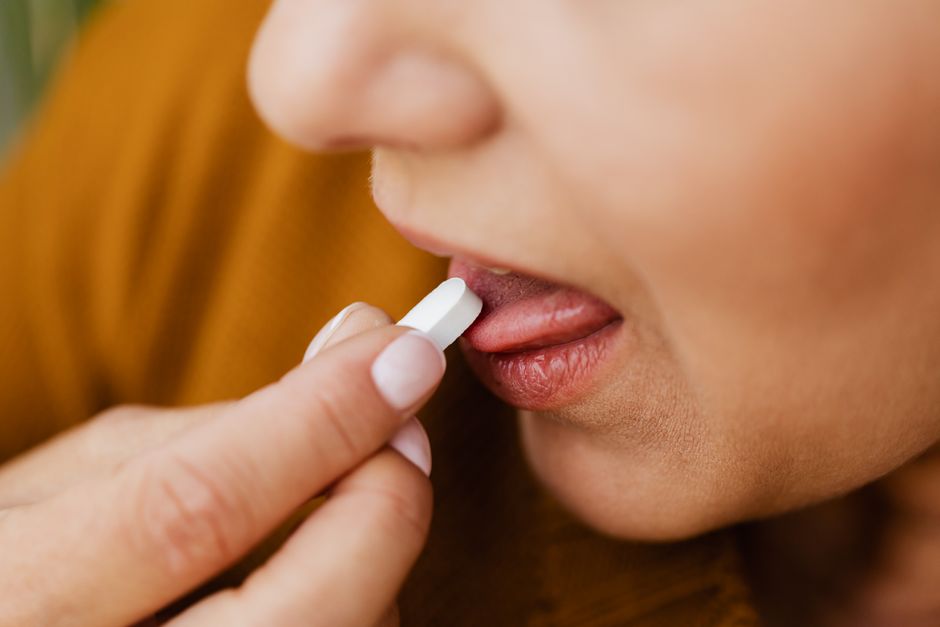
If one dose of Pepcid does not relieve your heartburn, you can usually take a second dose within 24 hours — but only if you follow the label instructions. The over-the-counter (OTC) maximum is two tablets per day. Taking two tablets at once, however, is not recommended without a doctor’s guidance. For the best results, wait at least one hour between doses. If your symptoms continue, see a healthcare provider instead of taking more.
How Does Pepcid Work for Heartburn?
Pepcid contains the drug famotidine. It belongs to a class of medications called H2 blockers. These drugs reduce the amount of acid your stomach produces. Unlike antacids that neutralize existing acid, H2 blockers work by blocking histamine signals that trigger acid release. The effect begins within about one hour and can last up to 12 hours.
Famotidine is effective for occasional heartburn caused by acid reflux. It is less effective for symptoms that involve stomach contents moving up into the throat (regurgitation) or for severe cases of gastroesophageal reflux disease (GERD). Understanding how the drug works explains why a single dose may not always provide complete relief.
Why Might One Pepcid Not Work?
Several factors can reduce the effectiveness of a single Pepcid dose. Timing matters — taking the medication right after a heavy meal delays absorption. Food, especially high-fat meals, can trigger stronger acid production that a standard dose may not fully suppress. Some individuals have faster metabolism of famotidine, reducing its effect.
Another common reason is that the heartburn is caused by something other than excess acid. For example, a hiatal hernia or low stomach acid can produce similar sensations. In these cases, H2 blockers may not help. Also, if you are taking another medication that interferes with famotidine, such as certain antacids, the drug may not absorb properly.
Finally, the severity of your symptoms matters. Mild heartburn from a single meal often responds to one 20 mg dose. More persistent or nightly heartburn may require a higher dose or a different type of medication.
Is It Safe to Take Two Pepcid If One Doesn’t Work?
The short answer is yes — if you follow the label. For OTC Pepcid AC 20 mg, the label allows up to two tablets in 24 hours. So taking a second tablet later in the same day is within the recommended limit. However, taking two tablets at the same time is not advised. The single-dose recommendation is one tablet. Doubling the dose at once increases the risk of side effects like headache, dizziness, or constipation without providing additional benefit for many people.
The prescription version of famotidine is often given as 20 mg or 40 mg twice daily. That means 40 mg in a single dose is a known medical quantity — but it is only appropriate under a doctor’s supervision. For OTC use, the safest approach is to take one tablet, wait at least one hour, and if symptoms persist, take a second tablet. If that still does not work, do not take additional doses. Contact your doctor.
People with kidney disease or those over age 65 should be especially careful. Famotidine is processed by the kidneys. Reduced kidney function can cause the drug to build up in the body, raising the risk of side effects. If you fall into these groups, never exceed the daily limit without medical advice.



What Is the Maximum Daily Dose of Pepcid?
For OTC use, the maximum is two tablets (20 mg each) in 24 hours. That equals 40 mg total per day. Taking more than this exceeds the label and increases the risk of side effects. Prescription famotidine can go up to 40 mg twice daily (80 mg per day) for conditions like GERD or stomach ulcers. But these higher doses require a doctor’s prescription and monitoring.
Switching between different strengths can cause confusion. OTC Pepcid comes in 10 mg and 20 mg tablets. If you buy the 10 mg strength, you could take up to four tablets before hitting the 40 mg daily limit. But the label on the 10 mg box typically says max two tablets per day as well. Always check the label on your specific package. The official recommendation from the manufacturer is consistent: do not exceed two tablets per day for OTC strengths.
When Should You See a Doctor Instead of Taking More Pepcid?
If you need more than two doses of Pepcid per day or if symptoms continue past two weeks, see a doctor. Heartburn that does not respond to OTC medication may indicate a more serious condition like GERD, an ulcer, or even heart disease. Warning signs include chest pain with shortness of breath, pain radiating to the arm or jaw, difficulty swallowing, vomiting blood, or black stools. These require immediate medical attention, not more antacid.
Even without these red flags, persistent heartburn should be evaluated. Chronic acid exposure can damage the esophagus over time, leading to esophagitis, strictures, or Barrett’s esophagus. A doctor can determine the underlying cause and recommend a proper treatment plan, which may include prescription-strength famotidine, proton pump inhibitors (PPIs) like omeprazole, or lifestyle changes.
Are There Better Alternatives When Pepcid Doesn’t Help?
If one dose of Pepcid fails, switching to another class of medication may be more effective. Proton pump inhibitors (PPIs) are stronger acid suppressants. They work by blocking the enzyme that produces acid in stomach cells. Examples include omeprazole (Prilosec OTC), lansoprazole (Prevacid), and esomeprazole (Nexium). PPIs take longer to start working (a few days of daily use) but provide more complete and longer-lasting acid suppression.
Antacids like Tums or Rolaids work much faster than H2 blockers. They neutralize acid already present in the stomach. However, their effect lasts only 30 to 60 minutes. They can be used for immediate relief while waiting for Pepcid to work. Combining an antacid with an H2 blocker is generally safe, but space them at least two hours apart so the antacid does not interfere with famotidine absorption.
Lifestyle adjustments can also improve heartburn. Eating smaller meals, avoiding lying down after eating, losing weight, and cutting back on trigger foods (spicy foods, chocolate, caffeine, alcohol) often reduce the need for medication.
What Does the Research Say About Doubling Famotidine?
Clinical studies have examined higher doses of famotidine for GERD and ulcers. Prescription doses of 40 mg twice daily are well established and effective for these conditions. However, the evidence for “on-demand” doubling of OTC doses for occasional heartburn is limited. Some studies suggest that 40 mg provides more consistent acid suppression than 20 mg, but the benefit may not justify the increased cost or side effect risk for occasional users.
No large studies have specifically tested taking two OTC tablets at once in real-world settings. Most guidelines recommend sticking to the labeled dose. If you have persistent symptoms despite proper use, the next step is medical evaluation — not a third tablet.
Frequently Asked Questions
Can I take two Pepcid 20 mg at the same time?
It is not recommended. Taking two 20 mg tablets at once provides 40 mg, which is a prescription-level dose best used under medical supervision. Stick to one tablet, wait at least one hour, then take a second if needed.
How long should I wait between two Pepcid doses?
Wait at least one hour after the first dose before taking a second. This gives the medication time to work. Do not exceed two tablets in 24 hours.
What happens if I take three Pepcid in one day?
Taking three tablets exceeds the maximum daily dose (40 mg). This can increase the risk of side effects like headache, dizziness, or bowel changes. If you have taken three, stop and call a doctor if you feel unwell.
Is Pepcid stronger than Prilosec?
No. Prilosec (omeprazole) is a proton pump inhibitor that suppresses acid more completely and for longer than Pepcid. Pepcid works faster (within an hour) but provides weaker suppression over the long term.
