
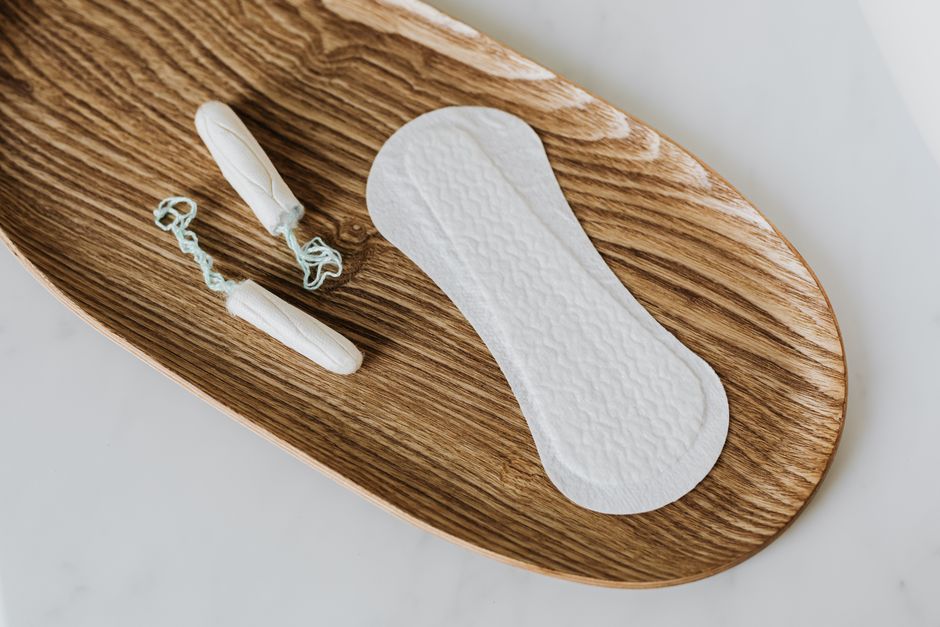
Yes, you can sleep with a tampon in. Tampons are designed to be worn for several hours at a time, and overnight use is common. The one rule that matters is timing: a tampon should not stay in for more than eight hours. As long as you insert it correctly and remove it within that window, sleeping with a tampon is generally considered safe.
That said, “safe” is not the same as “no attention needed.” A few simple habits protect you from the rare but serious complications linked to leaving a tampon in too long. Here is what the evidence actually says.
How Long Can You Leave a Tampon In?
Eight hours is the widely accepted limit, and it comes from manufacturers and medical guidance rather than from a single study. The reasoning is straightforward: the longer a tampon stays in place, the more time bacteria have to multiply in a warm, moist environment.
Most people sleep seven to eight hours. That fits inside the window, but only if you plan around it. If you insert a tampon at 10 p.m. and wake at 7 a.m., you are at nine hours. That is past the limit.
A practical approach is to wear a pad or period underwear overnight instead, or to insert a fresh tampon right before bed and remove it first thing in the morning. If your sleep is often longer than eight hours, a pad removes the guesswork entirely.
This is not about a small margin of error being dangerous. It is about not making a habit of it. Occasional oversleeping is not a medical emergency. Repeatedly leaving tampons in for long stretches is where risk builds.
What Happens If You Leave a Tampon In Too Long?
The main concern is a rare but serious condition called toxic shock syndrome, or TSS. It is caused by toxins produced by certain strains of Staphylococcus aureus bacteria. TSS is not an infection you catch from a tampon itself. The tampon creates conditions that can allow bacteria already present in the vagina to multiply and release toxins.
TSS is uncommon. It is also potentially life-threatening, which is why the eight-hour rule exists. Early symptoms can look like a sudden flu:
- High fever that comes on quickly
- Vomiting or diarrhea
- A sunburn-like rash
- Muscle aches
- Dizziness, faintness, or confusion
If these symptoms appear while you are wearing a tampon, remove it immediately and seek medical care right away. Tell the clinician you have been using tampons. Early treatment matters.
The risk of TSS is higher with super-absorbency tampons, because they stay in longer and hold more fluid. Using the lowest absorbency that manages your flow is one of the most effective steps you can take. If your flow is light, a regular or light tampon is enough.
One detail worth knowing: TSS is not limited to menstruation. It has been linked to other causes as well, including skin wounds and surgical sites. Tampon use is one recognized risk factor among several.
Is It Safe to Sleep With a Tampon Every Night?
Doing it occasionally, within the eight-hour window, is not a known problem. Doing it every night for the length of your period is where you should think more carefully.
Each night adds another stretch of continuous wear. Over a five-day period, that is five long blocks of time with a tampon in place. Switching to pads or period underwear for at least part of your cycle lowers that cumulative exposure.
Many people alternate: tampons during the day, a pad at night. That pattern keeps you within safe limits without much effort. There is no medical reason you must use tampons overnight if another option works for you.
If you have had TSS before, or if you carry the bacteria that produce the toxin, your risk is higher. In that case, avoiding tampons altogether is the more cautious choice. Talk with a clinician about what fits your situation.





What About Sleeping With a Tampon and a Pad?
Using both is a common and reasonable backup, especially on heavy flow days. The pad catches anything the tampon does not, which lowers the chance of leaks overnight. It does not change the eight-hour rule for the tampon itself.
Some people use a pad alone at night precisely so they do not have to track time. That is a valid choice, not a compromise. Overnight pads are designed to hold a full night’s flow for most people.
If you tend to sleep more than eight hours, doubling up does not extend the safe wear time. The tampon still needs to come out within the window. The pad is there for leaks, not for extra hours.
Can You Sleep With a Tampon If You Have a Heavy Flow?
Heavy flow raises two separate issues: leaks and absorbency choice. Neither one changes the eight-hour limit, but both affect how you manage the night.
If your flow is heavy, you may be tempted to use a super or super-plus tampon so it lasts longer. That is exactly the choice that increases TSS risk. Higher absorbency means the tampon stays in longer and holds more, which is the opposite of what you want overnight.
A better plan for heavy flow is a pad or period underwear, possibly with a tampon of lower absorbency if you insert it close to bedtime. Change it as soon as you wake.
If your periods are consistently heavy — soaking through protection every hour for several hours, or passing large clots — that is worth mentioning to a clinician. Heavy menstrual bleeding has several possible causes, and it can be treated. It is not something you have to simply manage with higher-absorbency products.
How to Sleep With a Tampon More Safely
The habits that lower risk are simple and well established. None of them require special products.
- Use the lowest absorbency that controls your flow.
- Insert a fresh tampon close to bedtime, not hours before.
- Remove it within eight hours of insertion.
- Wash your hands before and after inserting or removing.
- Change tampons at least every four to eight hours during the day.
- Alternate with pads or period underwear to give your body breaks.
Never insert more than one tampon at a time. If you cannot remember whether you removed one, check before inserting another. A retained tampon can cause a strong odor and discharge, and it needs to be removed.
If you use a tampon and cannot find the string, do not panic. Try to relax and feel for it. If you cannot reach it, see a clinician. A retained tampon is easily removed and is not usually dangerous on its own, but it should not stay in.
One point that often gets lost: the eight-hour rule is about continuous wear, not about how many hours total you use tampons in a day. Taking a tampon out, then inserting a new one later, resets the clock. What matters is that no single tampon stays in past the limit.
Frequently Asked Questions
Can you sleep with a tampon in?
Yes, you can sleep with a tampon in as long as it is removed within eight hours of insertion. If you typically sleep longer than that, a pad or period underwear is the safer option.
What happens if you sleep with a tampon in for more than 8 hours?
Leaving a tampon in longer than eight hours raises the risk of toxic shock syndrome, a rare but serious condition. If you oversleep once, remove the tampon right away and watch for symptoms like sudden fever, rash, or vomiting.
Can you sleep with a tampon and a pad?
Yes, using a pad alongside a tampon is a common way to prevent overnight leaks. It does not extend the eight-hour limit for the tampon.
Is it safe to wear a tampon overnight every night?
Occasional overnight use within the eight-hour window is not a known problem, but nightly use throughout your period means repeated long stretches of continuous wear. Alternating with pads lowers that exposure.
