

Yes, you can see fleas, but they are very small and move incredibly fast. Adult fleas are typically about 1.5 to 3.3 millimeters long, which is roughly the size of a sesame seed or the tip of a pencil lead. Their dark, reddish-brown color makes them visible against light surfaces, but their speed and tiny size mean most people notice the bites before they ever spot the insect itself.
Can You See Fleas With the Naked Eye?
Adult fleas are visible to the human eye. They are not microscopic. Most people can see them if they look closely, especially against a white sheet or light-colored flooring.
However, seeing one is not always easy. Fleas are built for jumping and moving through animal fur. They can cover distances of up to 200 times their body length in a single leap. When they sense vibration or light changes, they move instantly. By the time your eyes focus, the flea is gone.
If you suspect fleas, look for them on your pet’s belly or the base of the tail. These are areas where fleas tend to gather. Part the fur and look for small, fast-moving specks. You may also see flea dirt, which looks like black pepper flakes and is actually digested blood.
What Do Fleas Look Like Up Close?
To the naked eye, an adult flea looks like a tiny, flattened oval. It has a hard outer shell that is shiny and reddish-brown. This shell is tough enough to withstand the pressure of being squeezed between fingers — a common trick people use to try to kill them.
Under a magnifying glass or microscope, fleas show distinct features. They have six legs, with the back pair noticeably longer and thicker for jumping. Their bodies are covered in backward-pointing bristles and spines. These help them move forward through fur but make it difficult for them to be pulled backward or brushed off.
Fleas do not have wings. They are wingless insects. Their mouthparts are adapted for piercing skin and sucking blood. This is why they leave small, itchy bites in clusters or lines.
Why Is It So Hard to Spot a Flea?
Size is only part of the challenge. Fleas are extremely fast and have a low profile. Their bodies are laterally compressed, meaning they are thin from side to side. This shape allows them to move easily between hairs on a dog or cat without being detected.
Their color helps them hide. Adult fleas are dark brown or reddish-brown, which blends into animal fur, carpets, and dark floor cracks. They are most visible against white or very light surfaces.
Fleas also avoid light. They tend to hide in dark places like carpet fibers, pet bedding, and upholstery. They emerge to feed but retreat quickly. This behavior makes them hard to find during a casual inspection.
Another reason people miss them: fleas do not spend much time on the surface. Adult fleas live on the host animal, feeding and reproducing. But the eggs, larvae, and pupae develop in the environment — in carpets, cracks, and bedding. You may see no adult fleas at all while the infestation is still growing in the larval stage.




Can You See Flea Eggs and Flea Dirt?
Flea eggs are even harder to see than adult fleas. They are about 0.5 millimeters long, roughly the size of a grain of salt. They are pearly white and oval-shaped. They do not stick to the animal — they fall off into the environment within hours of being laid.
You are more likely to find flea dirt than eggs. Flea dirt is the feces of adult fleas. It consists of digested blood and appears as tiny black or dark red specks. It is often mistaken for regular dirt or dust.
There is a simple test to confirm flea dirt. Place the specks on a damp white paper towel. If they are flea feces, the blood will rehydrate and create reddish-brown streaks around each speck. This is a reliable household method for confirming flea activity.
How to Check for Fleas at Home
If you suspect fleas, a systematic check works better than a quick glance. Start by combing your pet with a fine-toothed flea comb. Focus on the neck, lower back, and base of the tail. Have a bowl of soapy water nearby and dip the comb after each stroke. Soap breaks the surface tension so fleas drown instead of jumping away.
Check your pet’s bedding. Fleas and their eggs accumulate there. Shake the bedding over a white sheet or large piece of white paper. Look for small, dark specks that move or that leave reddish stains when moistened.
Walk around your home in white socks. Fleas are attracted to body heat and movement. They may jump onto your socks, where they are easy to see against the white fabric. This method works best in areas where your pet spends time.
Check carpets and rugs with a flashlight. Fleas hide in the fibers, especially in dark corners and along baseboards. Run your fingers through the carpet and inspect the area closely. Adult fleas are more active in the evening and at night.
What Do Flea Bites Look Like on Humans?
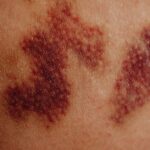
Flea bites are small, red, and itchy. They often appear in clusters or straight lines of three or four bites. This pattern happens because a flea bites, moves slightly, and bites again.
The most common bite locations on humans are the ankles, lower legs, and feet. Fleas reach these areas easily from the floor or carpet. Unlike bed bugs, which often bite exposed skin on the upper body, flea bites concentrate below the knee.
Each bite has a small red dot at the center, surrounded by a red halo. The area may swell slightly. Scratching can break the skin and lead to secondary infection. Some people develop a stronger allergic reaction with larger welts and more intense itching.
How to Get Rid of Fleas Effectively
Treating fleas requires addressing both the pet and the home. Treating one without the other leads to reinfestation.
For pets, veterinary-approved flea treatments are the most reliable option. These come as topical drops, oral tablets, or collars. Some products kill adult fleas quickly, while others disrupt the flea life cycle by preventing eggs from hatching. Your veterinarian can recommend a product based on your pet’s species, weight, and health status.
For the home, vacuuming is the single most effective mechanical method. Vacuum carpets, rugs, upholstery, and pet bedding thoroughly. Pay attention to areas where pets sleep. Vacuuming removes adult fleas, eggs, and larvae. It also stimulates pupae to emerge, which makes them more vulnerable to treatment. Seal the vacuum bag and dispose of it outside immediately.
Wash all pet bedding and any fabric your pet uses in hot water. The heat kills fleas in all life stages. Dry on the highest heat setting the fabric allows.
Insecticide sprays and foggers are available for home use. Look for products containing an insect growth regulator (IGR). These prevent flea eggs and larvae from developing into adults. Follow the label instructions exactly. In severe infestations, professional pest control may be necessary.
How Long Does It Take to Get Rid of Fleas?
Complete elimination typically takes two to four weeks. The flea life cycle includes egg, larva, pupa, and adult stages. Pupae can remain dormant in the environment for months. They emerge when they detect heat, vibration, or carbon dioxide — signs that a host is nearby.
This means even after you kill all adult fleas, new ones can appear from pupae in the environment. Consistent treatment over several weeks breaks this cycle. Missing even one week of treatment can allow the infestation to rebound.
If you have a severe infestation or live in a multi-unit building, flea control may take longer. Pets that roam outdoors can also bring new fleas back into the home. In these cases, ongoing prevention is necessary.
When to Call a Professional Exterminator
Some infestations are too large to handle with household methods. If you have been treating for several weeks with no improvement, professional help is reasonable.
Professionals have access to stronger insecticides and application equipment. They can treat all areas of the home, including cracks and crevices where fleas hide. They can also identify the source of the infestation, which may be outside the home.
Call a professional if you have a large home, a severe infestation, or pets with flea allergy dermatitis. This condition causes intense itching and hair loss in animals. It requires veterinary treatment in addition to pest control.
Frequently Asked Questions
Can you see fleas with the naked eye?
Yes, adult fleas are visible without magnification. They are about the size of a sesame seed and appear as small, dark, fast-moving specks.
What do fleas look like on a person?
Fleas on a person appear as small, dark, moving dots, usually on the lower legs and ankles. Their bites look like tiny red bumps in clusters or lines.
How do you check if you have fleas in your house?
Walk around in white socks and inspect the fabric for small dark specks. Check pet bedding over a white sheet and look for flea dirt that leaves red streaks when moistened.
Can fleas live in human hair?
Fleas do not typically live in human hair. They prefer animal hosts with more fur, but they can bite the scalp if they land there.
