
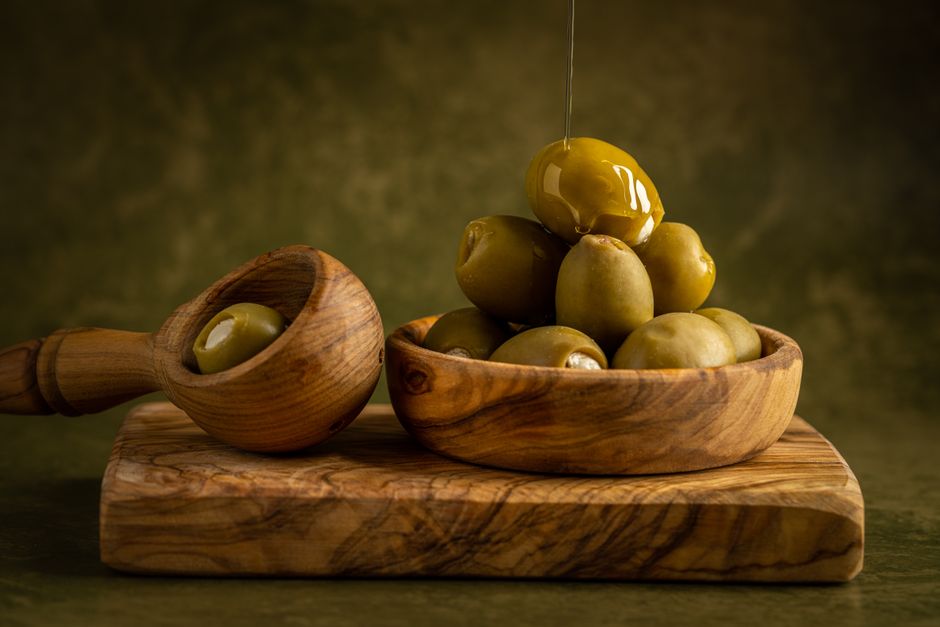
Yes, you can replace olive oil with vegetable oil in most cooking. But the swap changes the flavor, the nutrition, and sometimes the cooking result. Vegetable oil is a neutral, highly processed blend of oils. Olive oil is a minimally processed fruit oil with distinct taste and health properties. The right choice depends entirely on what you are cooking and why you are cooking it.
What Is the Difference Between Olive Oil and Vegetable Oil?
Olive oil comes from pressed olives. That is it. Extra virgin olive oil is the least processed form. It retains the natural flavors, antioxidants, and healthy fats from the fruit. Regular olive oil is a mix of virgin and refined olive oil. It has a milder taste but still carries some olive character.
Vegetable oil is not one thing. It is a blend of oils from plants like soybeans, corn, canola, sunflower, or palm. The exact blend depends on the brand and the price point. These oils are heavily refined. Refining removes flavor, color, and most nutrients. What remains is a neutral-tasting oil with a high smoke point and a long shelf life.
The American Heart Association notes that olive oil is high in monounsaturated fats, which are linked to heart health. Vegetable oils are higher in polyunsaturated fats. Both are better than saturated fats, but they are not identical in how they affect your body.
Can You Replace Olive Oil With Vegetable Oil for Cooking?
Yes, but the heat matters. Olive oil has a smoke point between 375°F and 410°F depending on the type. Extra virgin olive oil smokes at the lower end. Regular olive oil is closer to 410°F. Vegetable oil typically has a smoke point around 400°F to 450°F.
For sautéing vegetables at medium heat, both work fine. For deep frying at 350°F to 375°F, vegetable oil is the safer choice. Olive oil can handle it, but you risk reaching the smoke point if the oil gets too hot. Once oil smokes, it breaks down and releases compounds that are not good to eat.
For baking, the swap is straightforward. Use the same amount of vegetable oil as you would olive oil. The baked good will have a less distinct flavor. That is often fine for cakes and muffins where you do not want the olive taste.
For roasting vegetables at high heat, stick with vegetable oil or a light olive oil. Extra virgin olive oil can burn and turn bitter.
What About Flavor? Does It Matter?
Flavor is the biggest difference between these two oils. Olive oil tastes like olives. The flavor ranges from grassy and peppery in high-quality extra virgin oils to mild and buttery in lighter versions. Vegetable oil tastes like nothing. That is by design.
If your recipe depends on olive oil flavor, replacing it with vegetable oil will change the dish. Think of a good vinaigrette, a pesto, or a drizzle over roasted vegetables. Vegetable oil will not deliver the same result. It will be flat.
If your recipe uses olive oil as a cooking fat rather than a flavor ingredient, the swap matters less. Tomato sauce, stir-fries, and most baked goods will not suffer. The dish will taste the same because other ingredients carry the flavor.
Some people report that vegetable oil leaves a slightly greasy feel in the mouth compared to olive oil. This is not well studied, but it is a common observation in cooking forums. If you notice it, try a lighter olive oil next time.





How Does the Nutrition Compare?
This is where the two oils are most different. Olive oil, especially extra virgin, contains polyphenols. These are antioxidant compounds that reduce inflammation in the body. Research published in the journal Nutrients has linked regular olive oil consumption to lower risk of heart disease and stroke.
Vegetable oil has very few polyphenols. The refining process strips most of them out. Vegetable oil is still a source of essential fatty acids, but it does not offer the same protective compounds.
Both oils have about 120 calories per tablespoon. That is nearly identical. The fat composition differs. Olive oil is about 73% monounsaturated fat. Vegetable oil is about 15% to 30% monounsaturated fat and higher in polyunsaturated fat. Polyunsaturated fats are not bad, but they are more prone to oxidation when heated.
The table below summarizes the key differences:
| Property | Olive Oil | Vegetable Oil |
|---|---|---|
| Smoke point | 375°F – 410°F | 400°F – 450°F |
| Flavor | Distinct olive taste | Neutral |
| Processing | Minimal (especially extra virgin) | Highly refined |
| Polyphenols | High | Very low |
| Monounsaturated fat | ~73% | ~15-30% |
| Best for | Low to medium heat, dressings, drizzling | High heat frying, neutral cooking |
What Are the Common Mistakes When Swapping These Oils?
The most common mistake is using extra virgin olive oil for high heat cooking. It burns at around 375°F. If you sear a steak at high heat, the oil will smoke and the food will taste burnt. Vegetable oil handles that heat without breaking down.
Another mistake is assuming all vegetable oils are the same. Some blends contain palm oil, which is high in saturated fat. Others are mostly soybean or canola oil. Check the label if you care about the fat profile.
A third mistake is storing olive oil near the stove. Heat and light degrade olive oil faster than vegetable oil. Olive oil should be kept in a cool, dark cabinet. Vegetable oil is more stable but still benefits from proper storage.
Some people believe olive oil cannot be used for frying at all. That is not true. Many Mediterranean cultures fry fish and vegetables in olive oil. The key is keeping the temperature controlled and not letting it smoke. Use regular olive oil, not extra virgin, for frying.
Frequently Asked Questions
Frequently Asked Questions
Can I use vegetable oil instead of olive oil for salad dressing?
Yes, but the dressing will have no olive flavor. Use a mild vegetable oil if you prefer a neutral taste, or add herbs and vinegar for more flavor.
Is vegetable oil healthier than olive oil?
No. Olive oil is generally considered healthier due to its higher monounsaturated fat content and antioxidant polyphenols. Vegetable oil lacks these protective compounds.
Can you fry with olive oil the same way you fry with vegetable oil?
Yes, but only if you keep the temperature below 375°F and use regular olive oil rather than extra virgin. Vegetable oil is more forgiving for high heat frying.
What is the best oil for baking cakes and muffins?
Either works, but vegetable oil gives a neutral result. Olive oil adds a subtle fruitiness that works well in chocolate, citrus, or spice-based baked goods.
