
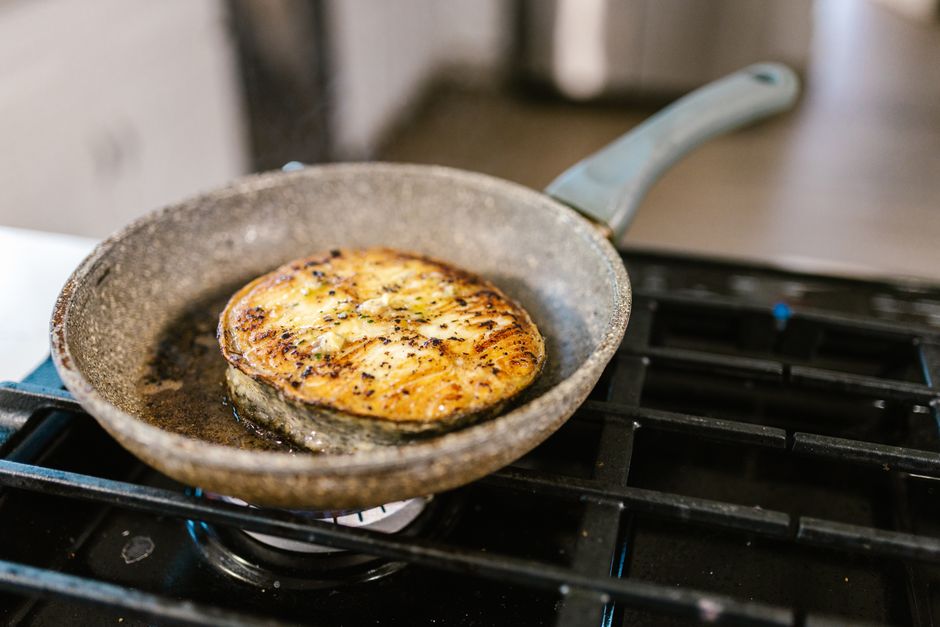
Yes, you can reheat salmon. The better question is how to do it without ending up with a dry, fishy, or rubbery piece of fish. Reheated salmon can be just as good as fresh if you use the right method and understand why it sometimes turns out poorly. This guide covers safe reheating, the best techniques, and what to avoid.
Can You Reheat Salmon
You can absolutely reheat cooked salmon. The challenge is that salmon is a delicate fish with a relatively low fat content compared to something like mackerel. Reheating too quickly or at too high a temperature drives out moisture and can cause the fishy smell to become stronger. With gentle, controlled heat you can keep the texture pleasant and the flavor mild.
Why Does Reheated Salmon Sometimes Taste Bad
Two main things happen when you reheat salmon poorly. First, the remaining moisture evaporates, leaving the flesh dry and flaky in an unappealing way. Second, the omega-3 fatty acids in salmon are prone to oxidation when exposed to heat and air. This oxidation is what produces that strong “fishy” aroma and taste. The longer the salmon sits after cooking, the more these compounds develop. Reheating accelerates the process.
Additionally, if the salmon was originally cooked to well-done, reheating it pushes it even further past the point of ideal doneness. The proteins tighten and squeeze out more liquid. This is why leftover salmon can become tough and chalky.
Best Ways to Reheat Salmon Without Drying It Out
The goal is to warm the fish through without continuing to cook it. Low, indirect heat works best. Here are the most reliable methods.
Oven Method
Preheat your oven to 275°F (135°C). Place the salmon on a baking sheet lined with parchment paper or foil. To add moisture, lightly brush the fish with olive oil or place a damp paper towel over it. Heat for about 10 to 15 minutes, depending on thickness. The internal temperature should reach 165°F as measured with a food thermometer. This method is gentle and produces even results.
Skillet Method
Use a nonstick or cast-iron skillet over medium-low heat. Add a small amount of butter or oil to the pan. Place the salmon skin-side down if it has skin. Add a tablespoon of water or broth to the pan and immediately cover it with a lid. The steam helps warm the fish without drying it out. Heat for about 3 to 4 minutes, then remove the lid and let any excess moisture evaporate for 1 minute.
Microwave Method
The microwave is the fastest method but also the riskiest for texture. If you must use it, place the salmon on a microwave-safe plate and cover it with a damp paper towel. Microwave on low power (30-50% power) in 30-second bursts until just warm. Stop before the fish looks dry or starts to shrivel. Microwaving on high power for a full minute will almost always ruin the texture.
Air Fryer Method
Preheat the air fryer to 300°F (150°C). Lightly oil the basket or the salmon. Cook for 3 to 5 minutes, checking frequently. Air fryers circulate hot air and can dry out fish quickly, so lower temperatures and shorter times are essential. This method works best for crispier coatings or teriyaki-style glazed salmon.





Is It Safe to Reheat Salmon
Yes, as long as you follow standard food safety rules. Cooked salmon should be refrigerated within two hours of cooking (one hour if the room temperature is above 90°F). It keeps for 3 to 4 days in the refrigerator at or below 40°F. When reheating, the internal temperature must reach 165°F to kill any bacteria that may have grown during storage. Using a food thermometer is the only reliable way to confirm this.
Never leave reheated salmon sitting out at room temperature for more than two hours. Leftovers that have been reheated should not be refrigerated again and reheated a second time. Reheat only the portion you plan to eat.
Can You Reheat Salmon More Than Once
No, you should only reheat salmon once. Each time you cool and reheat food, it passes through the temperature danger zone (40°F to 140°F) where bacteria can multiply. Reheating a second time increases the risk of foodborne illness, even if the food looks or smells fine. It also degrades the texture further. Reheat only what you will eat immediately.
Better Alternatives to Reheating Salmon
Sometimes the best way to enjoy leftover salmon is not to reheat it at all. Cold cooked salmon works well in many dishes and retains its moisture and flavor. Flake it over a green salad, mix it into pasta with olive oil and lemon, or make salmon salad sandwiches with mayonnaise, celery, and herbs. You can also add cold salmon to grain bowls or omelets without reheating the fish separately. These options eliminate any risk of drying or off-flavors.
Frequently Asked Questions
Can you reheat salmon in the microwave?
Yes, but it is the method most likely to dry out the fish or make it smell fishy. Use low power and cover with a damp paper towel, warming in short bursts.
How do you reheat salmon without it drying out?
The oven at 275°F with a light coating of oil or a damp cover is the most reliable method. The skillet with a lid and a splash of water also works well.
How long does cooked salmon last in the fridge?
Cooked salmon keeps for 3 to 4 days when stored in an airtight container at 40°F or below. Discard it after that time even if it looks fine.
Can you reheat leftover salmon twice?
No. Reheat salmon only once to reduce the risk of bacterial growth and to avoid further drying. Take out only the portion you plan to eat.
