
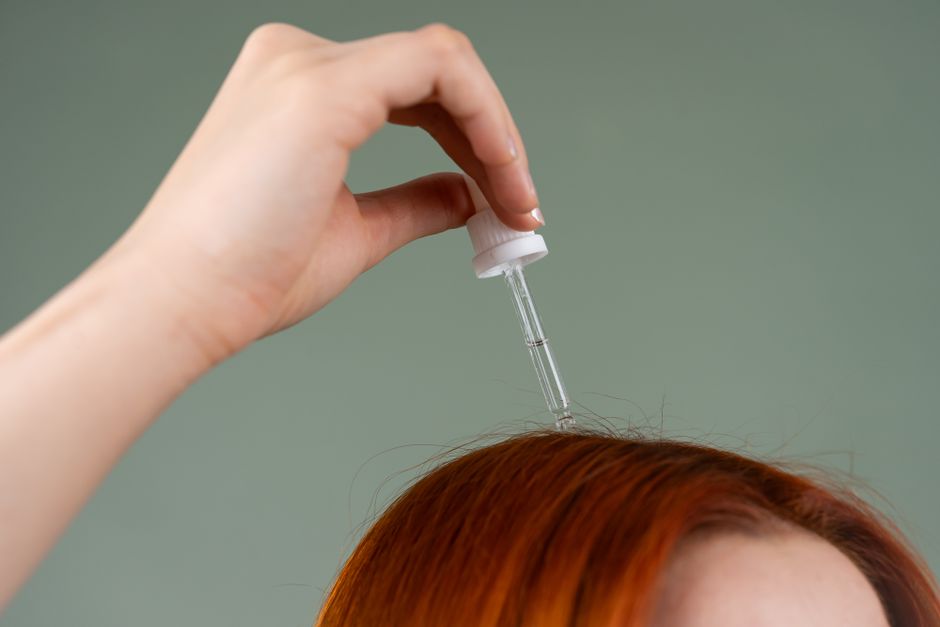
No, you should not put hair dye on wet hair. Hair dye is designed to be applied to dry, unwashed hair, and applying it to wet hair can dilute the formula, change how evenly the color takes, and weaken the final result. The one exception is box dyes that explicitly tell you to apply them to damp or wet hair — in that case, follow the instructions on that specific product.
The confusion comes from mixed advice online. Some people swear wet hair works better. Others say it ruined their color. The truth sits in how hair dye chemistry actually works, and it is worth understanding before you squeeze that tube.
Can You Put Hair Dye On Wet Hair?
Hair dye should go on dry hair. This is the standard instruction from most permanent and demi-permanent dye manufacturers, and it exists for practical chemical reasons.
When hair is wet, the cuticle — the outer layer of the hair shaft — swells and lifts slightly. Water fills the spaces inside the hair. That changes two things. First, it dilutes the dye mixture as it sits on the hair, which can make the color deposit weaker or less predictable. Second, it interferes with how evenly the dye absorbs, because wet patches and dry patches take up color at different rates.
There is also a simple application problem. Wet hair clumps together. It is harder to see where you have already applied dye, harder to section cleanly, and harder to saturate the roots evenly. Uneven application is one of the most common causes of patchy color.
The exception matters. A small number of products — typically some semi-permanent or direct dyes, and certain box kits — are formulated to go on damp or towel-dried hair. These are not the same as standard permanent dye. If your product instructions say wet or damp hair, that instruction overrides the general rule. The manufacturer tested that formula with that method.
Why Does Wet Hair Change How Dye Works?
Hair is not a solid tube. It is a layered structure with an outer cuticle made of overlapping scales, and a cortex underneath that holds the pigment. Dye has to get past the cuticle to work.
In permanent dye, a chemical process lifts the cuticle and allows new pigment to enter the cortex while the natural pigment is lightened. That process depends on a fairly controlled environment. Water already inside the hair changes the balance. The dye has to compete with water for space, and the developer — the part of the mixture that drives the chemical reaction — is working in a diluted setting rather than a concentrated one.
For semi-permanent and direct dyes, the mechanism is different. These deposit color on the outside of the cuticle rather than opening the hair shaft. Some of these formulas do work on damp hair because the slight cuticle lift can help color attach. This is why blanket rules like “never dye wet hair” are not quite accurate. The right answer depends on the product.
Here is a point most people miss: the issue is not just wet versus dry. It is clean versus dirty. Most permanent dyes are meant to go on hair that has not been washed for a day or two. Natural oils on the scalp offer some protection during the process, and the hair is in a more stable state. Washing right before dyeing strips those oils and can make the scalp more sensitive.
What Happens If You Dye Wet Hair By Mistake?
Usually nothing dramatic. The most likely outcomes are uneven color, a result that comes out lighter or weaker than expected, or color that fades faster than it should.
How much difference it makes depends on how wet the hair was. Hair that is dripping wet will dilute the dye far more than hair that is slightly damp. A quick towel dry is not the same as stepping out of the shower.
If you have already applied dye to wet hair, there is not much to do mid-process except follow the timing on the box and see how it develops. Do not extend the time beyond the instructions to “compensate.” Leaving dye on longer than directed does not reliably produce a better result and can increase scalp irritation and hair damage. If the color comes out uneven, wait before trying to fix it. Re-dyeing too soon compounds the chemical stress on the hair.
If you notice scalp burning, stinging that does not settle, or swelling during the process, rinse immediately and seek medical advice. Allergic reactions to hair dye are uncommon but real, and they are not something to wait out.




Should You Wash Your Hair Before Dyeing It?
For most permanent and demi-permanent dyes, no. The general guidance is to dye hair that is dry and has not been freshly washed — often described as second-day hair.
The reasoning is reasonable but worth stating honestly: natural scalp oils are thought to provide some barrier against irritation from the dye and developer, and unwashed hair is in a more stable state for even color uptake. This is widely taught in cosmetology training and reflected in most product instructions. It is not the subject of large clinical trials, but it is consistent, long-standing professional practice.
There are exceptions. If your hair has heavy product buildup — styling gels, dry shampoo, oils — that can block dye from reaching the hair evenly. In that case, a gentle wash the day before (not right before) is a reasonable middle ground. Some stylists prefer clean, dry hair for certain services. Ask the person doing your color what they want, and follow it.
What you should avoid is washing your hair immediately before dyeing. That leaves the scalp more exposed and the hair wetter than the dye was designed for.
What About Semi-Permanent Dyes And Color Depositing Products?
Semi-permanent and color-depositing products are a different category, and many of them are designed for damp hair.
These products do not use the same lift-and-deposit chemistry as permanent dye. They coat or lightly stain the outside of the hair. Because they work on the surface rather than inside the shaft, the wet-hair rule does not apply the same way. In fact, some of these products spread more evenly on damp hair.
The key is the label. Products vary a lot in this category, and there is no universal rule. A color-depositing conditioner and a semi-permanent dye are not the same thing, even though both are often called “semi-permanent” in casual conversation. Read the instructions for the specific product you are using. If it says dry hair, use dry hair. If it says damp, damp is fine.
How Should You Prepare Hair For Dyeing?
Preparation matters more than most people realize, and it is where a lot of uneven results come from.
- Start with dry hair. Unless the product says otherwise, hair should be fully dry before application.
- Skip the wash right before. Dye hair that has not been freshly washed, ideally a day or two after your last shampoo.
- Clear heavy buildup. If you use a lot of styling product, a gentle wash the day before helps dye reach the hair evenly.
- Do a patch test. Most dye kits recommend testing on a small area of skin before full application. This is the standard way to check for allergic reaction. Do not skip it, especially if you have never used that brand.
- Section and detangle. Comb dry hair so it is tangle-free. Work in sections so you can see what you have covered.
- Protect your skin and surfaces. Apply a barrier cream or petroleum jelly around the hairline, and wear gloves. Dye stains skin and fabric.
One more thing worth knowing: if your hair is damaged, porous, or previously chemically treated, it can absorb dye faster and more unevenly than healthy hair. Porous hair tends to grab color quickly and can come out darker than expected. This is a real effect and one reason a strand test before full application is useful, particularly when changing color significantly.
Does Wet Hair Affect Color Results Long Term?
Not directly. Once the dye has developed and been rinsed, the wet-versus-dry question is over. What affects long-term color is what happens afterward.
Color fades with washing, sun exposure, heat styling, and time. Washing less often, using cooler water, and protecting hair from heat all help color last longer. These are general practices rather than guarantees, and how fast color fades varies a lot from person to person based on hair type, porosity, and how the color was applied.
If a dye job came out uneven because it went on wet hair, the fix is usually a correction later — not another round of dye immediately. Give the hair time to recover. Repeated chemical processing in a short window is one of the more reliable ways to cause real damage.
Frequently Asked Questions
Can you put hair dye on wet hair?
No, standard permanent and demi-permanent dyes should go on dry hair. Wet hair dilutes the formula and can cause uneven or weaker color. Follow your product’s instructions if it specifically says damp or wet hair.
What happens if you dye your hair while it’s wet?
The color may come out uneven, lighter than expected, or fade faster. How much it matters depends on how wet the hair was. Slightly damp hair is less of an issue than dripping wet hair.
Should I wash my hair before dyeing it?
Usually no. Most dyes work best on dry hair that has not been freshly washed, often a day or two after shampooing. If you have heavy product buildup, a gentle wash the day before is a reasonable compromise.
Can you dye your hair right after a shower?
No, it is better to wait. Hair should be fully dry before applying standard dye, and freshly washed hair lacks the natural scalp oils that offer some protection during the process.
