
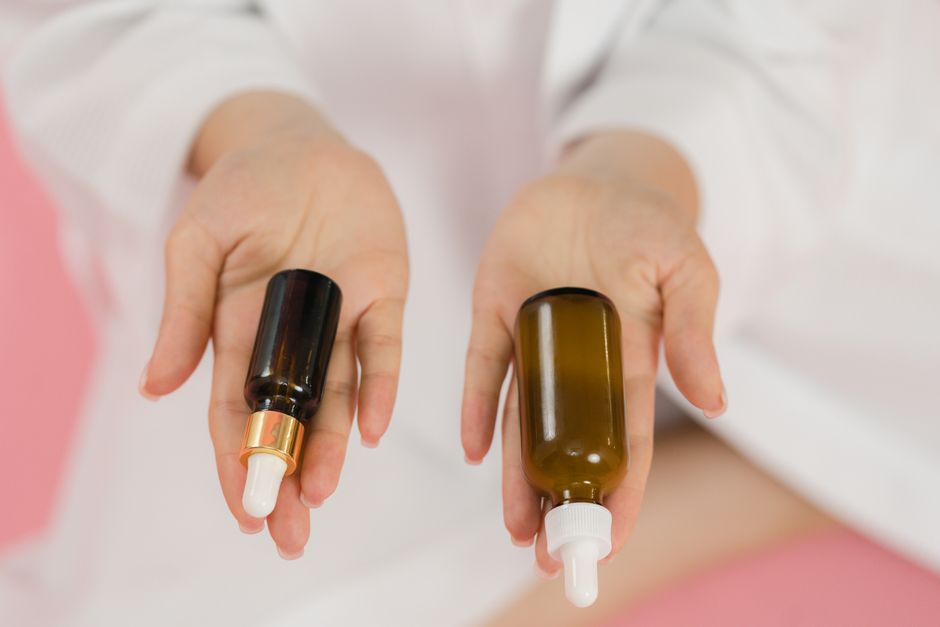
Yes, you can put essential oils on your skin, but never without a carrier oil first. Essential oils are highly concentrated plant extracts. Applied directly, they can cause irritation, burns, or allergic reactions. The safe practice is to dilute them properly before any skin contact.
Why Can’t You Use Essential Oils Directly on Skin?
Essential oils are volatile compounds. They evaporate quickly and penetrate the skin rapidly. This speed is why they are so potent. But that same potency makes them dangerous when undiluted.
Most essential oils have a pH and chemical structure that can disrupt the skin’s protective barrier. The skin’s barrier is slightly acidic. Many essential oils are not. This mismatch can strip away natural oils and cause irritation.
Some oils, like citrus oils, are photosensitizing. They make your skin more sensitive to sunlight. Applying them and going outside can lead to severe burns or dark patches. This effect can last for days after application.
Certain oils are known irritants even when diluted. Cinnamon, clove, oregano, and lemongrass are common examples. They contain compounds that trigger skin reactions in many people. Dilution reduces the risk but does not eliminate it entirely.
What Is the Correct Dilution Ratio?
The standard guideline for most adults is a 2% dilution. This means about 12 drops of essential oil per ounce of carrier oil. For a teaspoon of carrier oil, use about 2 drops.
For sensitive skin, children, or the elderly, use a 1% dilution. That is about 6 drops per ounce. For facial applications, many experts recommend staying at 1% or lower. The face has thinner skin than the rest of the body.
For spot treatments, like a small blemish, a 5% dilution is sometimes used. This is about 30 drops per ounce. But this is only for tiny areas. Never use this strength on large body surfaces.
No clinical guidelines exist for essential oil use in pregnancy. Many healthcare providers advise caution. Some oils are traditionally avoided during pregnancy, but evidence is limited. Talk to your doctor before using any essential oils if you are pregnant or breastfeeding.
Which Carrier Oils Should You Use?
Carrier oils dilute the essential oil and slow its absorption. They also add their own skin benefits. Choose a carrier oil that suits your skin type.
Common carrier oils include:
- Jojoba oil — closest to human sebum, good for most skin types
- Coconut oil — thick and moisturizing, may clog pores for some
- Sweet almond oil — light and easily absorbed
- Grapeseed oil — very light, good for oily skin
- Argan oil — rich in vitamin E, good for dry skin
Jojoba is often recommended for facial use. It does not go rancid quickly and absorbs well. Coconut oil is solid at room temperature and needs warming before mixing.
Do not use petroleum jelly or mineral oil as carriers. They sit on top of the skin. They do not allow the essential oil to penetrate properly. This can alter how the oil behaves on your skin.
How Do You Test for a Skin Reaction?
Always do a patch test before using any new essential oil. This is not optional. Even oils you have used before can cause reactions if the batch is different or your skin has changed.
Mix a small amount of your diluted blend. Apply it to a small area of skin, like the inside of your forearm. Cover it with a bandage. Wait 24 hours. If redness, itching, or swelling develops, wash the area and do not use that oil.
Some reactions take longer to appear. Wait a full 48 hours if you have sensitive skin. A negative patch test does not guarantee safety. It only shows that your skin did not react within that window.
If you experience burning, stinging, or visible redness immediately after applying, wash it off right away. Do not wait to see what happens. Rinse with a mild soap and cool water.
Which Essential Oils Are Safest for Skin?
Some oils have a better safety record than others. Lavender, tea tree, chamomile, and frankincense are among the most studied for topical use. They are generally well tolerated when properly diluted.
Lavender is one of the most versatile. It is often used for minor skin irritation and to support relaxation. Tea tree is commonly used for blemishes. Research has examined its antibacterial properties, though results are mixed.
Chamomile is gentle and often recommended for sensitive skin. Frankincense is sometimes used in anti-aging routines. None of these are guaranteed safe for everyone. Individual reactions still occur.
Oils to treat with extra caution include:
- Citrus oils (bergamot, lemon, lime, grapefruit) — photosensitizing
- Spice oils (cinnamon, clove, nutmeg) — strong irritants
- Oregano and thyme — can burn even when diluted
- Peppermint — cooling but can irritate sensitive skin
- Eucalyptus — may cause reactions on broken skin
No essential oil is universally safe. The safest approach is to know the specific oil you are using and test it carefully.
Can You Put Essential Oils on Your Skin for Specific Conditions?
People use essential oils for many skin concerns. The evidence supporting these uses varies widely. Some have research behind them. Many do not.
Tea tree oil has the strongest evidence for acne. Some studies suggest it can reduce mild to moderate acne. But it is not as effective as prescription treatments. It also causes contact dermatitis in some people.
Lavender is often used for minor cuts and scrapes. Some research suggests it has antimicrobial properties. But it is not a substitute for proper wound care. Clean wounds with soap and water first. Do not apply essential oils to deep or infected wounds without medical advice.
For eczema and psoriasis, some people find relief with certain oils. The evidence is limited and inconsistent. No essential oil is approved to treat these conditions. If you have a chronic skin condition, see a dermatologist before self-treating.
Claims that essential oils can treat skin cancer or serious infections are not supported by evidence. No essential oil has been shown to cure these conditions. Relying on them instead of medical treatment can be dangerous.
When Should You Avoid Putting Essential Oils on Skin?
Certain situations call for complete avoidance. If you have open wounds, broken skin, or active rashes, do not apply essential oils. They can delay healing and cause further irritation.
If you have a known allergy to a plant, you may react to its essential oil. For example, people allergic to ragweed may react to chamomile oil. People allergic to birch may react to wintergreen oil. Cross-reactions are possible.
Children under two years old should not have essential oils applied to their skin. Their skin is thinner and more permeable. Their bodies process chemicals differently. No clinical guidelines support safe use in this age group.
If you are taking medications, check for interactions. Some essential oils can affect how the body metabolizes drugs. This is especially true for oils like grapefruit, which interferes with certain enzymes in the liver.
What Happens If You Use Undiluted Essential Oils?
Using undiluted essential oils can cause chemical burns. This is not an exaggeration. The concentrated compounds damage skin cells on contact. The burn may not appear immediately. It can take hours to become visible.
Some oils cause a sensation of warmth or heat. This is a warning sign. If you feel burning, the oil is damaging your skin. Wash it off immediately with soap and water. Do not use water alone. Oil and water do not mix.
If you get essential oil in your eyes, flush with cool water for at least 15 minutes. Seek medical attention if irritation persists. Essential oils in the eyes can cause corneal damage.
If you experience a severe reaction, blistering, or swelling, see a doctor. Allergic reactions can be serious. Do not try to treat a severe reaction at home.
How Long Do Essential Oils Stay on Your Skin?
Essential oils absorb quickly. Most penetrate the skin within minutes. But their effects and presence can last for hours. This depends on the oil, the carrier, and your skin type.
Thicker carrier oils slow absorption. Thinner ones speed it up. Your skin’s hydration level also matters. Dry skin absorbs oils faster than well-moisturized skin.
For most diluted blends, you can wash them off after 30 minutes to an hour if you wish. There is no requirement to leave them on longer. Some people prefer to apply them before bed and wash in the morning. This is a personal choice, not a medical recommendation.
If you are using citrus oils, remember that photosensitivity can last up to 72 hours. Washing your skin does not fully eliminate this risk. Avoid sun exposure for several days after using these oils.
Frequently Asked Questions
Can I put essential oils directly on my skin?
No, you should never apply undiluted essential oils directly to your skin. Always mix them with a carrier oil first to prevent burns and irritation.
How many drops of essential oil per tablespoon of carrier oil?
For a 2% dilution, use about 6 drops of essential oil per tablespoon of carrier oil. For sensitive skin, reduce this to 3 drops.
What carrier oil is best for essential oils on the face?
Jojoba oil is often recommended for facial use because it closely resembles the skin’s natural oils. It absorbs well and is less likely to clog pores than heavier oils.
Can essential oils cause chemical burns?
Yes, undiluted essential oils can cause chemical burns and severe skin damage. This is a documented risk, not a rare occurrence, especially with strong oils like cinnamon or oregano.
