

Yes, you can overdose on estrogen — but the meaning of that word depends entirely on how the hormone is getting into your body. Estrogen from food or normal physiological production does not reach toxic levels. Estrogen from pills, patches, gels, or injections can accumulate far beyond what the body needs, and that excess carries real risks. The signs range from nausea and breast tenderness to blood clots and stroke, depending on the dose, the route, and how long the exposure lasts.
Can You Overdose On Estrogen Signs And Risks?
Estrogen overdose is not a single condition. It is a spectrum of problems that share one cause: more estrogen activity in the body than the system can handle safely.
The word “overdose” usually makes people think of a single dangerous event — like taking too many pain pills at once. Estrogen does not work that way for most people. A true acute overdose is possible, most often when a large amount of estrogen medication is taken by accident or on purpose. But the more common scenario is estrogen excess: a slow buildup over weeks or months from a dose that is too high, a delivery method that absorbs too much, or a body that clears the hormone more slowly than expected.
Both situations matter. Both have warning signs. And both are worth understanding before you decide that a symptom is “just hormones” or that a dose is “probably fine.”
One clarification that gets lost in most online discussions: estrogen is not one substance. Estradiol, estrone, and estriol are different molecules with different potencies. Synthetic estrogens like ethinyl estradiol are far more powerful than the body’s own estradiol. A “high estrogen” level on a lab report means something different depending on which form is being measured and by which method.
What Counts As Too Much Estrogen?
There is no single universal number that defines estrogen overdose. Normal estradiol levels in premenopausal women fluctuate widely across the menstrual cycle. In men and postmenopausal women, normal estradiol levels sit in a much lower range. What is normal for one person can be abnormal for another.
Doctors generally look at three things together:
- The measured blood level of estradiol, interpreted against the person’s age, sex, and treatment context
- The symptoms the person is experiencing
- The dose and route of any estrogen medication being used
A level that looks high on paper may cause no symptoms at all. A level that looks normal may still cause problems if the person is unusually sensitive or if the estrogen is being delivered in a way that creates sharp peaks.
This is why self-diagnosing estrogen excess from a single lab value is unreliable. The number matters, but it does not mean much on its own.
What Are The Warning Signs Of Too Much Estrogen?
The signs of estrogen excess fall into a few general categories. Not everyone gets all of them. Some people get none until a serious event happens.
Common early signs:
- Breast tenderness, swelling, or new breast lumps
- Nausea or a general feeling of being unwell
- Bloating and fluid retention
- Mood changes, irritability, or anxiety
- Headaches, sometimes migraines
- Irregular vaginal bleeding or spotting in women
- Reduced sex drive in men
- Erectile difficulty in men
Signs that suggest a more serious problem:
- Swelling, pain, or warmth in one leg — possible deep vein thrombosis
- Sudden shortness of breath or chest pain — possible pulmonary embolism
- Sudden severe headache, vision changes, weakness on one side, or trouble speaking — possible stroke
- Yellowing of the skin or eyes — possible liver problem
- Severe abdominal pain — possible pancreatitis or other organ involvement
Any of the serious signs above need emergency medical attention. They are not “wait and see” symptoms.
The reason these complications happen is not mysterious. Estrogen affects how the liver produces clotting factors, and it can shift the balance toward clotting. That is why estrogen-containing medications carry a known risk of blood clots, and why that risk is higher in people who smoke, are older, are immobile for long periods, or have certain inherited clotting disorders.




How Does Estrogen Overdose Happen?
Most cases of estrogen excess come from one of a few situations.
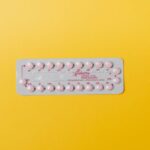
Medication dose too high. Hormone therapy for menopause symptoms, gender-affirming hormone therapy, and hormonal contraception all use estrogen at doses that are meant to be adjusted to the individual. If the starting dose is too high or the dose is not reduced when symptoms suggest excess, levels can climb.
Absorption differences. Patches, gels, and sprays do not deliver estrogen the same way for everyone. Skin absorption varies. A dose that works well for one person may overshoot for another.
Drug interactions. Some medications and supplements change how quickly the liver breaks down estrogen. When clearance slows, levels rise even if the dose has not changed.
Liver function. The liver is the main organ that clears estrogen from the body. If liver function is reduced for any reason, estrogen can accumulate.
Body fat. Fat tissue produces estrogen through a process called aromatization. People with more body fat tend to have higher baseline estrogen levels, which can matter when estrogen medication is added on top.
Accidental or intentional overdose. Taking a large number of estrogen pills at once is uncommon but possible. This is a medical emergency and needs immediate care.
One point that often surprises people: estrogen from food — such as soy — does not cause estrogen overdose. Plant compounds called phytoestrogens are much weaker than human estrogen and do not raise blood estradiol to dangerous levels in normal dietary amounts.
Who Is At Higher Risk?
Some people are more vulnerable to estrogen excess than others. The reasons are well established.
- People who smoke. Smoking increases the clot risk from estrogen medications substantially.
- People over 35 who use combined hormonal contraception. Age and smoking together raise cardiovascular risk.
- People with a history of blood clots, stroke, or heart attack.
- People with known clotting disorders such as factor V Leiden or antithrombin deficiency.
- People with liver disease.
- People who are immobile for long periods after surgery or during illness.
- People with migraines with aura. Estrogen can worsen these and is sometimes avoided for that reason.
- People taking certain medications that interfere with estrogen metabolism.
This does not mean these groups cannot use estrogen medications. It means the risk-benefit conversation needs to be more careful, and monitoring may need to be closer.
What Should You Do If You Think You Have Too Much Estrogen?
Do not stop or change a prescribed estrogen medication on your own. Abrupt changes can cause their own problems, especially with hormone therapy or gender-affirming care.
What you should do:
- Write down your symptoms, when they started, and how they have changed
- Contact the clinician who prescribed the medication
- Ask whether a blood level check is appropriate
- Report any new leg swelling, chest pain, or breathing changes immediately — go to emergency care
If you suspect an accidental overdose of estrogen pills, call Poison Control right away. Do not wait for symptoms.
For most people with mild symptoms, the fix is straightforward: adjust the dose, change the delivery method, or address an interacting medication. The symptoms usually improve once levels come down.
Can Estrogen Overdose Be Prevented?
Prevention comes down to careful prescribing and honest reporting.
Tell your clinician about every medication and supplement you take, including ones you consider harmless. Some common supplements affect how the liver processes estrogen.
Report side effects early rather than waiting to see if they go away. Early breast tenderness or nausea after starting estrogen is often a signal that the dose needs review.
Keep follow-up appointments. Blood levels, blood pressure, and symptom checks are how problems get caught before they become serious.
If you smoke and use estrogen medication, ask your clinician about the clot risk. This is one of the most modifiable risk factors there is.
The evidence on estrogen risks is strong for clotting and cardiovascular events. The evidence on subtler long-term effects — like mood, cognition, or cancer risk with different formulations — is more mixed and depends heavily on the specific drug, dose, route, and duration. That is why the same medication can be appropriate for one person and not for another.
Frequently Asked Questions
Can you overdose on estrogen pills?
Yes, taking too many estrogen pills at once is a medical emergency and needs immediate care. Chronic excess from a dose that is too high is more common and causes symptoms over weeks or months.
What are the first signs of too much estrogen?
Early signs often include breast tenderness, nausea, bloating, headaches, and mood changes. In women, irregular bleeding or spotting can also be a signal.
Can estrogen cause blood clots?
Yes, estrogen medications increase the risk of blood clots, especially in people who smoke, are older, or have clotting disorders. Leg swelling, chest pain, or shortness of breath need emergency evaluation.
Does soy cause estrogen overdose?
No, phytoestrogens in soy are much weaker than human estrogen and do not raise blood estradiol to dangerous levels in normal dietary amounts.
