
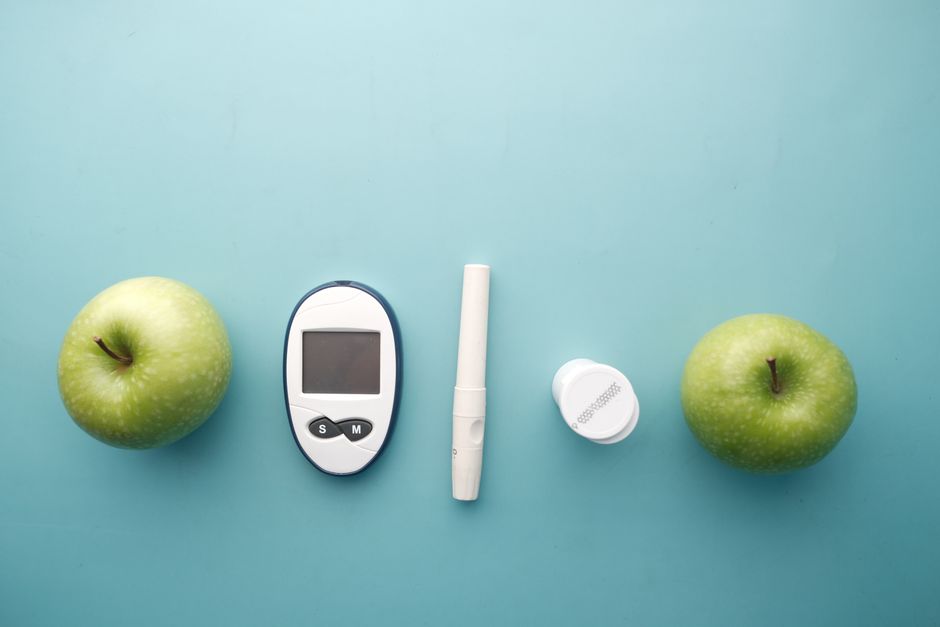
No, you cannot make a reliable glucose control solution at home. A glucose control solution is a liquid with a known, verified amount of glucose in it, used to check that a blood glucose meter and its test strips are working correctly. Getting that known value right requires laboratory-grade measuring equipment and pure chemicals. A kitchen scale and grocery-store ingredients cannot produce a solution accurate enough to trust for diabetes care.
That answer surprises people, because the idea sounds simple. If you know how much sugar is in water, you know the glucose level. The problem is in the word “know.” A control solution only has value if its glucose concentration is confirmed to a high standard. A homemade mix is a guess, and a guess cannot validate a medical device.
What Is Glucose Control Solution Actually For?
Control solution is a quality-check liquid for your meter, not a treatment and not a substitute for a blood test. It contains a set amount of glucose in a water-based fluid that behaves like blood when it touches a test strip.
When you apply a drop to a strip, the meter should read close to the value printed on the control solution bottle. If it does, your meter and strips are likely working properly. If the reading falls outside the printed range, something is wrong — the meter, the strips, or the solution itself.
The key detail is that printed range. Manufacturers test each batch and assign an acceptable range, which is usually shown on the bottle or the insert that comes with it. Your meter reading does not have to match a single number exactly. It has to land inside that range.
A homemade solution has no verified value and no assigned range. Even if it happened to contain the right amount of glucose, you would have no way to prove it. Without a known reference point, the test tells you nothing.
Why Can’t You Just Mix Sugar and Water at Home?
Because measuring a precise glucose concentration is much harder than it looks. Three problems make a kitchen version unreliable.
- Measurement accuracy. A blood glucose meter reads in milligrams per deciliter (mg/dL). Control solutions are made to match specific values on that scale. Household measuring tools cannot weigh or measure to that level of precision.
- Ingredient purity. Table sugar is sucrose, not glucose. It also contains moisture and other compounds. A pure glucose standard needs a known, pure source of glucose.
- Stability and sterility. Control solutions are formulated to stay stable and free of contamination. A homemade mix can grow bacteria and its concentration can drift as water evaporates.
There is also a chemistry issue. Sucrose is a disaccharide — two sugar units bonded together. Test strips are designed to react with glucose, a single sugar unit. Sucrose does not behave the same way on a strip, so a sucrose solution would not give a meaningful reading even if you measured it perfectly.
This is the part most people miss. The obstacle is not just precision. It is that the wrong sugar will not react the way the strip expects.
Is There Any Safe Way to Check Your Meter Without Control Solution?
There is no home substitute that replaces control solution for verifying accuracy. If you are out of solution, the honest options are limited.
You can check the basics. Confirm the strips are not expired. Make sure the strip is fully inserted. Check that the meter and strips are stored at the temperature range the manufacturer states. Confirm the code or chip matches the strip lot if your meter requires it. These steps catch common errors but do not confirm the meter reads glucose correctly.
You can also compare. Testing with a second meter, or comparing a meter reading against a laboratory result done around the same time, can reveal a large discrepancy. This is not a formal accuracy check, but a big gap is worth investigating.
The most reliable path is to get more control solution. It is sold by meter manufacturers and is specific to the meter brand or strip type. You cannot swap one brand’s solution for another and expect a valid result.



When Should You Use Control Solution?
Manufacturers and clinicians generally suggest using control solution in specific situations rather than every day. Common times include opening a new bottle of strips, when you suspect the meter or strips were damaged, after the meter has been dropped, or when a reading does not match how you feel.
If you use insulin, an inaccurate meter is a real safety concern. Insulin dosing depends on accurate glucose readings. A meter that reads too high or too low can lead to the wrong dose. In that situation, verifying meter accuracy matters more than it does for someone monitoring without insulin.
Follow the instructions that came with your specific meter. Guidance varies between devices, and the manufacturer’s directions take priority over general advice.
What Happens If You Use a Homemade Solution?
The main risk is a false sense of security. If your homemade mix reads in a range that looks normal, you might conclude your meter is fine. That conclusion would be based on a number that means nothing.
A second risk is the opposite. A homemade solution could produce an odd reading and lead you to distrust a meter that is actually working correctly. Either way, you act on information that is not valid.
There is also a contamination concern. A solution made with tap water and stored in a household container can grow bacteria. Applying that to a test strip introduces a source of error and, depending on handling, a hygiene issue.
The bottom line is that a homemade solution does not do the one job control solution exists to do: confirm your meter is accurate against a known standard.
How Is Real Control Solution Made and Regulated?
Commercial control solutions are manufactured under controlled conditions with a verified glucose concentration. Each batch is tested, and the acceptable range is documented for the user. In the United States, blood glucose test systems, including their control solutions, fall under medical device oversight.
That oversight is the difference. A regulated product carries a documented value you can rely on. A homemade mix carries no such assurance. The gap is not about effort or skill. It is about the equipment, the pure ingredients, and the verification steps that a home setting cannot replicate.
Some people ask whether they could buy pure glucose and a precise scale and make their own. Even with those tools, you would still lack a way to verify the final concentration against a trusted reference. Verification is the whole point, and it requires a standard you do not have at home.
What Should You Do Instead?
Buy control solution made for your meter. It is inexpensive compared to the cost of acting on a wrong reading. Keep it stored as the label directs and note the expiration date.
If cost or access is a barrier, talk to your pharmacist or diabetes care team. They can point you to the right product for your device and explain how often to use it.
If you are worried your meter is inaccurate, do not try to build a test. Contact the manufacturer or your care team. They can help you troubleshoot or arrange a replacement.
Frequently Asked Questions
Can you make glucose control solution at home?
No. A reliable control solution needs a verified glucose concentration and pure ingredients that cannot be reproduced accurately with household tools. A homemade mix has no known value, so it cannot confirm your meter is working.
Can I use sugar water to test my glucose meter?
No. Table sugar is mostly sucrose, which does not react on a test strip the way glucose does, so the reading would be meaningless. Even pure glucose dissolved at home could not be measured precisely enough to serve as a standard.
What can I use if I run out of control solution?
There is no safe homemade substitute. Check that your strips are not expired and stored correctly, then get new control solution made for your specific meter as soon as you can.
How often should I use control solution?
Follow your meter manufacturer’s instructions, which typically suggest using it with a new bottle of strips, after dropping the meter, or when a reading does not match how you feel. If you use insulin, ask your care team how often they recommend checking.
