
Yes, you can live with one lung. People do it every day. Some are born that way. Others lose a lung to cancer, trauma, or disease. The human body has enough reserve in the remaining lung to support a full life in most cases.
That said, “live with one lung” covers a wide range of experiences. A person who had a lung removed as a child may never think about it. Someone who lost a lung to cancer at 60 may notice real changes in breathing during exercise. The outcome depends on age, overall health, why the lung was removed, and how much the remaining lung can compensate.
What follows is what the physiology actually shows — not what people assume.
What Happens to Your Body When You Have One Lung?
The remaining lung expands to fill the space left behind. This is not a metaphor. It physically grows into the empty side of the chest cavity over weeks to months after surgery.
This process is called compensatory lung growth. It happens most dramatically in children, whose lungs are still developing. In adults, the remaining lung can stretch and its air sacs can enlarge, but it does not grow new alveoli — the tiny air pockets where oxygen enters the blood. The lung works with what it has, just more efficiently.
The diaphragm on the side where the lung was removed may rise higher than normal. The mediastinum — the central compartment of the chest that holds the heart and major blood vessels — can shift slightly toward the empty side. These changes are expected and usually harmless.
Breathing mechanics change too. With one lung, you rely entirely on that lung’s airways and blood vessels. The body compensates by increasing blood flow to the remaining lung and by breathing slightly deeper with each breath.
Can U Live With One Lung After Surgery or Cancer?
Yes. Lung removal surgery — called pneumonectomy — is a well-established procedure. Surgeons have performed it for decades, most often to treat lung cancer that cannot be removed with a smaller operation.
The key question is not whether you can live, but how well. Before recommending surgery, doctors assess lung function with breathing tests. They look at how much air you can exhale forcefully in one second (FEV1) and how well oxygen moves from your lungs into your blood. These measurements help predict whether the remaining lung can handle the workload.
Not everyone is a candidate. If the remaining lung is already damaged by emphysema, chronic bronchitis, or other disease, the risk of severe breathing problems after surgery is much higher. In those cases, doctors may recommend a smaller operation — removing only part of a lung — or a different treatment entirely.
Age matters too, but not as much as overall health. A healthy 70-year-old may tolerate pneumonectomy better than a 50-year-old with severe heart disease or poorly controlled diabetes.
How Does Breathing Change With One Lung?
At rest, most people with one lung breathe comfortably. They may not feel short of breath at all during normal daily activities like walking, cooking, or climbing a flight of stairs.
During exercise, the difference becomes more noticeable. The remaining lung has less reserve capacity. It can still deliver oxygen, but the ceiling is lower. Activities that once felt easy — running, hiking uphill, swimming laps — may feel harder or require more frequent breaks.
Some people describe a feeling of breathlessness that comes on faster than before. Others notice they recover more slowly after exertion. These changes are real, but they do not mean the lung is failing. They reflect the reduced surface area available for gas exchange.
Pulmonary rehabilitation programs can help. These structured exercise and breathing programs are often recommended after lung surgery. Research shows they improve exercise tolerance and quality of life, though they do not restore lost lung tissue.




What Is Life Like With One Lung Long-Term?
Most people with one lung live full, active lives. They work, travel, exercise, and do the things they did before — sometimes with adjustments.
Some find they need to pace themselves. They take breaks during physical tasks. They avoid high-altitude environments where oxygen is thinner. They may choose walking over running, or swimming over cycling.
Others notice no meaningful difference at all. This is especially true for people who were born with one lung or who had surgery at a young age. Their bodies adapted before they had a chance to compare.
Long-term survival after pneumonectomy varies widely. It depends heavily on why the surgery was done. For lung cancer, survival is driven primarily by the cancer stage and whether it was fully removed — not by the number of lungs. For non-cancer reasons like trauma or infection, long-term outcomes are generally good in otherwise healthy people.
What Are the Risks of Living With One Lung?
The main risk is reduced breathing reserve. If the remaining lung becomes diseased or injured, there is no backup. This makes prevention more important than it would be for someone with two lungs.
Respiratory infections are a particular concern. Pneumonia or severe bronchitis can hit harder when you only have one lung. That is why doctors often recommend annual flu vaccination and other standard immunizations for people with reduced lung capacity.
Smoking is especially harmful. It accelerates lung function decline and raises the risk of cancer in the remaining lung. For anyone with one lung, quitting smoking is not just advisable — it is one of the most important things you can do to protect your long-term health.
Some people develop a condition called post-pneumonectomy syndrome. This happens when the remaining lung over-expands and the airway gets compressed. It is uncommon, but it can cause shortness of breath or recurrent infections. It is more likely in younger people and those who had surgery on the right lung.
Regular follow-up with a pulmonologist is standard after lung removal. These visits help catch problems early, before they become serious.
Can You Exercise and Stay Active With One Lung?
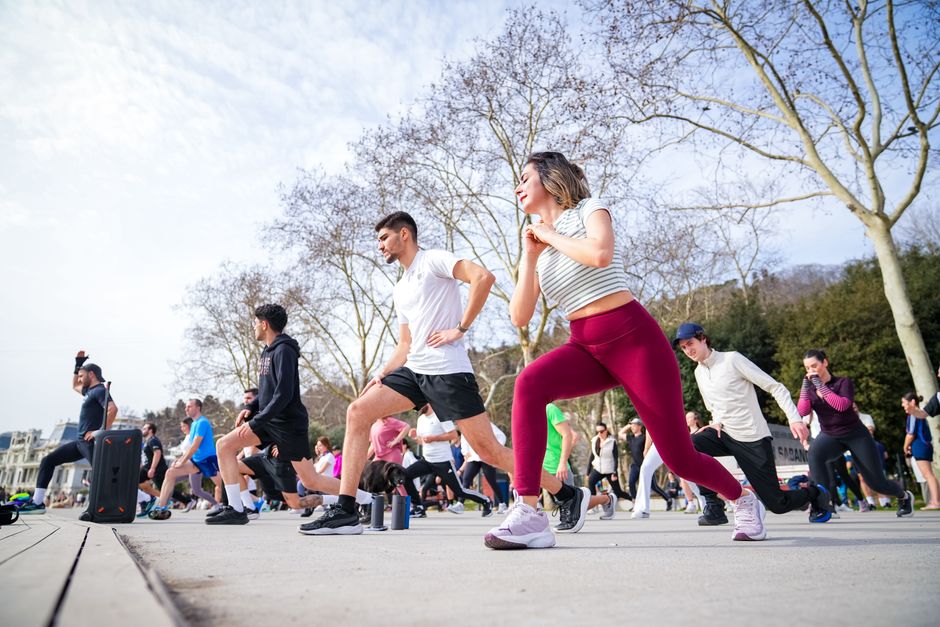
Yes, and you should. Physical activity helps the remaining lung work more efficiently. It strengthens the muscles involved in breathing, improves circulation, and supports overall cardiovascular health.
But the approach matters. Start slowly. Build gradually. Stop if you feel dizzy, have chest pain, or become severely short of breath. These are signs to check with your doctor.
Aerobic activities like walking, cycling, or swimming are generally well tolerated. Strength training is also fine for most people. The goal is not to push through breathlessness but to find a sustainable pace.
Some people use supplemental oxygen during exercise if their blood oxygen levels drop too low. This is determined by testing, not by how you feel. A doctor can measure oxygen saturation during activity and recommend oxygen if needed.
Pulmonary rehabilitation programs are designed specifically for people with reduced lung function. They combine supervised exercise with breathing techniques and education. Studies consistently show they improve exercise capacity and reduce breathlessness.
What About Being Born With One Lung?
Some people are born with only one lung. This is a rare congenital condition called pulmonary agenesis. It happens during fetal development when one lung fails to form.
People born with one lung often have no symptoms. Their remaining lung grows larger to compensate, and they may never know they have the condition unless it is discovered during an imaging test for another reason.
Others may have associated abnormalities in the heart, spine, or other organs. In those cases, symptoms and outcomes depend on the specific abnormalities present.
For most people with isolated pulmonary agenesis — meaning no other organ involvement — life expectancy and quality of life are normal. They can exercise, work, and live without restrictions.
Frequently Asked Questions
Can you live a normal life with one lung?
Yes, most people with one lung live full, active lives. Some notice breathlessness during intense exercise, but daily activities are usually unaffected.
How long can a person live with one lung?
There is no fixed limit. Long-term survival depends mainly on why the lung was removed and the health of the remaining lung, not on the number of lungs alone.
What is the life expectancy after lung removal surgery?
Life expectancy varies widely based on the underlying condition, age, and overall health. For non-cancer reasons in healthy people, outcomes are generally good.
Can you exercise with one lung?
Yes, exercise is recommended and helps the remaining lung work more efficiently. Start slowly and check with your doctor before beginning a new routine.
