
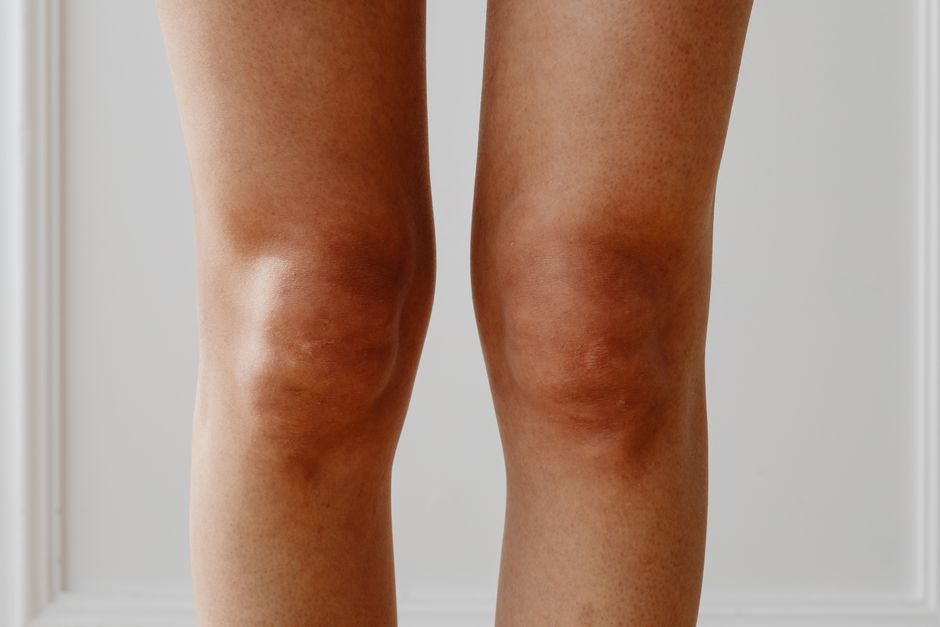
Yes, you can absolutely have gout in your knee. While gout most famously strikes the big toe, it is a systemic condition that can affect any joint in the body, including the knees, ankles, wrists, and elbows. The knee is actually one of the more common sites for gout attacks after the foot.
What Is Gout and How Does It Reach the Knee?
Gout is a form of inflammatory arthritis. It happens when your body has too much uric acid in the blood. Over time, that uric acid can form sharp, needle-like crystals inside a joint.
When those crystals lodge in the knee joint, the body’s immune system attacks them. That immune response causes sudden, severe pain, swelling, redness, and warmth. The knee is a large joint with a lot of space, so a gout flare there can feel especially intense and can cause significant stiffness.
Uric acid is a normal waste product. Your body makes it when it breaks down purines, which are compounds found naturally in your body and in certain foods. Most people filter uric acid out through their kidneys. But if you produce too much or your kidneys do not remove enough, levels rise.
How Do You Know It Is Gout and Not Something Else?
The tricky part is that a swollen, painful knee is not unique to gout. Several other conditions look almost identical. These include:
- Septic arthritis (a bacterial infection in the joint)
- Pseudogout (crystals of calcium pyrophosphate, not uric acid)
- Knee injury or ligament damage
- Rheumatoid arthritis
- Osteoarthritis flare
Because the symptoms overlap so much, doctors do not rely on symptoms alone. The only way to confirm gout with certainty is to take a sample of fluid from the knee joint with a needle. This is called arthrocentesis. A specialist examines that fluid under a microscope to look for uric acid crystals.
If you cannot get a joint fluid test, a doctor may still diagnose gout based on your history, physical exam, and blood tests. But blood tests alone are not definitive. You can have high uric acid without ever having gout, and you can have a gout flare with normal uric acid levels during the attack.
What a Knee Gout Attack Actually Feels Like
Gout attacks are known for coming on fast. Many people describe waking up with pain that went from zero to severe overnight. With the knee, you might notice the joint feels hot to the touch and looks swollen or red. Even the weight of a bedsheet can feel unbearable.
The pain usually peaks within the first 12 to 24 hours. Without treatment, a flare can last anywhere from a few days to a couple of weeks. The knee may feel stiff and difficult to bend during and after the attack.
Some people get warning signs before a flare. This is called a prodrome. You might feel a mild tingling, discomfort, or unusual fatigue in the joint a few hours before the severe pain hits. Not everyone experiences this, but it is common enough that doctors mention it.




Why Do Gout Attacks Happen in the Knee?
Gout crystals form more easily in cooler parts of the body. The big toe is the classic site because it is far from the core and runs cool. The knee is also a cooler joint compared to the torso, though not as cool as the foot.
Injury or stress to a joint can also trigger an attack. If you have had knee surgery, a knee injury, or you put sudden heavy strain on the knee, that can lower the local threshold for crystal formation. Even minor trauma can set off a flare in someone who already has high uric acid levels.
Some research suggests that rapid changes in uric acid levels can trigger attacks. This is why starting or changing gout medication can sometimes cause a flare before it prevents one. Doctors often prescribe a low-dose anti-inflammatory during the first months of uric-acid-lowering therapy to prevent this.
What Treatments Work for a Knee Gout Flare?
Treatment for a knee flare focuses on reducing inflammation and pain quickly. The most common options are nonsteroidal anti-inflammatory drugs (NSAIDs), colchicine, and corticosteroids. The right choice depends on your other health conditions, so this is a decision to make with a doctor.
For a knee attack specifically, some doctors use corticosteroid injections directly into the joint. This can provide rapid relief, especially for people who cannot take oral NSAIDs or colchicine. The injection also serves a second purpose — it removes fluid for testing, which confirms the diagnosis.
Rest and ice can help during the acute phase. Keeping weight off the knee and applying ice packs for short periods may reduce swelling. But these measures treat symptoms. They do not lower uric acid or stop future attacks.
How to Prevent Future Knee Gout Attacks
Preventing gout is about lowering uric acid to a level where crystals do not form. For most people, that target is below 6.0 mg/dL. For people with more severe gout, such as those with tophi or frequent flares, the target may be below 5.0 mg/dL.
Medication is the most reliable way to reach that target. Drugs like allopurinol and febuxostat reduce uric acid production. Probenecid helps the kidneys excrete more uric acid. These medications are not painkillers. They are long-term preventive treatments that take weeks to months to work fully.
Diet plays a role, but it is not the whole story. Foods high in purines — such as red meat, organ meats, and certain seafood like sardines and anchovies — can raise uric acid. Sugary drinks sweetened with fructose can also raise uric acid levels. Alcohol, especially beer, is a well-known trigger.
Weight loss can help significantly. Studies have shown that excess body weight is strongly linked to higher uric acid levels and more frequent gout flares. Losing weight gradually appears to lower uric acid and reduce attack frequency.
Drinking water is often recommended. Staying well hydrated helps your kidneys flush uric acid. There is no magic amount that works for everyone, but aiming for consistent hydration throughout the day is reasonable advice.
When to See a Doctor Immediately
A hot, swollen, painful knee requires medical attention. You cannot tell the difference between gout and a joint infection at home. Septic arthritis is a medical emergency that can permanently damage the joint if not treated quickly.
Go to urgent care or the emergency room if you have a swollen knee with fever, chills, or the inability to bear weight. These signs raise the possibility of infection. Even without fever, a first-time swollen knee should be evaluated by a doctor rather than managed at home.
If you already have a gout diagnosis and know your triggers, you may manage a mild flare at home. But if the pain is severe, the knee is very swollen, or you cannot bend it, seek care. Early treatment shortens the attack and reduces joint damage.
Can Knee Gout Cause Permanent Damage?
Yes, if gout is left untreated for years, it can cause permanent joint damage. Repeated flares can erode cartilage and bone. This is called erosive gout, and it can lead to chronic pain and limited mobility in the knee.
Tophi are another complication. These are lumps of uric acid crystals that form under the skin near joints. They can develop in the knee area over time. Tophi are a sign that uric acid levels have been high for a long period.
The good news is that long-term damage is largely preventable. People who maintain uric acid below target levels for months and years can stop new flares and even allow existing tophi to shrink. Joint damage that has already occurred does not reverse, but further damage can be halted.
Frequently Asked Questions
Can gout affect the knee without affecting the big toe?
Yes. Gout can affect the knee first or only, without ever involving the big toe. The big toe is the most common site, but any joint can be affected.
How long does a gout flare in the knee last?
Without treatment, a knee gout flare typically lasts 5 to 10 days. With early treatment, symptoms often improve within 24 to 48 hours.
Is walking bad for a gout flare in the knee?
Walking on a knee with an active gout flare can increase pain and prolong recovery. Resting the joint and keeping weight off it is generally recommended until the attack subsides.
Can drinking water flush out gout crystals in the knee?
Water helps your kidneys remove uric acid from the blood, but it cannot directly dissolve crystals already formed in the joint. Hydration supports prevention, not immediate flare treatment.
