
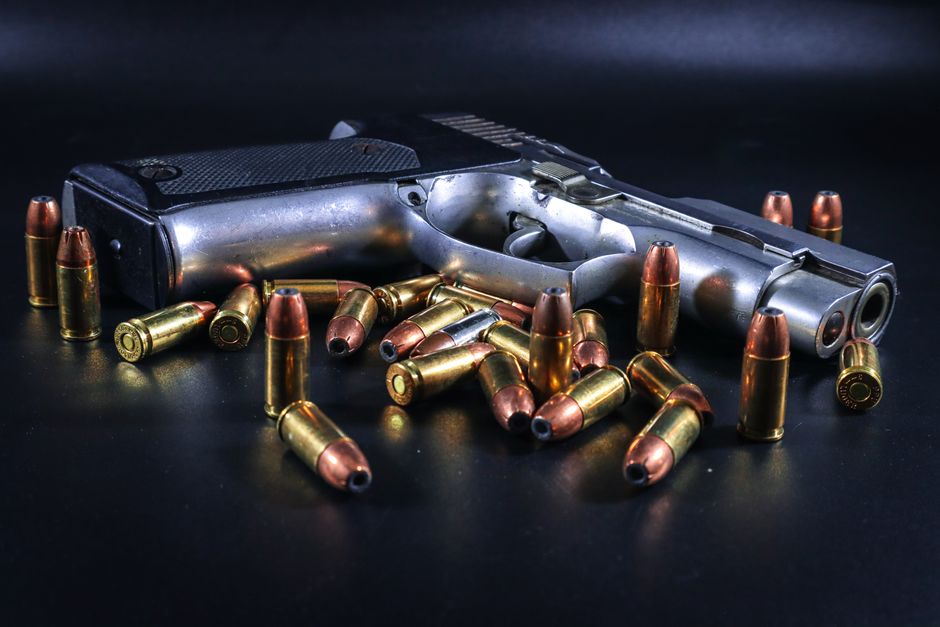
Yes, a bullet can cause lead poisoning. The risk is real but it depends on where the bullet ends up and how long it stays there. A bullet lodged in a joint or near a body cavity is far more dangerous than one buried in muscle. The lead has to dissolve into your body to cause harm, and that process takes time.
How Does a Bullet Cause Lead Poisoning?
Lead poisoning from a bullet is called lead toxicity from retained bullet fragments. It happens when lead slowly dissolves from the bullet into surrounding tissue and then into the bloodstream.
Bullets are made mostly of lead. When a bullet stays in the body, it doesn’t just sit there inertly. Body fluids — especially synovial fluid in joints and cerebrospinal fluid near the spine — can slowly erode the lead surface. The dissolved lead enters the bloodstream and circulates through the body.
This process is usually slow. Symptoms may not appear for months or even years after the injury. That delay is one reason the condition is often missed. A person who was shot years ago may not connect their current symptoms to the old wound.
Not every retained bullet causes poisoning. Many people live with bullets in their bodies for decades without problems. The risk is higher when:
- The bullet is in or near a joint
- The bullet is in a disc space or near the spine
- The bullet is in a body cavity where it contacts fluids
- Multiple fragments are retained
- Bone is fractured and lead is exposed to bone surfaces
Bullets in soft tissue like muscle are less likely to dissolve because muscle doesn’t bathe the lead in the same way joints do. But even soft tissue bullets can cause problems over time.
What Are the Symptoms of Lead Poisoning From a Bullet?
Symptoms of lead poisoning from a retained bullet are the same as lead poisoning from any source. They develop gradually and can be vague at first.
Early symptoms may include fatigue, irritability, and trouble concentrating. As lead levels rise, more serious symptoms can appear:
- Abdominal pain and cramping
- Constipation
- Headaches
- Memory problems
- Numbness or tingling in hands and feet
- Muscle weakness
- Joint pain near the bullet site
- Anemia
- High blood pressure
- Kidney problems
In severe cases, lead poisoning can cause seizures, coma, and even death. But that level of toxicity is rare from a bullet alone unless the exposure has been ongoing for a long time.
One challenge is that these symptoms overlap with many other conditions. A person might be treated for arthritis or nerve pain without anyone checking their blood lead level. That’s why any history of a gunshot wound with a retained bullet should be shared with your doctor.
Can You Get Lead Poisoning From a Bullet That Stays in Your Body?
Yes, a bullet that stays in your body can cause lead poisoning. The risk depends on where it is and how long it stays.
Research has shown that bullets in joints are particularly dangerous. The synovial fluid that lubricates joints can dissolve lead over time. This creates a continuous source of lead exposure that the body cannot clear fast enough.
Bullets near the spine or in disc spaces are also high risk. Cerebrospinal fluid can erode the lead, and the proximity to the nervous system makes any toxicity more dangerous.
Bullets in soft tissue are lower risk but not zero risk. Over many years, even a muscle bullet can slowly release lead. The risk increases if the bullet is fragmented or if there are multiple pieces.
Some people develop symptoms within months. Others go years without problems. There is no way to predict exactly who will be affected or when. Regular monitoring with blood lead levels is the only way to know if a retained bullet is causing problems.
When Should a Bullet Be Removed?
Not every bullet needs to be removed. In fact, removing a bullet can sometimes cause more harm than leaving it in place, especially if it’s deep in the body or near vital structures.
Doctors typically consider removal when:
- The bullet is in a joint
- The bullet is causing symptoms
- Blood lead levels are elevated
- The bullet is accessible without major surgery
- There are signs of lead toxicity
Bullets in muscle or superficial tissue may be left alone if they’re not causing problems. But this decision should be made by a doctor who understands the risks and benefits.
If a bullet is removed, the source of lead exposure is gone. But if lead has already built up in the body, chelation therapy may be needed to help clear it. Chelation uses medications that bind to lead and help the body excrete it. This treatment is only used when blood lead levels are significantly elevated.
How Is Lead Poisoning From a Bullet Diagnosed?
Diagnosis starts with a blood test. A blood lead level above 5 micrograms per deciliter is considered elevated in adults. But symptoms don’t always appear at that level. Some people have symptoms at lower levels, and some have no symptoms at higher levels.
If a bullet is retained, doctors may also order imaging tests like X-rays or CT scans to see exactly where the bullet is and whether it’s fragmented. This helps assess the risk of ongoing lead release.
Your doctor may also check for anemia, kidney function, and nerve damage if lead poisoning is suspected. These tests help determine how much the lead has affected your body.
It’s important to tell your doctor about any old gunshot wounds, even if they happened many years ago. Without that information, lead poisoning can be easily missed.
What Is the Treatment for Lead Poisoning From a Bullet?
Treatment depends on how severe the poisoning is. The first step is often to remove the source — the bullet — if it can be safely taken out.
If blood lead levels are high, chelation therapy may be used. This involves medications that bind to lead in the bloodstream and help the body get rid of it. Chelation is usually reserved for people with significant symptoms or very high lead levels.
For milder cases, treatment may focus on removing the bullet and monitoring blood lead levels over time. Once the source is gone, lead levels often drop on their own, though it can take months or longer.
Supportive care may include treating anemia, managing pain, and addressing any organ damage. In severe cases, hospitalization may be needed.
There is no home remedy for lead poisoning. If you suspect lead poisoning from a bullet, see a doctor. Do not try to treat it yourself.
Can You Prevent Lead Poisoning From a Bullet?
Prevention starts with removing the bullet if it’s in a high-risk location. If the bullet stays, regular blood lead testing can catch problems early.
People with retained bullets should:
- Get a baseline blood lead level
- Have regular follow-up testing, especially if the bullet is in a joint or near the spine
- Watch for symptoms like fatigue, abdominal pain, or numbness
- Tell all their doctors about the retained bullet
There is no way to make a retained bullet safe. The only way to eliminate the risk is to remove it. But removal isn’t always possible or advisable. In those cases, monitoring is the best option.
If you have a retained bullet and develop unexplained symptoms, ask your doctor to check your blood lead level. It’s a simple test that could explain a lot.
Frequently Asked Questions
Can a bullet in your body cause lead poisoning years later?
Yes, lead can slowly dissolve from a retained bullet over months or years. Symptoms may not appear until long after the injury.
How common is lead poisoning from a bullet?
It is uncommon but well documented, especially when the bullet is in a joint or near the spine. The exact number of cases is not known because many are likely not reported.
Should I get a bullet removed to prevent lead poisoning?
Removal is often recommended if the bullet is in a joint or causing symptoms. The decision depends on where the bullet is and the risks of surgery.
What blood lead level is dangerous?
In adults, a blood lead level of 5 micrograms per deciliter or higher is considered elevated. Symptoms and treatment decisions depend on the level and whether symptoms are present.
