
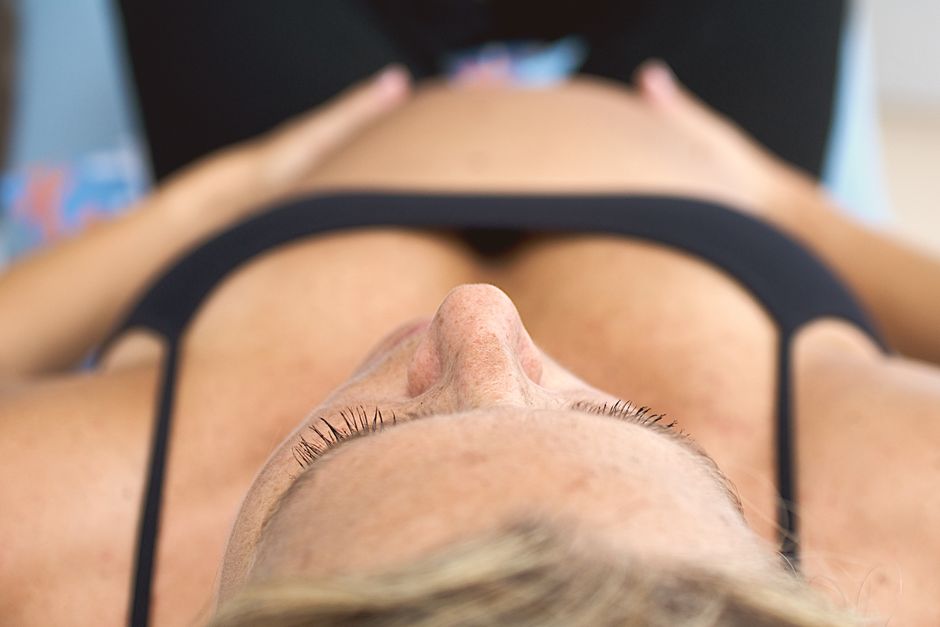
Yes, you can get hair highlights while pregnant, but there are important caveats. Most research indicates that the chemicals in hair dye and bleach are absorbed through the skin in such tiny amounts that they are unlikely to harm a developing baby. However, many healthcare providers still recommend waiting until the second trimester, primarily out of an abundance of caution. The main concerns involve the ammonia and peroxide in bleach, and the lack of definitive long-term studies on repeated occupational exposure.
What Does the Research Say About Hair Dye and Pregnancy?
The scientific consensus is reassuring for occasional use. Studies have looked at large groups of women who dyed their hair during pregnancy and found no increased risk of major birth defects or pregnancy complications. The key reason is the skin barrier. Your scalp does not absorb large quantities of the chemicals. When you apply bleach or dye, only a small fraction of the product penetrates the skin and enters the bloodstream. That amount is considered too low to reach the fetus in biologically significant levels.
However, the evidence is not perfect. Most of the research focuses on hair dye used for coloring, not specifically on the stronger bleach agents used in highlights. Some studies suggest that hairdressers and barbers who work with these chemicals daily may have a slightly higher risk of certain issues, but that risk is tied to years of inhalation and skin contact, not a single salon appointment. For a pregnant woman getting highlights every six to eight weeks, the exposure is minimal.
Why Do Doctors Recommend Waiting Until the Second Trimester?
The first trimester is the period of rapid fetal development. During these first 12 weeks, the baby’s organs are forming. It is a time of heightened sensitivity to any external stressor. The concern is not that a single highlight session is proven dangerous, but that the risk, however small, is best avoided during this critical window. By the second trimester, the major organs are formed, and the placenta is fully functional, acting as a more effective filter.
This recommendation is a precautionary principle, not a response to documented harm. No major medical body has issued a blanket ban on hair dye during pregnancy. Instead, they advise women to make an informed choice with their obstetrician. If you are anxious about the chemicals, waiting is a perfectly reasonable choice. If you are comfortable with the minimal exposure, most doctors will not strongly object after the first trimester.
What Chemicals Are in Highlights and How Do They Work?
Highlights involve two main processes: lightening and toning. The lightener usually contains hydrogen peroxide and ammonia. Hydrogen peroxide breaks down the natural melanin pigment in your hair. Ammonia opens the hair cuticle so the peroxide can penetrate deeper. These are potent chemicals, but they are designed to act on the hair shaft, not the skin. When applied correctly, they stay on the hair with minimal scalp contact.
There is also resorcinol, which is sometimes used in hair color products. It has been flagged in some animal studies, but at the concentrations used in salon products, the absorption is minimal. The reality is that you absorb more chemicals from your shampoo, your skincare products, and the food you eat than you do from a highlight application. The dose is simply too low to be a major concern.





Is There a Difference Between Highlights and Full Color?
Yes, there is a meaningful difference. Full color, especially permanent dye, is applied to the roots and the entire hair shaft. This means the dye sits directly on the scalp for a longer period. Highlights, on the other hand, are usually woven or foiled. The bleach is applied to sections of hair, often pulled away from the scalp, or placed on top of foils that prevent direct contact with the skin. This significantly reduces the amount of chemical that touches your scalp.
If you are getting highlights, the exposure is lower than a full-root touch-up. If you are getting a full color or a root application, the exposure is higher. For women who are very cautious, balayage or foil highlights that start a few millimeters away from the scalp are the safest option. This technique minimizes skin contact almost entirely while still giving a fresh, bright look.
Are There Safer Alternatives to Traditional Highlights?
If you want to avoid ammonia and peroxide entirely, there are alternatives. Henna is a natural plant-based dye, but it is important to know that not all henna is safe. Pure henna is generally considered safe for external use, but “black henna” often contains PPD (para-phenylenediamine), which can cause severe allergic reactions and is not recommended during pregnancy. Stick to pure, natural henna from a reputable source.
Another option is to use semi-permanent or demi-permanent color. These do not contain ammonia and use a lower concentration of peroxide. They coat the hair shaft rather than penetrating deeply. They are gentler, but they also fade faster and may not lift your natural color as much as traditional bleach. For a subtle change, they are a good compromise. Some women also choose to use temporary color sprays or root touch-up powders, which sit on the surface of the hair and wash out with the next shampoo. These are the lowest-risk options because they do not penetrate the hair or skin at all.
Practical Tips for a Safe Highlight Appointment
If you decide to get highlights, there are simple steps to reduce exposure even further. Always tell your stylist you are pregnant. A professional will adjust the application technique to keep the product off your scalp. Ask for foil highlights instead of a cap method. The cap method pulls hair through a tight cap, which can cause the bleach to sit against the skin and also increase scalp irritation.
- Request a well-ventilated area in the salon to minimize inhalation of fumes.
- Ask for a patch test 48 hours before your appointment. Pregnancy can change your skin sensitivity, and you may react to a product you have used for years.
- Do not leave the bleach on longer than the manufacturer recommends. More time does not mean better results and increases irritation risk.
- Rinse your scalp thoroughly after the service if any product touched the skin.
- Wear gloves if you are doing a DIY kit at home, and never leave the product on your head overnight.
If you are doing a home kit, choose one that is free of ammonia and has a lower peroxide volume. Read the label carefully. Products labeled “gentle” or “natural” are not always safer. Check the ingredient list for the specific chemicals mentioned above.
What About Allergic Reactions During Pregnancy?
Pregnancy can change your immune system. Your skin may become more sensitive, and you can develop an allergy to a product you have used for years without issue. This is not specific to pregnancy, but it is more common. An allergic reaction to hair dye can cause scalp burning, swelling, and redness. In severe cases, it can cause breathing difficulty. While this is not directly a risk to the baby, the stress and medication needed to treat a severe reaction could be.
This is why the patch test is so important. Do it before every appointment, even if you have used the same brand for a decade. Your body is not in its normal state, and you cannot predict how it will respond. If you do experience any itching or burning during the application, tell your stylist immediately. The product should be removed right away.
Frequently Asked Questions
Can hair dye cause a miscarriage?
No studies have linked occasional hair dye use to an increased risk of miscarriage. The amount of chemical absorbed through the scalp is very small and is not considered toxic to a developing pregnancy.
Is it safe to get highlights in the first trimester?
Most doctors advise waiting until after the first 12 weeks out of caution, but no evidence confirms harm from a single early appointment. If you are worried, wait until the second trimester for peace of mind.
Do I need to tell my hairdresser I am pregnant?
Yes, you should always tell your stylist. They can use a gentler application technique, ensure proper ventilation, and avoid products that are more likely to irritate your pregnancy-sensitive skin.
Are natural hair dyes like henna safe during pregnancy?
Pure henna is generally considered safe, but black henna often contains PPD and should be avoided. Check the label carefully and only use products from reputable brands that confirm pure plant-based ingredients.
