
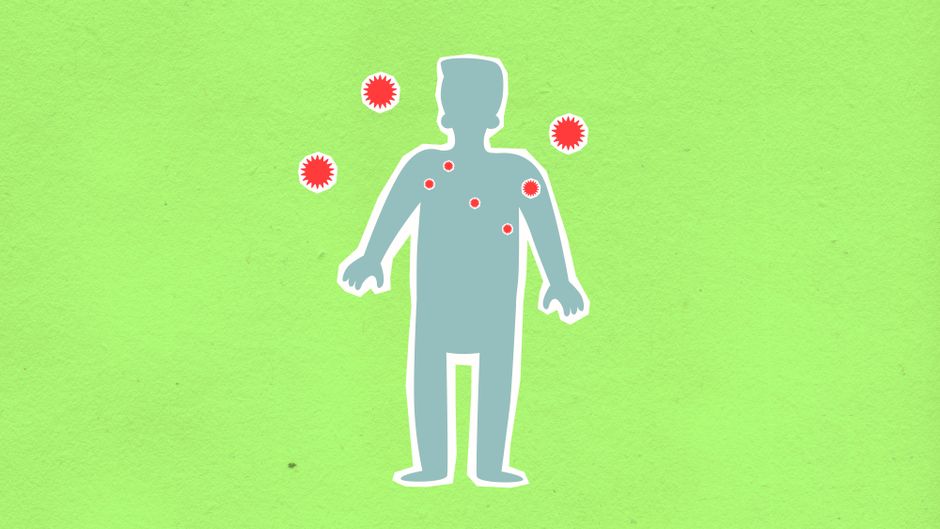
Yes, you can get chickenpox even if you have been immunised. This is called a breakthrough infection. It happens in about 1 in 10 vaccinated people who are exposed to the virus. The good news is that vaccinated people who do get chickenpox usually have a much milder case with fewer blisters, lower fever, and a faster recovery.
Why Can Vaccinated People Still Get Chickenpox?
The chickenpox vaccine is very effective, but it is not perfect. No vaccine offers 100% protection. The vaccine works by teaching your immune system to recognise the varicella-zoster virus. When you are exposed, your immune system usually fights it off before symptoms appear.
Sometimes the immune response is not strong enough to stop the virus completely. This is more likely to happen if you had only one dose of the vaccine. The two-dose schedule provides stronger and longer-lasting protection than a single dose.
Breakthrough infections are not a sign that the vaccine failed. They are an expected part of how vaccines work. The immune system still does its job, just not perfectly every single time.
How Mild Is a Breakthrough Chickenpox Case?
For most vaccinated people, breakthrough chickenpox is significantly milder than natural chickenpox. You may develop fewer than 50 blisters, compared to the 250 to 500 blisters typical in unvaccinated people. Fever is usually lower or absent entirely.
The illness also tends to be shorter. Most vaccinated people recover within 3 to 5 days, while unvaccinated people may be sick for a week or longer. Complications such as bacterial skin infections, pneumonia, and hospitalisation are far less common in vaccinated people.
There is one important caveat. Even a mild case of chickenpox can still be contagious. You can spread the virus to others, including people who cannot be vaccinated for medical reasons.
How Contagious Is a Vaccinated Person With Chickenpox?
Yes, you can spread the virus even if your case is mild. The varicella-zoster virus spreads through respiratory droplets and direct contact with fluid from the blisters. If you have blisters, you can pass the virus to others.
A vaccinated person with breakthrough chickenpox is generally less contagious than someone with natural chickenpox. You may have fewer blisters, which means less virus on your skin. You may also shed the virus for a shorter period.
Still, the safest approach is to stay home until all blisters have crusted over. This usually takes about 5 to 7 days from the start of the rash. This applies whether you are vaccinated or not.




What Does the Chickenpox Rash Look Like in Vaccinated People?
The rash in breakthrough chickenpox can look different from a classic case. Instead of the typical widespread spots, you may see only a few scattered red bumps. Some vaccinated people develop spots that do not progress to fluid-filled blisters at all.
This can make the infection harder to recognise. A mild rash might be mistaken for insect bites, heat rash, or an allergic reaction. If you have been exposed to chickenpox and develop any unusual rash, it is worth checking with a healthcare provider.
It is also possible to have a breakthrough infection with no rash at all. This is rare, but it happens. In these cases, the only clue may be a mild fever or general feeling of being unwell.
How Long Does Protection Last After Vaccination?
Protection from the chickenpox vaccine lasts for many years. Studies following vaccinated people for over a decade show that immunity remains strong. The two-dose schedule provides the most durable protection.
Some people worry that vaccine protection fades over time, leaving them vulnerable in adulthood. This is a reasonable concern because adult chickenpox is more severe than childhood chickenpox. However, research does not show a widespread need for booster doses in healthy people.
Immunity can wane in certain situations. People with weakened immune systems due to illness or medication may lose protection earlier. In these cases, a healthcare provider may check antibody levels and discuss whether a booster is appropriate.
Can You Get Shingles If You Were Vaccinated Against Chickenpox?
Shingles is caused by the same virus that causes chickenpox. After a chickenpox infection, the virus stays dormant in nerve tissue. Years later, it can reactivate and cause shingles.
People who received the chickenpox vaccine can still get shingles, but it is much less common. The vaccine uses a weakened form of the virus, which is less likely to establish the kind of long-term dormancy seen after natural infection.
If a vaccinated person does get shingles, the risk is lower than for someone who had natural chickenpox. The illness also tends to be milder. This is another long-term benefit of vaccination beyond preventing the initial chickenpox infection.
Who Should Not Rely on the Chickenpox Vaccine Alone?
Certain groups may need extra protection. People with weakened immune systems, such as those undergoing chemotherapy or taking immunosuppressive medications, may not mount a strong response to the vaccine. For these individuals, exposure to chickenpox requires prompt medical advice.
Pregnant women who have not had chickenpox or the vaccine face a higher risk of complications. Chickenpox during pregnancy can harm both the mother and the baby. If you are pregnant and exposed to chickenpox, contact your healthcare provider immediately.
For most healthy people, the two-dose vaccine series provides excellent protection. The key is completing both doses. One dose offers some protection, but two doses are significantly better at preventing breakthrough infections.
What Should You Do If You Think You Have Breakthrough Chickenpox?
If you have been vaccinated and develop a rash after exposure to chickenpox, see a healthcare provider. They can confirm whether it is chickenpox or something else. This is especially important because other conditions can cause similar rashes.
Antiviral medication is sometimes used for chickenpox, but it is not routinely recommended for healthy vaccinated people with mild cases. Your healthcare provider will decide based on your age, overall health, and how severe the infection appears.
Until you know what the rash is, avoid contact with people who are at high risk. This includes pregnant women, newborns, and anyone with a weakened immune system. These groups can develop severe complications from chickenpox.
Does a Breakthrough Infection Mean the Vaccine Did Not Work?
No. The purpose of the vaccine is not just to prevent infection entirely. It is also to prevent serious illness, hospitalisation, and death. By that measure, the vaccine works extremely well.
Before the vaccine was introduced, chickenpox caused about 10,000 hospitalisations and 100 to 150 deaths per year in the United States. Those numbers have dropped dramatically since routine vaccination began. The vast majority of vaccinated people who are exposed never get sick at all.
Think of the vaccine as a seatbelt. It does not prevent every car accident, but it dramatically reduces the chance of serious injury. Breakthrough chickenpox is the equivalent of a minor fender bender — inconvenient, but not dangerous for most people.
Frequently Asked Questions
Can you get chickenpox twice if you are vaccinated?
Yes, it is possible, but very rare. Breakthrough infections are uncommon, and having one does not make a second one likely.
How many doses of chickenpox vaccine do you need?
Two doses are recommended for everyone. The second dose is given at least 4 to 8 weeks after the first, depending on age.
Is breakthrough chickenpox contagious to others?
Yes, it is contagious even when mild. Stay home until all blisters have crusted over to avoid spreading the virus.
Can adults who were vaccinated as children still get chickenpox?
Yes, but the risk is low. Immunity from childhood vaccination can last for decades, and breakthrough cases in adults are typically mild.
