
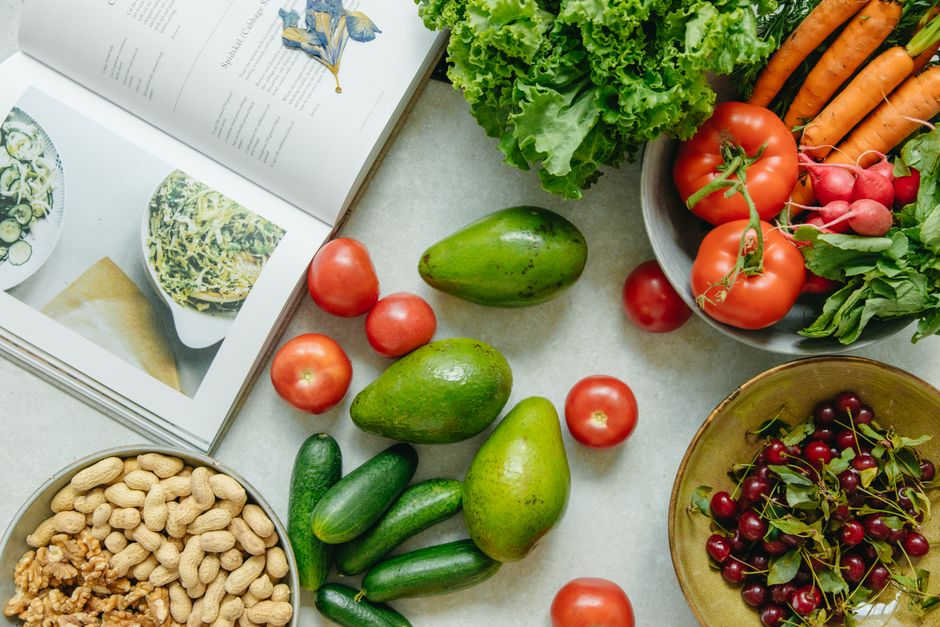
Yes, you can freeze avocados whole, and the method works better than most people expect. The key is that a whole avocado must be frozen with its skin and pit intact, and it should be fully ripe first. Frozen whole avocados keep for several months, but the texture after thawing changes enough that you will want to use them in guacamole, smoothies, or baked goods rather than on toast.
Can You Freeze Avocados Whole Without Cutting Them?
Freezing an avocado whole is possible, but the fruit needs to be ripe and undamaged before it goes in the freezer. A rock-hard avocado will not ripen properly once frozen, so wait until it gives slightly when pressed.
The skin and pit stay in place. The pit helps limit how much air reaches the flesh, and the skin acts as a natural wrapper. Wash and dry the avocado first, then place it in a freezer bag or airtight container. Press out as much air as you can before sealing.
One detail people miss: a whole frozen avocado takes up more space than a cut one, and the skin can split as the water inside expands into ice. That cracking is normal and does not mean the fruit has gone bad.
What Happens to an Avocado When You Freeze It?
Freezing changes the texture of an avocado permanently. The flesh contains a lot of water, and when that water turns to ice, the ice crystals puncture the cell walls. When the avocado thaws, those damaged cells release their contents, and the flesh turns soft and somewhat watery.
This is a physical change, not spoilage. The avocado is still safe to eat. It simply will not slice cleanly or hold its shape the way a fresh one does.
There is a second change worth knowing about. When avocado flesh is exposed to air, enzymes cause browning, the same reaction that turns a cut apple brown. In a whole frozen avocado, the skin and pit limit that exposure, so browning is usually mild. Once you cut into a thawed avocado, though, it will brown faster than a fresh one because the cell structure is already compromised.
Some research suggests that certain antioxidant compounds in avocado flesh may help slow this browning, but the effect is limited and does not prevent it entirely. Lemon or lime juice applied to cut surfaces is the more reliable approach.
How Do You Freeze Avocados Whole Step by Step?
The process is simple, but a few choices affect how well the avocado holds up.
- Choose a ripe avocado. It should yield to gentle pressure but not feel mushy.
- Rinse and pat it completely dry. Surface moisture leads to ice buildup.
- Leave the skin and pit in place.
- Wrap the avocado tightly in plastic wrap, then place it in a freezer bag or airtight container. Double protection limits freezer burn.
- Label the bag with the date.
- Store it in the coldest part of the freezer, not the door, where temperatures fluctuate.
A whole avocado frozen this way will keep for several months. Quality does decline over time, mostly through gradual moisture loss and freezer burn, so using it within a few months gives the best result.
How Do You Thaw a Frozen Whole Avocado?
Thaw it in the refrigerator, still wrapped, and let it sit for several hours or overnight. Thawing at room temperature works faster but tends to produce a softer, more watery result because the outside warms before the inside does.
Do not thaw an avocado in the microwave. The heat cooks the flesh unevenly and turns it to mush.
Once thawed, cut it open and remove the pit. The flesh will be soft. If there is excess liquid, you can pour it off or blot the flesh gently. From here, mash it or blend it. Do not expect to slice it.
One practical note: a thawed avocado browns quickly once exposed to air. If you are not using it right away, add an acid like lemon or lime juice and press plastic wrap directly onto the surface before refrigerating.
Does Freezing an Avocado Affect Its Nutrition?
Freezing preserves most of the nutritional value of an avocado. The main nutrients in avocado flesh are fats, fiber, potassium, vitamin E, and several B vitamins, and these hold up well to freezing.
The fat content is a key point. Avocados are one of the few fruits high in monounsaturated fat, and fat does not degrade in the freezer the way some heat-sensitive vitamins do during cooking. Vitamin C is more vulnerable to loss over long storage, but the amounts in avocado are modest to begin with.
The bigger nutritional change is behavioral, not chemical. Because thawed avocado is best used in guacamole, smoothies, or baking, you may end up eating it in different forms and portions than you would a fresh one. That is worth keeping in mind if you are tracking what you eat.
Whole vs Cut Avocado: Which Freezes Better?
Both methods work, but they suit different situations. The table below compares them on the points that matter most.
| Factor | Frozen Whole | Frozen Cut |
|---|---|---|
| Prep time | Minimal | More, requires cutting and pitting |
| Air exposure | Low, skin and pit protect flesh | Higher, needs acid or vacuum sealing |
| Browning risk | Lower | Higher without treatment |
| Freezer space | Uses more | Uses less |
| Best use after thawing | Mashing, blending | Mashing, blending, portioned use |
| Texture after thawing | Soft, somewhat watery | Soft, somewhat watery |
Neither method preserves the firm, sliceable texture of a fresh avocado. That limitation is the same for both. The choice usually comes down to convenience and how much freezer space you have.
What Are the Common Mistakes to Avoid?
Most problems with frozen avocados come from a few avoidable errors.
Freezing an unripe avocado is the most common. It will not ripen in the freezer, and it will not ripen after thawing either. You end up with a hard, flavorless fruit.
Leaving the avocado exposed to air is the second. Without a tight wrap and a sealed bag, the surface dries out and develops freezer burn, which shows up as dry, discolored patches. Those areas are not unsafe, but they taste poor and should be cut away.
Thawing at room temperature or in the microwave is the third. Both speed up the breakdown of the flesh and produce a mushier result than refrigerator thawing.
Finally, expecting a thawed avocado to behave like a fresh one sets you up for disappointment. Plan to use it mashed or blended, not sliced.
When Should You Not Bother Freezing Avocados?
Freezing avocados makes sense when you have more than you can use before they go bad, or when you want a stash for guacamole and smoothies. It makes less sense if you mainly eat avocado sliced on sandwiches or salads, because the texture after thawing will not meet that expectation.
It is also worth noting that fresh avocados are widely available year-round in most of the United States. Freezing is a way to avoid waste, not a way to improve the fruit. If you can use your avocados fresh, that is still the better option.
Frequently Asked Questions
Can you freeze avocados whole without them turning brown?
Yes, whole avocados brown less than cut ones because the skin and pit limit air exposure. Some browning can still occur, and the flesh will brown quickly once you cut into a thawed avocado.
How long can you keep a whole avocado in the freezer?
A whole avocado frozen with its skin and pit intact keeps for several months. Quality declines over time through moisture loss and freezer burn, so using it within a few months gives the best result.
Can you eat a thawed whole avocado raw?
Yes, it is safe to eat raw after thawing in the refrigerator. The texture will be soft and somewhat watery, so it works best mashed or blended rather than sliced.
Can you freeze an avocado that is not ripe yet?
No. An unripe avocado will not ripen in the freezer or after thawing, so it stays hard and flavorless. Wait until the avocado yields to gentle pressure before freezing it.
