
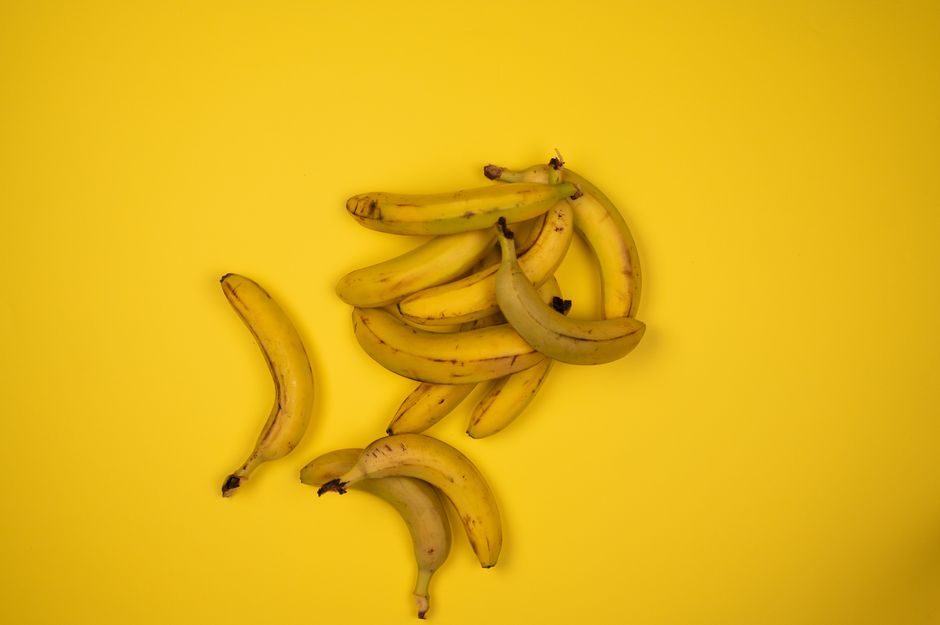
Yes, you can eat too many bananas. There is no strict limit that applies to everyone, but eating a large number of bananas in a short time can push potassium and sugar intake higher than the body handles well. For most healthy adults, one or two bananas a day is not a problem. The trouble usually comes from eating many at once, or from eating them heavily while having kidney disease or taking certain medications.
A medium banana is about 105 calories and supplies roughly 422 milligrams of potassium, based on USDA data. That potassium number matters more than most people realize. It is the main reason a banana-heavy diet can become a real health concern rather than just a lot of fruit.
How Much Potassium Is Actually in a Banana?
A medium banana contains about 422 milligrams of potassium. The daily potassium target for most adults is around 2,600 to 3,400 milligrams, depending on age and sex, according to national dietary guidelines.
That means one banana covers a meaningful share of the day’s potassium but leaves plenty of room. Two bananas still fit comfortably for most healthy adults.
The picture changes fast when someone eats six, eight, or ten bananas a day. At that level, potassium alone can approach or pass the daily target before any other food is counted. Other potassium-rich foods like potatoes, beans, spinach, and orange juice add more on top.
Potassium in common foods
| Food | Potassium (approx.) |
|---|---|
| 1 medium banana | 422 mg |
| 1 medium potato with skin | ~900 mg |
| 1 cup cooked spinach | ~840 mg |
| 1 cup cooked white beans | ~1,000 mg |
| 1 cup orange juice | ~500 mg |
Potassium is not the enemy. It is an essential mineral that helps nerves fire, muscles contract, and the heart keep a steady rhythm. The problem is only when blood levels rise too high, a condition called hyperkalemia.
Can You Eat Too Many Bananas in One Day?
For a healthy adult with normal kidney function, eating several bananas in one day is unlikely to cause harm. The kidneys filter out excess potassium and keep blood levels in a tight range.
Healthy kidneys handle a potassium load well, but they are not unlimited. Eating an extreme amount, such as ten or more bananas in a day, can outpace what the body clears, especially if other high-potassium foods are also on the plate.
The bigger everyday issue is not potassium for most people. It is calories and sugar. Ten medium bananas add up to roughly 1,050 calories and about 140 grams of sugar. That is a lot of sugar in one day, even if it comes from fruit.
Natural sugar is still sugar. Fruit sugar arrives with fiber, water, and micronutrients, which slows absorption compared to soda. But eating a very large amount still loads the liver and bloodstream with fructose and glucose. Over time, that pattern can work against weight goals and blood sugar control.
Who Needs to Be Careful With Bananas?
People with chronic kidney disease are the group most at risk from high banana intake. Damaged kidneys clear potassium less efficiently, so even a moderate amount can push blood levels too high.
Hyperkalemia is not a minor issue. Very high potassium can cause dangerous heart rhythm problems. This is why many people with advanced kidney disease are told to limit high-potassium foods, including bananas, potatoes, and oranges.
Other groups who may need to watch intake include:
- People taking ACE inhibitors or ARBs, common blood pressure medications that raise potassium levels
- People taking potassium-sparing diuretics such as spironolactone
- People with type 1 or type 2 diabetes who are tracking carbohydrate and sugar intake
- People with a history of irregular heart rhythm
Anyone in these groups should ask their doctor or a registered dietitian how much potassium fits their situation. General advice about bananas does not apply equally to everyone, and kidney-related guidance should come from a clinician who knows the person’s lab results.





What Happens If You Eat Too Many Bananas?
If potassium climbs too high, symptoms can include muscle weakness, fatigue, numbness or tingling, and an irregular heartbeat. These signs are serious and need medical attention.
In milder cases, someone eating far too many bananas may simply feel bloated, gassy, or overly full. Bananas are high in fiber, and a sudden jump in fiber intake can cause digestive discomfort.
Blood sugar swings are another possibility for people with diabetes or insulin resistance. A large banana load can spike glucose, followed by a crash that leaves someone tired and hungry.
Weight gain is a slower concern. Bananas are not fattening on their own, but eating many of them adds up in calories. A person eating eight bananas a day on top of regular meals is likely eating more than their body needs.
Is There an Official Limit on Bananas?
No official guideline sets a maximum number of bananas per day. Public health agencies publish potassium targets and limits, not banana counts.
For most healthy adults, one to two bananas daily fits well within a balanced diet. Some people eat three or four without issue. The number depends on kidney function, medications, activity level, and what else is being eaten.
The pattern matters more than the count. A person who eats two bananas and a wide variety of other foods is in a very different position than someone eating only bananas for days. Variety is what keeps any single nutrient from crowding out the rest.
Can You Live on Bananas Alone?
No. A banana-only diet cannot meet the body’s needs for protein, fat, vitamin B12, vitamin D, iron, calcium, and several other nutrients.
Bananas do provide carbohydrate, potassium, vitamin B6, vitamin C, and fiber. That is a useful package, but it is not a complete one. A diet built mostly on bananas would eventually lead to nutrient deficiencies and muscle loss from inadequate protein.
Some viral posts claim a banana-only diet resets the body or promotes rapid weight loss. No clinical evidence supports these claims. Short-term weight loss on such a diet comes from eating far fewer calories than usual, not from anything special about bananas.
Are Bananas Healthier Ripe or Unripe?
Ripeness changes the starch and sugar balance, but it does not make bananas a different food. An unripe green banana has more resistant starch, which digests more slowly and feeds gut bacteria. A ripe yellow banana has more simple sugars and tastes sweeter.
Some research suggests resistant starch may support blood sugar control and gut health, but the effect from eating one banana is small. The overall diet is what shapes those outcomes.
For most people, the choice between green and yellow comes down to taste and digestion. People with sensitive stomachs often find ripe bananas easier to tolerate.
How Many Bananas Fit a Balanced Diet?
One to two bananas a day fits comfortably for most healthy adults. That amount adds potassium, fiber, and vitamin B6 without pushing any nutrient to an extreme.
People with higher calorie needs, such as athletes, may eat more. Someone training hard and sweating heavily loses potassium through sweat, so a higher intake can make sense. Still, there is no benefit to eating ten bananas when two or three plus other foods would do the same job.
The simplest guide is variety. If bananas are one fruit among several, the amount is rarely a concern. If bananas are most of what someone eats, that is worth changing.
Frequently Asked Questions
How many bananas a day is too many?
There is no official limit, but eating more than a few bananas daily, especially alongside other high-potassium foods, can push potassium intake high for some people. Most healthy adults do fine with one to two bananas a day.
Can eating too many bananas hurt your kidneys?
Bananas do not damage healthy kidneys. People who already have chronic kidney disease may struggle to clear the potassium in bananas, which is why they are often advised to limit them.
What are the symptoms of too much potassium from bananas?
High potassium can cause muscle weakness, fatigue, numbness, and irregular heartbeat. These symptoms are serious and need medical care right away.
Is it safe to eat bananas every day?
Yes, for most healthy adults, eating a banana or two daily is safe and fits a balanced diet. People with kidney disease or those taking certain blood pressure medications should check with their doctor first.
