
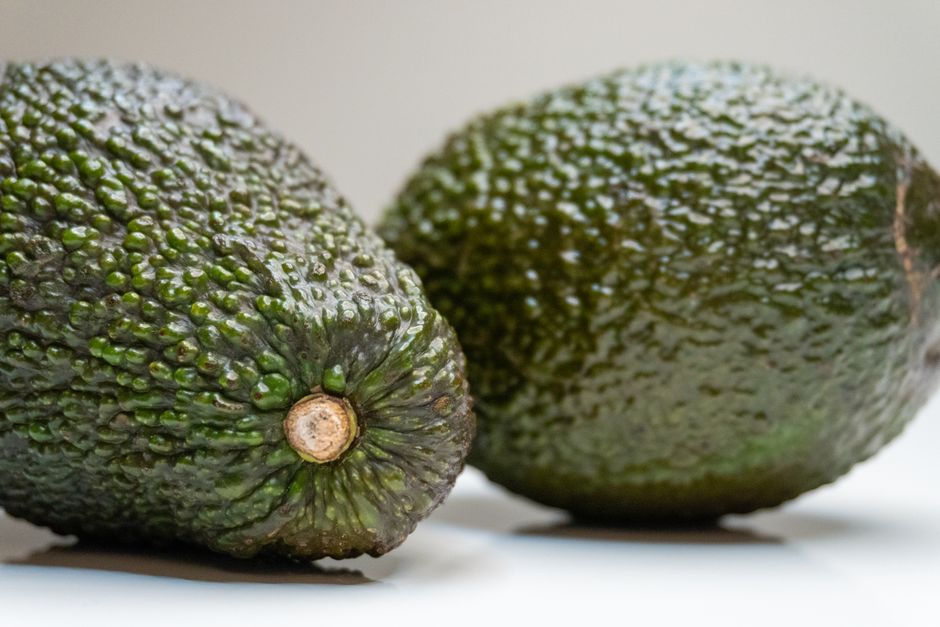
Yes, you can technically eat avocado skin, but you should not. The skin is not toxic, but it is tough, bitter, and offers no nutritional benefit. More importantly, eating it can expose you to dirt, pesticides, and foodborne pathogens that washing alone may not fully remove. The real question is not whether it is safe to swallow, but whether it is wise to do so.
Can You Eat The Skin On An Avocado?
The short answer is yes, your body can process it. Avocado skin is not poisonous. Some people blend whole avocados into smoothies, skin and all, believing it adds nutrients. That is a mistake.
The skin contains compounds called persin, which is a natural antifungal found in avocado leaves, skin, and pits. In large amounts, persin is toxic to some animals, particularly birds and livestock. The amount in the skin of a single avocado is far too small to harm a human. But that does not make it a good idea to eat it routinely.
The bigger concern is what sits on the skin. Avocados grow close to the ground. They are handled by workers, packed in crates, shipped long distances, and displayed in stores. The skin can carry soil, bacteria, and residues from agricultural sprays. Washing removes some of this, but the rough, pebbly texture of the skin makes it hard to clean thoroughly.
What Does Avocado Skin Taste Like?
Avocado skin is not something you will enjoy. The texture is thick, leathery, and fibrous. The flavor is intensely bitter and astringent. If you bite into an unpeeled avocado slice, the bitterness will likely overwhelm the creamy flesh.
Some people dry and grind avocado skin into a powder to add to food. This does not improve the taste. It also does not add meaningful nutrition. The flesh of the avocado is where the value is. The skin is mostly indigestible plant fiber and tannins, which are the compounds responsible for the bitter, drying sensation in your mouth.
If your goal is fiber, there are far better sources. A whole avocado with skin has more fiber than the flesh alone, but that fiber is largely insoluble and difficult for your body to break down. You would get the same benefit from eating a handful of oats or a serving of berries, without the bitter taste or the contamination risk.
Is Avocado Skin Good For You?
No strong evidence supports eating avocado skin for health benefits. Some online sources claim the skin is rich in antioxidants and beneficial plant compounds. That is technically true, but the same compounds exist in the flesh in different forms, and the skin is not digestible enough to release them effectively.
Your digestive system is not designed to break down the thick, woody skin of an avocado. It will pass through your system largely intact. For most people, that causes no harm. But for people with sensitive stomachs, irritable bowel syndrome, or a history of intestinal blockages, eating large pieces of skin could cause discomfort.
The skin also contains high levels of oxalates. Oxalates are naturally occurring compounds that can contribute to kidney stone formation in susceptible people. The amount in avocado skin is not enormous, but it is higher than in the flesh. If you have a history of calcium oxalate kidney stones, eating avocado skin is not worth the risk.





What About Pesticides And Bacteria On The Skin?
This is the most practical reason to avoid avocado skin. Avocados are on the Environmental Working Group’s “Clean Fifteen” list, which means they tend to have lower pesticide residues than many other fruits. That is good news for the flesh, but it does not mean the skin is clean.
The skin is the protective layer that shields the flesh from the outside world. It collects dust, soil, and microorganisms during growth and handling. The Food and Drug Administration and the Centers for Disease Control and Prevention both recommend washing all produce, including avocados, before cutting. The reason is that cutting through an unwashed skin can transfer bacteria from the skin to the knife and then into the flesh.
If you decide to eat the skin, you are eating that outer surface directly. Washing helps, but the bumpy texture of avocado skin makes it difficult to remove all residue. Some research suggests that soaking produce in a baking soda solution removes more pesticide residue than water alone, but no method guarantees complete removal from a rough surface like avocado skin.
How To Safely Prepare Avocados
Proper preparation reduces risk and improves taste. Start by washing the avocado under running water. Use your hands to gently rub the surface. Do not use soap or commercial produce washes. Plain water is sufficient for most produce.
Dry the avocado with a clean towel before cutting. This reduces the chance of slipping and also removes some surface bacteria. Cut the avocado lengthwise around the pit. Twist the two halves apart. Remove the pit with a spoon or by carefully striking it with a knife blade, then twisting.
Scoop the flesh out with a spoon or cut it into slices while still in the skin, then scoop. Discard the skin and the pit. If you are making guacamole, mash the flesh with a fork. If you are adding avocado to salads or toast, slice or cube the flesh and leave the skin behind.
One common mistake is peeling an avocado with your fingers after cutting it in half. This transfers any surface contamination to your hands, which can then spread to the flesh or to other food. Use a spoon or a knife to separate the flesh from the skin instead.
Are There Any Benefits To Eating The Whole Avocado?
Some nutrition advocates recommend eating the whole fruit, including the skin and pit, citing studies on plant compounds found in these parts. These studies are real, but they are mostly laboratory research on extracted compounds, not human studies on eating whole skins and pits.
No clinical guidelines recommend eating avocado skin. No major health organization promotes it. The evidence that eating the skin provides health benefits in humans is essentially absent. What exists is biological reasoning: the skin contains certain compounds, and those compounds have shown activity in lab settings. That is a long way from proving that eating the skin improves your health.
The avocado pit is a separate issue. It is too hard to chew and contains higher concentrations of persin and other compounds. Eating a pit can damage your teeth. Some people dry, powder, and boil pits to make tea, but no research supports this practice as beneficial. The pit is best discarded.
What Does The Research Actually Say?
Research on avocado skin is limited. Some studies have looked at the phytochemical content of avocado peels and found antioxidant activity in laboratory tests. Other studies have examined the antimicrobial properties of avocado peel extracts. These are preliminary findings, not clinical evidence.
What the research does not show is that eating avocado skin improves health outcomes in humans. No large human trials have confirmed any benefit. No study has shown that people who eat avocado skin have lower rates of disease. The gap between laboratory findings and real-world benefit is wide, and in this case, it has not been crossed.
Some research suggests that the majority of an avocado’s antioxidants are concentrated in the skin and seed rather than the flesh. That is true. But concentration in a lab extract does not mean your body can absorb those compounds from the whole skin. The skin is tough and fibrous, and your digestive system is not efficient at breaking it down.
Who Should Definitely Avoid Avocado Skin?
Certain people should be especially careful. Pregnant women should avoid avocado skin because of the small but real risk of foodborne illness. Listeria and other pathogens can live on produce surfaces, and a Listeria infection during pregnancy can be serious.
People with compromised immune systems, including those undergoing chemotherapy or taking immunosuppressive medications, should also avoid it. Their bodies are less able to fight off infections that a healthy person might handle without symptoms.
Children under five should not eat avocado skin. Their digestive systems are still developing, and their smaller body size means any contaminant has a greater relative effect. Older adults, particularly those with digestive conditions, should also skip it.
If you have a history of intestinal issues, swallowing large pieces of tough skin could cause blockages or irritation. The skin does not break down in the digestive tract. For most people, it passes through without incident. For others, it can cause abdominal pain or constipation.
Frequently Asked Questions
Is avocado skin poisonous to humans?
No, avocado skin is not poisonous to humans. It contains persin, a compound that can be toxic to some animals, but the amount in a single avocado skin is far too small to harm a person.
Does washing avocado skin make it safe to eat?
Washing reduces surface dirt and some bacteria, but it does not guarantee safety. The rough, bumpy texture of avocado skin makes it difficult to clean thoroughly, and no washing method removes all potential contaminants.
Can you blend a whole avocado into a smoothie?
You can, but it is not recommended. The skin will make the smoothie bitter and fibrous, and it adds no proven nutritional benefit. The flesh alone provides the healthy fats, fiber, and vitamins that make avocado smoothies popular.
What happens if you accidentally swallow a piece of avocado skin?
Nothing serious will happen. A small piece of avocado skin will pass through your digestive system without being digested. If you swallow a large piece, you might feel some stomach discomfort, but it is not a medical emergency.
