
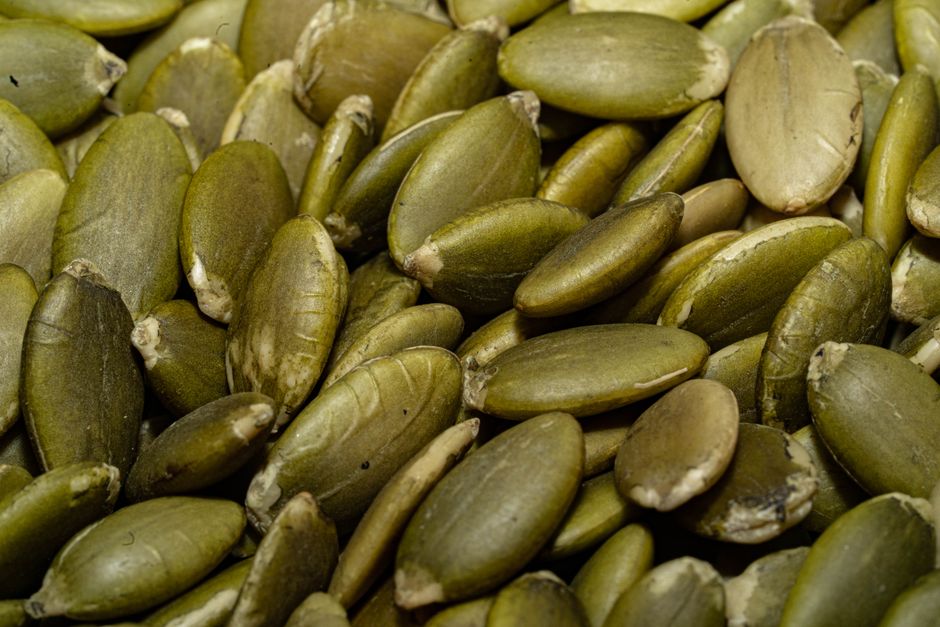
Yes, you can eat the shell of a pumpkin seed. The whole seed, shell and all, is safe to eat and many people do it regularly. Pumpkin seed shells are fibrous, chewy, and perfectly edible. You do not need to remove them to get the nutritional benefits of the seed inside.
Is It Safe to Eat Pumpkin Seed Shells?
Pumpkin seed shells are safe for most people. The shell is just the outer husk of the seed. It is not toxic and your digestive system can handle it.
Some people worry the shell might be too tough or cause problems. For a healthy adult with a normal digestive tract, this is not a concern. The body breaks down the fiber in the shell just like it does other plant fibers.
People with certain medical conditions should be more careful. If you have diverticulitis or a history of intestinal blockages, check with your doctor first. The high fiber content in shells could be an issue for some digestive conditions.
Children can eat them too, but smaller children might find the texture unpleasant or have trouble chewing them thoroughly. Always supervise young children with any whole seed or nut product.
What Does Research on Pumpkin Seed Shells Show?
Research on pumpkin seed shells specifically is limited. Most studies look at the whole seed or the seed kernel alone. However, what we know about the shell’s composition comes from nutritional analysis.
The shells contain fiber, protein, and minerals like zinc and magnesium. A study published in the Journal of Food Science and Technology found that pumpkin seed shells contain significant amounts of dietary fiber. Fiber supports digestion and helps you feel full longer.
There is no clinical evidence that eating the shell is harmful. The USDA includes whole pumpkin seeds in its nutritional database, treating the shell as a normal part of the food.
Some people claim the shell has special health benefits beyond the seed kernel. This is overhyped. The shell adds fiber and some minerals, but the kernel contains most of the fat and protein. Eating the whole seed gives you both.
Can You Eat The Shell Of A Pumpkin Seed Raw vs Roasted?
You can eat pumpkin seed shells raw or roasted. Both are safe. The main difference is texture and taste.
Raw pumpkin seed shells are firmer and have a more vegetal flavor. Some people find them too chewy or tough. Roasting changes the texture. The shell becomes crunchier and easier to bite through. Roasting also brings out a nuttier flavor.
Store-bought roasted pumpkin seeds often have salt or seasonings added. Check the label if you are watching your sodium intake. Plain raw seeds have no added ingredients.
One thing to know: roasted seeds lose a small amount of heat-sensitive nutrients like vitamin E. The difference is minor. If you prefer roasted for taste, you are not missing much nutritionally. If you want the highest nutrient retention, eat them raw.

How to Eat Pumpkin Seed Shells Comfortably
Eating the shell is straightforward, but a few tips make it more pleasant. The shell can be tough on teeth if you are not used to it.
- Chew thoroughly. The shell breaks down better when you chew it well. This also helps your body absorb nutrients from the seed inside.
- Start with roasted seeds. Roasted shells are crunchier and easier to chew than raw ones. This is a good entry point if you are new to eating whole seeds.
- Add them to foods. Sprinkle whole pumpkin seeds on salads, oatmeal, yogurt, or stir-fries. The moisture from other foods softens the shell slightly.
- Drink water. The fiber in the shell absorbs water. Staying hydrated helps your digestive system process the fiber comfortably.
- Buy shelled seeds if you prefer. Pumpkin seed kernels, called pepitas, are available without the shell. They are green, flat, and have a softer texture. Both options are healthy.
Some people eat the shell by cracking it with their teeth, eating the kernel, and spitting out the shell. This is common with sunflower seeds. With pumpkin seeds, the shell is thinner and softer, so many people just eat the whole thing.
Pumpkin Seed Shells vs Pepitas: Nutritional Comparison
Whole pumpkin seeds and pepitas (shelled kernels) have different nutritional profiles. Here is how they compare per one-ounce serving (about 28 grams).
| Nutrient | Whole Seeds (with shell) | Pepitas (shelled) |
|---|---|---|
| Calories | 126 | 163 |
| Protein | 5 grams | 9 grams |
| Fat | 5 grams | 14 grams |
| Fiber | 5 grams | 2 grams |
| Zinc | 2 mg | 2 mg |
| Magnesium | 74 mg | 168 mg |
Numbers are approximate and vary by brand and preparation. The table shows that whole seeds have more fiber and fewer calories per serving because the shell takes up space. Pepitas have more fat and protein because you are eating only the nutrient-dense kernel.
Both are healthy. Choosing between them depends on what you want. More fiber and fewer calories? Go with whole seeds. More protein and healthy fats? Go with pepitas.
Common Misconceptions About Pumpkin Seed Shells
Several myths about pumpkin seed shells circulate online. Here is what the evidence actually says.
Myth: The shell causes appendicitis. This is not supported by medical research. The idea comes from a general concern about seeds getting stuck in the appendix. The American College of Gastroenterology states that there is no strong evidence linking seed consumption to appendicitis. The appendix is more commonly blocked by stool or infection.
Myth: The shell is indigestible. The shell contains fiber, which humans cannot fully digest. That is normal. Fiber passes through the digestive system and helps move waste along. It does not just sit in your stomach. Your body processes it and eliminates it.
Myth: You must remove the shell to get the nutrients. This is false. Nutrients from the kernel are still absorbed even if you eat the shell. Your digestive enzymes break down the seed inside the shell as it passes through your system.
Myth: White pumpkin seeds are better than green ones. White seeds are just a different variety of pumpkin. They are not more nutritious or safer. The color difference is genetic, not a sign of quality or safety.
Frequently Asked Questions
Can you eat the shell of a pumpkin seed raw?
Yes, raw pumpkin seed shells are safe to eat. They are firmer than roasted shells but still edible.
Are pumpkin seed shells bad for your teeth?
They can be tough on teeth if you bite down hard. Chewing slowly and thoroughly reduces the risk of discomfort or damage.
Do pumpkin seed shells have any nutritional value?
Yes, they contain fiber, zinc, and magnesium. The shell adds mostly fiber while the kernel provides most of the fat and protein.
Can dogs eat pumpkin seed shells?
Plain pumpkin seed shells are safe for dogs in small amounts. Avoid salted or seasoned seeds. Check with your vet for your specific dog.
