
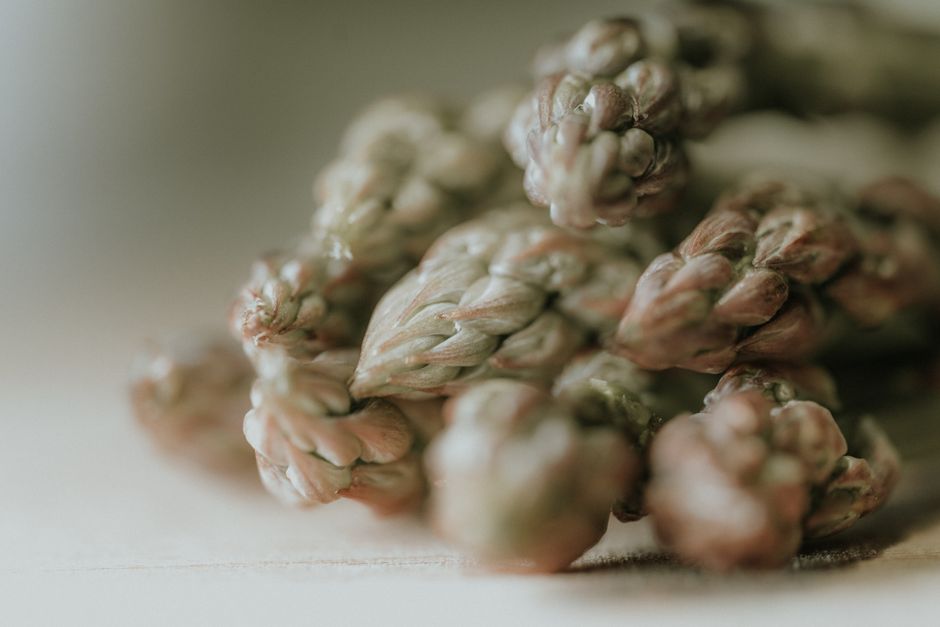
Yes, you can eat raw asparagus. It is safe to consume without cooking, and many people enjoy it thinly sliced in salads or shaved into ribbons. Raw asparagus has a crisp texture and a slightly grassy, nutty flavor that differs from its cooked form. While cooking softens the stalks and deepens the flavor, eating it raw preserves certain nutrients that heat can reduce.
Is Raw Asparagus Safe to Eat?
Raw asparagus is safe for most people to eat. It is a common vegetable sold fresh in grocery stores, and no part of the plant is toxic when consumed raw. The entire spear — from the tip to the woody end — is edible, though the bottom inch or two is often tough and fibrous.
Food safety practices still apply. Like any raw vegetable, asparagus should be washed thoroughly under running water before eating. This removes soil, bacteria, and any residue from farming or handling. If you are serving raw asparagus to someone with a weakened immune system, pregnant women, or older adults, the same food safety rules for raw produce apply.
One caveat: asparagus contains a compound called asparagusic acid. When your body digests it, it breaks down into sulfur-containing byproducts. This is why urine can develop a strong odor after eating asparagus, whether it is raw or cooked. This effect is harmless. Interestingly, some research suggests that only a portion of the population has the genes needed to detect this smell.
What Are the Nutritional Differences Between Raw and Cooked Asparagus?
Cooking changes the nutritional profile of asparagus, but not always for the worse. Raw asparagus is higher in certain water-soluble vitamins. Vitamin C, for example, degrades with heat. Folate, a B vitamin important for cell division, also decreases when asparagus is boiled or sautéed at high temperatures.
Eating asparagus raw gives you the maximum amount of these heat-sensitive nutrients. A half-cup serving of raw asparagus contains about 13 calories, making it a low-energy-density food. It provides dietary fiber, which supports digestion and helps maintain steady blood sugar levels.
However, cooking has its own benefits. Heat breaks down the tough cell walls of asparagus, making some nutrients easier for your body to absorb. Carotenoids, such as beta-carotene and lutein, are fat-soluble antioxidants that become more bioavailable when asparagus is cooked. One study found that cooking asparagus increased its total antioxidant activity compared to raw samples.
Neither raw nor cooked is categorically better. The choice depends on what you want from the vegetable. If you prioritize vitamin C and folate intake, raw is the stronger option. If you want higher antioxidant availability and easier digestion, lightly cooking it may serve you better.
Does Raw Asparagus Cause Digestive Issues?
Some people experience bloating or gas after eating raw asparagus. This is not a sign of danger. Asparagus contains fructans, a type of carbohydrate that ferments in the large intestine. For people with sensitive digestive systems, particularly those with irritable bowel syndrome (IBS), fructans can cause discomfort.
Raw asparagus is harder to digest than cooked asparagus. Cooking begins the breakdown of plant fibers, which eases the workload on your digestive tract. If you have a history of digestive sensitivity, you may tolerate cooked asparagus better than raw.
Rinsing raw asparagus does not remove fructans. Soaking it does not either. If you want to eat asparagus raw but find it causes gas, try eating smaller portions. You can also pair it with a meal rather than eating it alone on an empty stomach.
How Should You Prepare Raw Asparagus?
Preparation matters more for raw asparagus than for cooked. The woody ends are unpleasant to chew raw, so trimming them is essential. Hold a spear at both ends and bend it gently. It will snap naturally at the point where the tender part meets the fibrous base. Discard the bottom piece.
Thin spears work better raw than thick ones. Thicker stalks have tougher exteriors that are less pleasant to bite into. If you only have thick asparagus, use a vegetable peeler to shave it into long, thin ribbons. This makes the texture delicate and easier to eat.
Raw asparagus pairs well with acidic dressings. Lemon juice, vinaigrette, or a light yogurt-based dip complements its flavor. Marinating raw asparagus in citrus for 15 to 30 minutes lightly “cooks” it through acid, a process similar to ceviche. This softens the texture slightly while keeping it raw.
Here are a few simple ways to serve raw asparagus:
- Shave it into ribbons and toss with olive oil, lemon zest, and shaved parmesan.
- Slice it thinly on the bias and add to a green salad for crunch.
- Serve whole spears with hummus or a ranch-style dip.
- Chop it finely and mix into a grain bowl with quinoa or farro.
Can You Eat the Entire Asparagus Spear Raw?
The entire spear above the woody base is edible raw. The tip, which is actually a cluster of immature flower buds, is the most tender part. It requires no special preparation beyond washing.
White asparagus is a different variety that is grown underground to prevent chlorophyll development. It has a thicker skin and a more bitter flavor than green asparagus. While it is safe to eat raw, its texture is tougher. Peeling white asparagus before eating it raw improves the experience considerably.
Purple asparagus is another variety worth mentioning. It contains anthocyanins, the same pigments that give blueberries their color. Purple asparagus tends to be sweeter and more tender than green varieties, making it an excellent candidate for raw eating.
Are There Any Risks of Eating Raw Asparagus?
For the general population, raw asparagus poses minimal risk. The main concerns are digestive discomfort and the theoretical risk of foodborne illness from improperly washed produce. Neither is common enough to warrant avoiding raw asparagus entirely.
People taking blood-thinning medications should be aware of asparagus’s vitamin K content. Vitamin K plays a role in blood clotting, and sudden changes in intake can interfere with anticoagulant drugs like warfarin. This applies to both raw and cooked asparagus. If you take blood thinners, keep your asparagus consumption consistent from week to week and discuss dietary changes with your doctor.
Raw asparagus is not a common allergen. True asparagus allergies are rare, though they have been documented. If you experience itching, swelling, or difficulty breathing after eating asparagus, seek medical attention.
Does Freezing or Storing Raw Asparagus Affect Safety?
Raw asparagus should be stored in the refrigerator. It stays fresh for about three to five days when stored properly. Wrap the cut ends in a damp paper towel and place the spears in a plastic bag, or stand them upright in a glass of water covered with a plastic bag.
As asparagus ages, it loses moisture and becomes limp. The texture degrades, and the flavor becomes more bitter. Eating old raw asparagus is not dangerous, but it is not pleasant either. If the spears develop a slimy coating or a foul smell, discard them. These are signs of spoilage.
Freezing raw asparagus is not recommended for eating it raw afterward. Freezing damages the cell walls of vegetables, turning them mushy when thawed. If you want to freeze asparagus, blanch it first by boiling it for two to three minutes and then plunging it into ice water. This preserves quality for later cooking.
Frequently Asked Questions
Can you eat raw asparagus from the grocery store?
Yes, grocery store asparagus is safe to eat raw after washing it thoroughly under running water. Trim the woody ends before eating.
Does raw asparagus have more nutrients than cooked?
Raw asparagus retains more vitamin C and folate, which heat can destroy. Cooked asparagus offers better absorption of certain antioxidants like carotenoids.
Why does asparagus make my urine smell?
Asparagus contains asparagusic acid, which breaks down into sulfur compounds during digestion. This causes the distinctive urine odor, and it happens whether the asparagus is raw or cooked.
Can raw asparagus give you food poisoning?
The risk is low but not zero, as with any raw vegetable. Washing the spears thoroughly reduces the risk of consuming harmful bacteria from soil or handling.
