
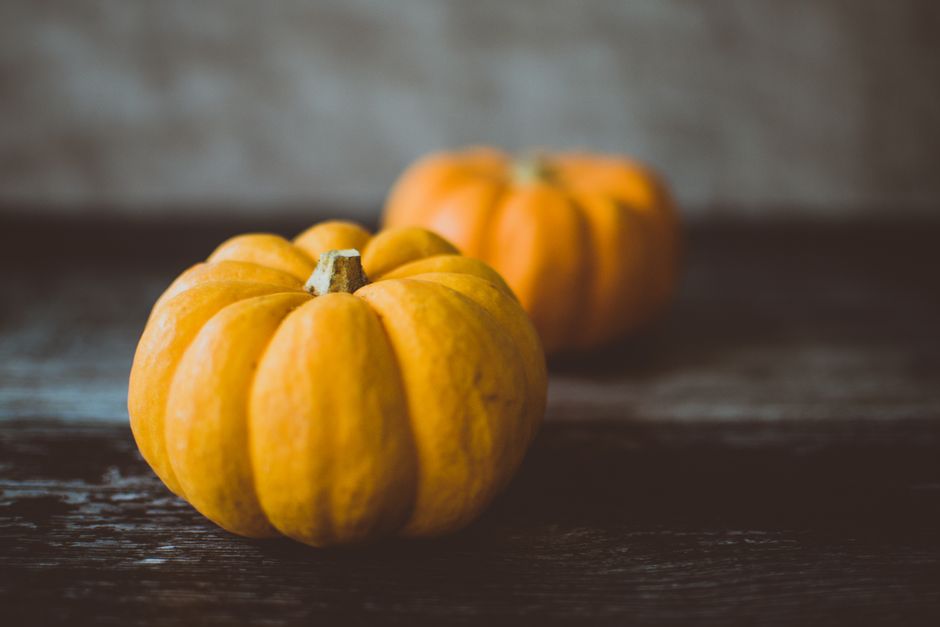
Yes, you can eat raw pumpkin. The flesh of common pumpkin varieties is safe to eat uncooked, and people do it in salads, smoothies, and slaws. The bigger questions are whether it tastes good raw and whether your body can actually absorb much of what makes pumpkin famous.
Raw pumpkin is firm, mild, and more like a raw winter squash than a sweet dessert. It is not dangerous for most healthy adults. The seeds and skin are a different story, and so is the amount of beta-carotene your body gets from eating it uncooked. Here is what the evidence actually supports.
Is Raw Pumpkin Safe to Eat?
Raw pumpkin flesh is safe for most healthy adults. It is a squash, and like other winter squash, it is grown to be eaten. There is nothing inherently toxic in the flesh of a standard pumpkin.
The one real safety concern is contamination. Any raw produce can carry bacteria such as Listeria or Salmonella from soil, water, or handling. That is true of lettuce and cucumber too, and it is why public health agencies recommend washing raw produce under running water before eating it. You do not need soap. Rubbing the surface with your hands while rinsing is enough.
Cut pumpkin is more perishable than a whole one. Once you slice into it, the moist interior becomes a surface for spoilage organisms. Refrigerate cut raw pumpkin and use it within a few days. If it smells sour, feels slimy, or has visible mold, throw it out.
People with weakened immune systems, pregnant women, and young children face higher risk from foodborne illness in general. That is a statement about raw produce broadly, not about pumpkin specifically. Cooking removes that risk.
Can U Eat Pumpkin Raw — What About the Skin and Seeds?
The skin and seeds are edible raw, with caveats. Pumpkin skin is tough. It is not toxic, but it is fibrous and hard to chew, and many people find it unpleasant rather than unsafe. Very thin-skinned varieties are more manageable raw than the thick, ribbed jack-o’-lantern types.
Raw pumpkin seeds are safe to eat and are widely sold as a snack. The white hull is very hard. Chewing it thoroughly matters, because swallowing whole hard seeds is a choking risk, particularly for children. Hulled raw seeds, sometimes sold as pepitas, are easier to eat.
There is a persistent claim that raw pumpkin seeds contain a compound that paralyzes intestinal worms. This has some historical basis in traditional use, but it is not a modern treatment. Do not use pumpkin seeds to treat a parasitic infection. That requires diagnosis and, when needed, prescription medication from a clinician.
Does Cooking Change Pumpkin’s Nutrition?
Cooking changes how much beta-carotene your body can absorb. This is the most useful thing to understand about raw versus cooked pumpkin.
Pumpkin flesh is rich in beta-carotene, a carotenoid the body converts to vitamin A. Beta-carotene is fat-soluble and sits inside plant cells behind tough cell walls. Cooking softens those walls, which helps release the carotenoid. Eating pumpkin with a source of fat, such as olive oil or nuts, improves absorption further.
This does not make raw pumpkin worthless. It means you absorb less beta-carotene from raw pumpkin than from cooked. If vitamin A is your goal, cooked pumpkin has the edge. If you want the fiber and the water content and you like the crunch, raw works fine.
Vitamin C behaves in the opposite way. It is heat-sensitive, so raw pumpkin retains more of it than cooked. Pumpkin is not a major vitamin C source compared with citrus or peppers, but the point stands: some nutrients survive cooking better, others survive raw better.
| Nutrient | Raw pumpkin flesh | Cooked pumpkin flesh |
|---|---|---|
| Beta-carotene absorption | Lower | Higher |
| Vitamin C retention | Higher | Lower |
| Fiber | Largely intact | Largely intact |
| Water content | High | High |
One clarification worth making: the bright orange canned pumpkin sold in US grocery stores is usually not pumpkin at all in the strict botanical sense. It is often a different squash variety that meets the same labeling rules. Nutritionally it behaves like pumpkin, so this matters less than it sounds.


What Does Raw Pumpkin Taste Like?
Raw pumpkin tastes mild, slightly sweet, and a little like a raw carrot crossed with cucumber. It is not the sweet, spiced flavor people associate with pumpkin pie. That flavor comes from cooking plus sugar and warm spices.
The texture is the real issue for most people. Raw pumpkin is dense and crunchy, and thick slices are hard to chew. Thin shavings or matchsticks work far better than chunks. Smaller, younger pumpkins tend to be more tender than large mature ones.
If you tried raw pumpkin once and disliked it, the variety and the cut likely had more to do with that than the vegetable itself.
How Do You Prepare Raw Pumpkin?
Start with a clean, firm pumpkin. Wash the outside, cut it open, and scoop out the seeds and stringy pulp. Peel the skin unless you are using a thin-skinned variety and do not mind the chew.
Then cut the flesh as thin as you can manage. A mandoline or a sharp vegetable peeler gets you shavings that are actually pleasant to eat. Thick cubes are not.
A few ways people use it:
- Thin shavings tossed with lemon, olive oil, and salt as a raw salad
- Matchsticks added to a slaw with cabbage and apple
- Grated into a smoothie or blended soup base
- Diced small and added to a grain bowl for crunch
Pair it with a fat source if you care about carotenoid absorption. A dressing with olive oil does that job. Store anything you do not eat right away in the refrigerator.
Who Should Avoid Raw Pumpkin?
Most people have no reason to avoid it. There are a few situations where cooked is the safer choice.
Anyone at higher risk from foodborne illness should lean toward cooked pumpkin. That includes pregnant women, young children, older adults, and people with weakened immune systems. This is standard guidance for raw produce, not a pumpkin-specific warning.
People with irritable bowel syndrome or other conditions sensitive to fermentable carbohydrates may find raw squash harder to tolerate than cooked. Cooking breaks down some of these compounds. If raw pumpkin gives you gas or bloating, that is a reason to cook it, not a sign of danger.
Anyone with a known squash or gourd allergy should avoid it. That allergy is uncommon but real, and it can appear with other melon or ragweed-related sensitivities.
Frequently Asked Questions
Can you eat raw pumpkin safely?
Yes, raw pumpkin flesh is safe for most healthy adults. Wash it first and refrigerate any cut pieces, since raw produce can carry bacteria.
Is raw pumpkin healthier than cooked pumpkin?
Neither is clearly healthier overall. Raw pumpkin keeps more vitamin C, while cooking helps your body absorb more beta-carotene.
Can you eat pumpkin skin and seeds raw?
Yes, both are edible raw, though the skin is tough and the seed hulls are very hard. Chew seeds thoroughly, especially for children.
Does raw pumpkin need to be peeled?
Not strictly, but most people peel it because the skin is fibrous and hard to chew. Thin-skinned varieties are easier to eat unpeeled.
