
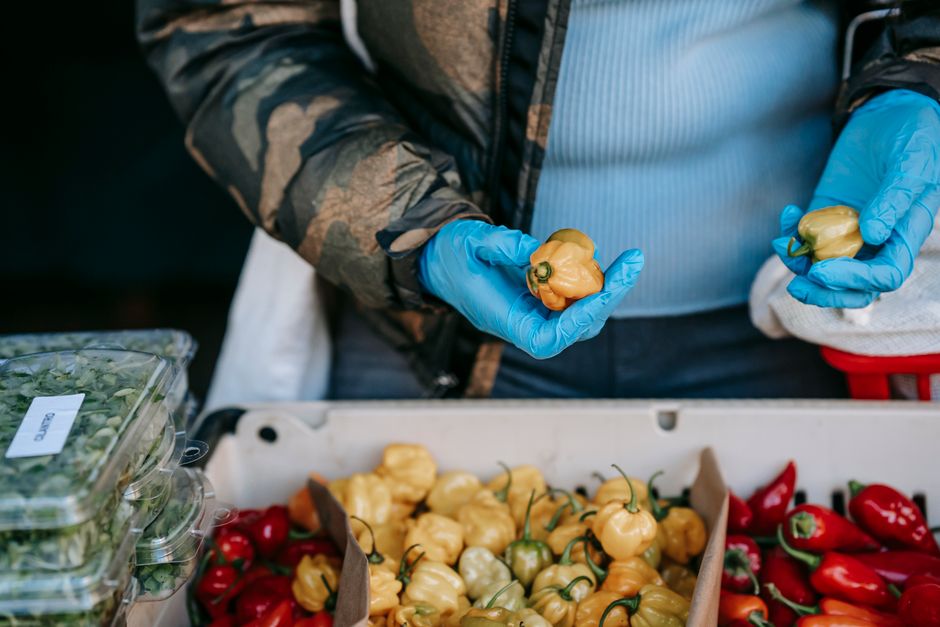
Yes, you can eat pepper stems. They are not toxic, and people in many parts of the world cook with them regularly. The stems are tough and slightly bitter, so most cooks treat them as a flavoring or a textural ingredient rather than something to snack on raw.
The confusion around pepper stems usually comes from two places. One is the little green cap on a bell pepper, which most recipes tell you to cut away. The other is the stem on a chili pepper, which is clearly woody and unpleasant to chew. Neither is dangerous. Both are simply a question of whether the stem is worth eating, not whether it is safe.
Are Pepper Stems Actually Safe to Eat?
Pepper stems are safe to eat. They come from the same plant as the fruit, and they do not contain any compound known to be toxic to humans at normal food amounts.
The stem is the part of the plant that carries water and nutrients to the pepper. That means its structure is mostly cellulose and lignin, the same tough fibers found in celery strings and broccoli stalks. Your body handles these fibers the same way it handles any other plant fiber. It does not break them down much, but it moves them through the digestive tract without harm.
One point worth clearing up: the green cap on a bell pepper is not technically the stem. The stem is the short stalk that attaches the pepper to the plant. The cap is the calyx, the part that held the flower. Both are edible. People often use the word “stem” for the whole green top, and that is fine for cooking purposes.
There is no established safety concern for healthy adults eating pepper stems. The main issue is palatability, not safety.
Why Do People Think Pepper Stems Are Dangerous?
No credible source identifies pepper stems as poisonous. The idea that they are unsafe appears to be a mix of kitchen habit and confusion with other plants.
Most recipes instruct you to remove the stem because it is tough and adds nothing to a dish where you want the pepper’s sweetness. Over time, “remove before cooking” gets misread as “do not eat.” Those are different instructions.
Some of the worry may come from the fact that pepper plants belong to the nightshade family, which also includes tomatoes, potatoes, and eggplant. Some nightshade plants are genuinely toxic, and the leaves and stems of the potato plant, for example, contain solanine and should not be eaten. People sometimes apply that caution to every nightshade. Pepper stems do not carry the same concern. The toxicity in nightshades is specific to certain plants and certain compounds, not a family-wide rule.
Another source of confusion is the capsaicin in hot peppers. Capsaicin is concentrated in the internal white pith and seeds, not the stem. A chili stem is not where the heat lives.
What Do Pepper Stems Taste Like?
Pepper stems taste green, slightly bitter, and faintly of the pepper itself. The flavor is mild in bell peppers and more pronounced in hot varieties.
The texture is the bigger issue. Raw stems are fibrous and stringy. They resist chewing in a way that most people find unpleasant. Cooked stems soften somewhat but stay firm. They do not become tender the way a pepper’s flesh does.
This is why cooks who use stems treat them differently from the fruit. They slice them thin, chop them fine, or cook them for a long time in a sauce or stock. A whole stem dropped into a stir-fry will still be tough on the plate.
How Do You Cook With Pepper Stems?
Pepper stems work best when their toughness is managed. Thin slicing and long cooking are the two reliable approaches.
- Stocks and broths: Drop stems in while simmering and strain them out before serving. They add a mild vegetal note.
- Pickling: Stems absorb brine and soften over time. They are sometimes pickled alongside the peppers themselves.
- Fine chopping: Minced very small, stems disappear into salsas, relishes, and sauces.
- Stir-frying thin: Sliced paper-thin and cooked hot and fast, they can work in a dish where crunch is welcome.
Some traditional cuisines use pepper stems more deliberately. In parts of Asia and Latin America, cooks incorporate stems into braises and condiments rather than discarding them. This is a practical use of the whole vegetable, not a health practice.
If you want to reduce food waste, stems are a reasonable addition to a stock pot. That is the most forgiving use, because you remove them before eating and only keep the flavor they gave the liquid.
Are Pepper Stems Nutritious?
Pepper stems provide fiber but little else of nutritional note. They are not a meaningful source of vitamins or minerals compared with the pepper itself.
The pepper fruit is where the nutrition is. Bell peppers are a strong source of vitamin C. According to USDA data, a medium raw red bell pepper provides well over the daily vitamin C needs of most adults. The stem does not carry a comparable nutrient load.
This is not a reason to avoid stems. It is a reason not to eat them for health benefits. Treat them as a way to use more of the vegetable and add mild flavor, not as a supplement.
Who Should Be Careful With Pepper Stems?
Most people can eat pepper stems without issue. A few groups should think twice, and the reasons are practical rather than about toxicity.
People with sensitive digestion may find the fibrous texture hard on the gut. Tough plant fibers can cause bloating or discomfort in some people, especially in large amounts. This is the same reason some people limit celery or raw cabbage.
Young children can choke on tough, stringy pieces. The fiber does not break down easily with chewing, and a stem can be a choking hazard for a small child. Cut stems very small or leave them out for young kids.
People with swallowing difficulties should avoid tough, fibrous foods generally, including stems. This is standard guidance for anyone on a texture-modified diet.
There is no clinical guideline that singles out pepper stems as a food to avoid. The cautions above come from general principles about tough fiber and choking risk, not from pepper-specific research.
Are Hot Pepper Stems Different From Bell Pepper Stems?
Hot pepper stems are safe in the same way bell pepper stems are. They are just tougher and can carry a faint trace of heat if the pepper was very hot.
The heat in a chili comes from capsaicin, which is concentrated in the white pith and the seeds. The stem itself contains very little. If you handle a hot pepper’s stem and then touch your eyes, though, you can still transfer capsaicin from your fingers if you handled the cut pepper first. Wash your hands after working with hot peppers.
One practical difference: hot pepper stems are usually drier and woodier than bell pepper stems. They are harder to chew and less useful in cooking. Most people discard them, and that is a reasonable choice.
Should You Eat Pepper Stems or Not?
Eat them if you want to. Skip them if you do not. The decision is about taste, texture, and food waste, not safety.
The stems are edible, low in nutrition, and tough. They are not toxic, and no evidence suggests they cause harm in normal food amounts. If you are looking for a way to use more of the pepper, a stock pot is the easiest place to start. If you are looking for a snack, the pepper itself is the better choice.
Frequently Asked Questions
Can you eat pepper stems raw?
Yes, raw pepper stems are safe to eat. They are tough and fibrous, so most people find them unpleasant to chew rather than harmful.
Are green pepper stems poisonous?
No, pepper stems are not poisonous. They contain no known toxin at normal food amounts, unlike the leaves and stems of some other nightshade plants such as potatoes.
Can you eat the stem of a bell pepper?
Yes, the stem and the green cap of a bell pepper are both edible. Most recipes remove them for texture and taste, not because they are unsafe.
Are pepper stems good for you?
They provide fiber but very little else in the way of vitamins or minerals. The pepper fruit itself is far more nutritious, especially for vitamin C.
