
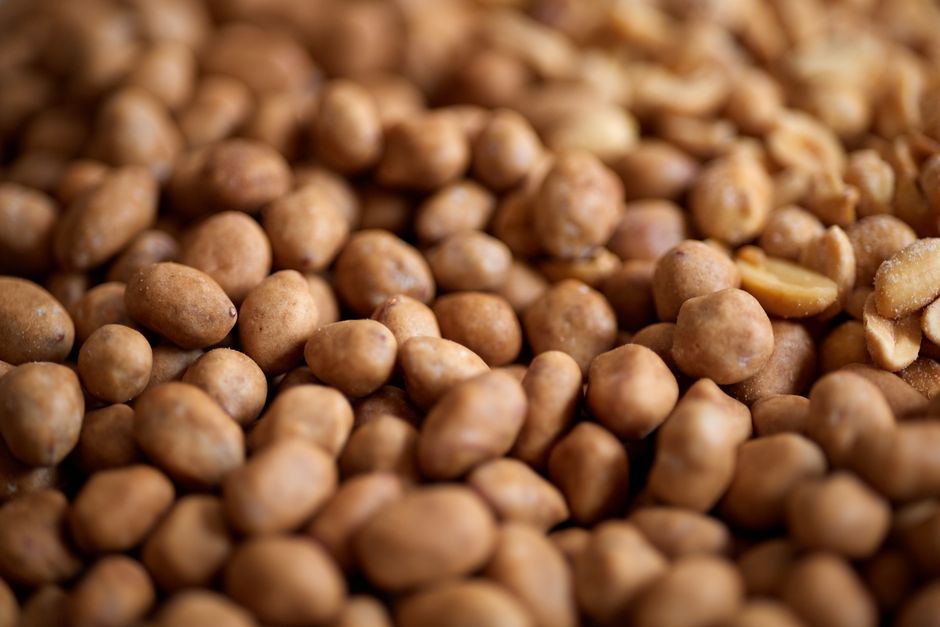
Yes, you can eat peanuts if you have gout. For most people with gout, peanuts are safe and may even be helpful. They are low in purines, which are the compounds that break down into uric acid. High uric acid levels cause gout attacks. So peanuts do not trigger gout the way red meat or shellfish can. But there are some important details to understand about portions, preparation, and your individual health situation.
What Exactly Causes Gout Attacks?
Gout happens when uric acid builds up in your blood. This uric acid can form sharp crystals in your joints. Your body makes uric acid when it breaks down purines. Purines are natural substances found in many foods and also in your body’s own cells.
When uric acid levels get too high, the crystals can cause sudden and severe pain, swelling, and redness. This usually happens in the big toe but can affect other joints too. The key to managing gout is keeping your uric acid levels below a certain target. The American College of Rheumatology recommends a target of under 6.0 mg/dL for most people with gout.
Some foods are high in purines and clearly raise uric acid. These include organ meats like liver, red meat, and certain seafood like sardines and mussels. Beer and sugary drinks are also major triggers. Peanuts are not on this list.
Are Peanuts High or Low in Purines?
Peanuts are considered a low-purine food. Research published in the journal Arthritis & Rheumatology has classified peanuts as having very low purine content. Most nuts and seeds fall into this same category.
To give you a clearer picture, here is how peanuts compare to other common foods:
| Food Type | Purine Level | Gout Risk |
|---|---|---|
| Peanuts | Low | Low |
| Almonds | Low | Low |
| Chicken breast | Moderate | Moderate |
| Beef | Moderate-High | High |
| Beer | Very High (from yeast) | Very High |
| Organ meats (liver) | Very High | Very High |
| Sardines | Very High | Very High |
This table shows that peanuts are on the safe end of the spectrum. A 2018 study in Arthritis Care & Research followed thousands of people and found no link between nut consumption and higher gout risk. In fact, plant-based diets generally lower uric acid levels.
Can Peanuts Actually Help With Gout?
Some evidence suggests peanuts may do more than just avoid triggering gout. They might actually help reduce inflammation. Gout is an inflammatory condition, and peanuts contain compounds that fight inflammation.
Peanuts are rich in magnesium, vitamin E, and healthy monounsaturated fats. These nutrients are linked to lower levels of inflammation markers in the blood. A study in the American Journal of Clinical Nutrition found that people who ate nuts regularly had lower C-reactive protein levels, which is a measure of inflammation.
Peanuts also contain fiber. Fiber helps your body excrete uric acid through your kidneys. The more fiber you eat, the more efficiently your body can remove waste products, including uric acid. This is not a cure, but it is a genuine benefit.
There is also some early research on plant compounds called flavonoids found in peanuts. These may inhibit an enzyme called xanthine oxidase. This is the same enzyme that the drug allopurinol blocks to lower uric acid. The effect from peanuts is much weaker than medication, but it is a real biological mechanism.
What About Salted, Roasted, or Flavored Peanuts?
The way peanuts are prepared matters a lot. Plain peanuts are fine. But many commercial peanut products come with added ingredients that can be problematic for gout.
Salted peanuts are the biggest concern. High sodium intake can raise blood pressure, and many people with gout also have high blood pressure. More importantly, high salt intake can reduce how well your kidneys remove uric acid. A 2020 study in Nutrition, Metabolism & Cardiovascular Diseases found that people who ate more sodium had higher uric acid levels, regardless of their purine intake.
Honey-roasted or sugar-coated peanuts are another issue. Fructose, a type of sugar, directly increases uric acid production. The liver breaks down fructose and produces uric acid as a byproduct. This is well established in research. Sugary peanut snacks can spike uric acid even though the peanuts themselves are safe.
Spicy or flavored peanuts often contain monosodium glutamate (MSG). Some people report that MSG triggers gout flares, though the scientific evidence on this is mixed. If you notice a pattern, it is reasonable to avoid them.
How Many Peanuts Can You Eat Safely?
There is no official limit for peanuts with gout. But common sense applies. A standard serving is about one ounce, which is roughly a small handful or 28 peanuts. This amount provides about 160 calories and 7 grams of protein.
Eating one or two servings per day is reasonable for most people. The bigger concern is not the peanuts themselves but what you eat them with. If you eat peanuts as part of a meal that also includes red meat, beer, or sugary drinks, the overall effect on uric acid will be driven by those other foods.
Here are practical guidelines for eating peanuts with gout:
- Stick to unsalted, dry-roasted, or raw peanuts
- Keep portions to one small handful per serving
- Avoid honey-roasted, sugar-coated, or heavily salted varieties
- Do not rely on peanuts as your main protein source if you also eat high-purine foods
- Drink plenty of water when eating nuts to help kidney function
Peanut butter is also fine in moderation. Choose natural peanut butter with no added sugar or hydrogenated oils. Two tablespoons per day is a reasonable amount. Check the label for added sugars, which can counteract the benefits.
Common Misconceptions About Peanuts and Gout
One widespread myth is that all protein sources raise uric acid. This is not true. Plant proteins like peanuts, beans, and lentils have a different effect on the body than animal proteins. Plant proteins are associated with lower uric acid levels in large population studies.
Another misconception is that gout is purely about diet. Diet only accounts for about 10-15% of uric acid levels in the blood. The rest comes from your body’s own production and how efficiently your kidneys excrete it. This is why some people with perfect diets still get gout, and some people who eat moderate amounts of purines never do.
Some people also believe that all nuts are the same for gout. They are not. Peanuts and almonds are low in purines. But cashews and pine nuts have slightly higher purine content. Still, none of these are high-risk foods. The difference is small and unlikely to matter unless you eat very large amounts.
Finally, there is a belief that avoiding all purines is the best strategy. This is outdated advice. The current approach from rheumatologists is to focus on the biggest triggers: alcohol, sugary drinks, and animal-based purines from organ meats and certain seafood. Low-purine plant foods like peanuts are not a concern.
What to Watch Out For
Peanuts are safe for gout, but they are not safe for everyone. Some people have peanut allergies, which can be serious. If you have a known allergy, do not eat them regardless of gout.
Peanuts are also high in calories. Eating large amounts can lead to weight gain. Excess weight is a major risk factor for gout. The CDC reports that obesity increases the risk of developing gout by about 50%. If you are managing your weight, be mindful of portion sizes.
Aflatoxins are another consideration. Peanuts can sometimes contain aflatoxins, which are mold-produced compounds that are harmful in large amounts. Commercial peanuts in the US are tested and generally safe. But if you buy raw peanuts in bulk from uncertain sources, there is a small risk. Stick to reputable brands.
For people with kidney disease, the potassium in peanuts may be a concern. Gout and kidney disease often occur together. If you have reduced kidney function, talk to your doctor about whether peanuts fit your diet. Your kidneys handle both uric acid and potassium, so both levels matter.
Frequently Asked Questions
Can peanut butter cause gout flares?
Natural peanut butter without added sugar is low in purines and unlikely to cause gout flares. Check labels for added sugars or high fructose corn syrup, which can raise uric acid.
Are roasted peanuts better than raw peanuts for gout?
Dry-roasted and raw peanuts are equally safe for gout. The key is to avoid added salt, sugar, or oil regardless of the roasting method.
How many peanuts can I eat in one day with gout?
One to two servings per day, about one ounce or a small handful each, is a reasonable amount. Stick to unsalted varieties for the best results.
Do peanuts increase uric acid levels?
No, research shows peanuts are low in purines and do not significantly raise uric acid levels. They may actually help reduce inflammation due to their nutrient content.
