
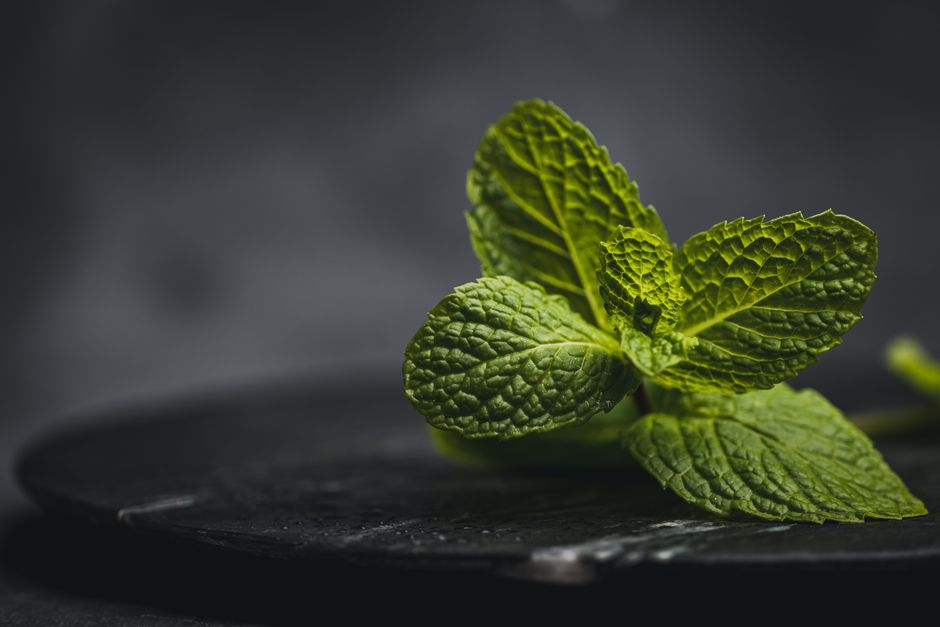
Yes, you can eat mint leaves. They are edible, widely used as a culinary herb, and generally recognized as safe when eaten in the amounts found in food. The leaves of the mint plant — most commonly spearmint and peppermint — have been used in cooking and traditional medicine for centuries, and they remain one of the most accessible edible herbs you can grow at home or buy at any grocery store.
That said, “edible” and “good for everyone in every amount” are two different things. Mint is safe for most people, but it is not risk-free for everyone. Certain medical conditions, medications, and age groups need more caution than the average healthy adult. Here is what the evidence actually supports.
What Is the Difference Between Spearmint and Peppermint?
Spearmint and peppermint are different plants with different chemical profiles, and the distinction matters if you are eating the leaves rather than using an extract or oil.
Spearmint (Mentha spicata) gets most of its flavor from a compound called carvone. It is milder and sweeter, which is why it shows up in teas, salads, and Middle Eastern and Indian cooking. Peppermint (Mentha × piperita) is a hybrid of spearmint and watermint, and its dominant compound is menthol. Menthol is what produces the strong cooling sensation and the sharper flavor most people associate with mint candy or gum.
The practical difference: peppermint is more potent. A handful of peppermint leaves delivers a much stronger dose of menthol than the same amount of spearmint. For eating raw, spearmint is generally the gentler choice. Peppermint leaves are still edible, but the flavor can overwhelm a dish, and the menthol load is higher.
There is a third consideration people rarely think about. Mint plants cross-pollinate easily, and many garden varieties are hybrids. If you grow mint at home, you may not know exactly which species you have. That is not a safety problem — all common culinary mints are edible — but it does mean the flavor and menthol content can vary from plant to plant.
Can You Eat Mint Leaves Raw?
Raw mint leaves are edible and are eaten fresh in many food cultures. You can add them to salads, grain bowls, wraps, fruit dishes, and drinks. Tearing or chopping the leaves releases more of the aromatic oils than leaving them whole.
The main issue with raw leaves is not safety for most people — it is quantity. A few leaves as a garnish or mixed into a salad is a normal culinary amount. Eating a large bowl of mint leaves by itself is not something most people would enjoy, and it can cause digestive discomfort.
Raw mint leaves are also a source of fiber and small amounts of vitamins and minerals. The amounts are modest. Mint is not a significant nutritional contributor the way leafy greens like spinach or kale are. It is used in small quantities for flavor, not as a primary vegetable.
One practical note: wash fresh mint leaves before eating them, especially if they came from a garden or farmers market. Leafy herbs can carry soil, grit, and — rarely — harmful bacteria from contaminated water or handling. This is the same food safety guidance that applies to any fresh produce eaten raw.
Is Mint Safe for Everyone?
Mint is safe for most healthy adults in normal food amounts. The cautions that exist are specific and worth knowing.
Acid reflux and GERD. Peppermint can relax the lower esophageal sphincter, the muscle that keeps stomach contents from moving back up into the esophagus. For some people with reflux, this makes symptoms worse. Spearmint appears less likely to cause this effect, though the evidence is not extensive. If you have frequent heartburn, peppermint may not be your friend.
Gallstones and bile duct problems. Peppermint can stimulate bile flow. People with gallstones or bile duct obstruction are sometimes advised to avoid concentrated peppermint products. Whether normal food amounts of leaves matter is not well studied.
Infants and young children. This is where caution is most important. Menthol-containing products — including teas, oils, and balms — should not be given to infants and very young children. Applying menthol products near an infant’s face has been associated with breathing problems. No clinical guidelines support giving mint tea or mint preparations to infants. For young children, plain mint leaves as a food flavoring in small amounts are generally considered low risk, but concentrated mint products are a different matter entirely.
Pregnancy and breastfeeding. Small amounts of mint leaves used as a food flavoring are generally considered acceptable. Concentrated mint oils and supplements are not recommended during pregnancy or breastfeeding because there is not enough reliable safety data. No clinical guidelines establish a safe dose of concentrated mint oil for pregnant or breastfeeding women.
Medication interactions. Peppermint can affect how the body processes certain drugs. It has been shown to interact with some medications by altering liver enzyme activity and stomach acid levels. If you take prescription medication — particularly drugs with a narrow safety margin — talk to your pharmacist before using large amounts of mint or mint supplements. Food amounts of leaves are unlikely to be a problem.
Can You Eat Mint Leaves If You Have a Mint Allergy?
Mint allergy is uncommon but real. It belongs to the Lamiaceae family, which also includes basil, oregano, rosemary, sage, and lavender. People with allergies to one plant in this family sometimes react to others.
Symptoms of a mint allergy can include itching or tingling in the mouth, hives, skin rash, and in rare cases more serious reactions. If you have experienced any of these after eating mint or using mint products, avoid mint and speak with a doctor. Cross-reactivity with other Lamiaceae herbs is possible, so mention the reaction if you are being evaluated for food allergies.
There is a separate issue that people sometimes confuse with allergy: sensitivity to menthol. Some people find the cooling sensation of menthol unpleasant or irritating rather than allergenic. That is a sensory response, not an immune reaction, and it does not carry the same risks.
How Much Mint Is Too Much?
There is no established upper limit for mint leaves eaten as food. The amount used in cooking — a few leaves to a small handful — is not a concern for healthy adults.
Problems tend to come from concentrated forms, not leaves. Peppermint oil, mint extracts, and mint supplements deliver menthol and other compounds at doses far higher than you would get from eating leaves. Peppermint oil capsules are used clinically for some digestive conditions, but they are a concentrated product with their own cautions, including reflux and interactions.
A large amount of mint tea — several strong cups a day — is also more concentrated than eating a few leaves. Some people drink this much without issue. Others notice heartburn or stomach discomfort. If you are drinking large volumes of strong mint tea and have symptoms, the tea is a reasonable thing to reduce or stop and see what changes.
For most people eating mint as a food, quantity is self-limiting. The flavor is strong enough that you are unlikely to eat enough leaves to cause a problem.
Does Eating Mint Have Health Benefits?
Mint has been studied for several conditions, and the evidence varies by what form is used and what condition is being treated.
Peppermint oil — not the leaves — has the strongest evidence base. It has been studied for irritable bowel syndrome and some other digestive complaints, and the results have been positive enough that it is used clinically. That does not mean eating mint leaves will treat IBS. The doses and delivery matter.
Mint tea is often used for digestive comfort and mild nausea. Some studies suggest it may help, though the evidence is not as strong as for peppermint oil. The effect, if any, is modest.
Mint contains antioxidants, including rosmarinic acid and various flavonoids. Antioxidants are real and measurable in the plant. Whether eating mint in food amounts produces meaningful health effects in the body is a different question, and it has not been established. The amount of mint most people eat is small.
This is where marketing often outruns evidence. You will see claims that mint “supports digestion,” “detoxifies,” or “boosts immunity.” No study has confirmed that eating mint leaves does any of these things in a way that matters for health. Mint is a flavorful, low-calorie herb. That is a real benefit for cooking. It is not a treatment.
How Do You Use Mint Leaves in Cooking?
Mint works in both sweet and savory dishes. A few common uses:
- Fresh in salads, especially with cucumber, tomato, or fruit
- Torn into grain dishes like tabbouleh, rice, or couscous
- In drinks — water, iced tea, lemonade, or cocktails
- In chutneys and sauces, such as mint chutney or yogurt sauce
- As a garnish for soups, curries, and grilled meats
- In desserts, including fruit salads and chocolate dishes
Dried mint is also used, but the flavor is different — more subdued and less fresh. For most dishes, fresh leaves give better results. If you substitute dried for fresh, use less, since dried herbs are more concentrated by weight.
Mint grows aggressively and can take over a garden bed. Many people grow it in containers for this reason. If you are growing your own, harvest leaves regularly — the plant responds well to cutting, and the leaves are most flavorful before the plant flowers.
Frequently Asked Questions
Can you eat mint leaves straight from the plant?
Yes, mint leaves can be eaten raw straight from the plant after washing them. Rinse them under running water to remove soil and any surface bacteria before eating.
Are mint leaves safe for children?
Small amounts of mint leaves used as a food flavoring are generally considered low risk for children. Concentrated mint products, including mint oil and strong mint tea, should not be given to infants or very young children.
Can eating too many mint leaves make you sick?
Eating a very large amount of mint leaves can cause stomach upset, heartburn, or nausea in some people. For most healthy adults, the flavor is strong enough that eating a problematic quantity is unlikely.
Does peppermint interact with medications?
Peppermint can interact with some medications by affecting liver enzymes and stomach acid. If you take prescription drugs, ask your pharmacist before using large amounts of mint or mint supplements.
