
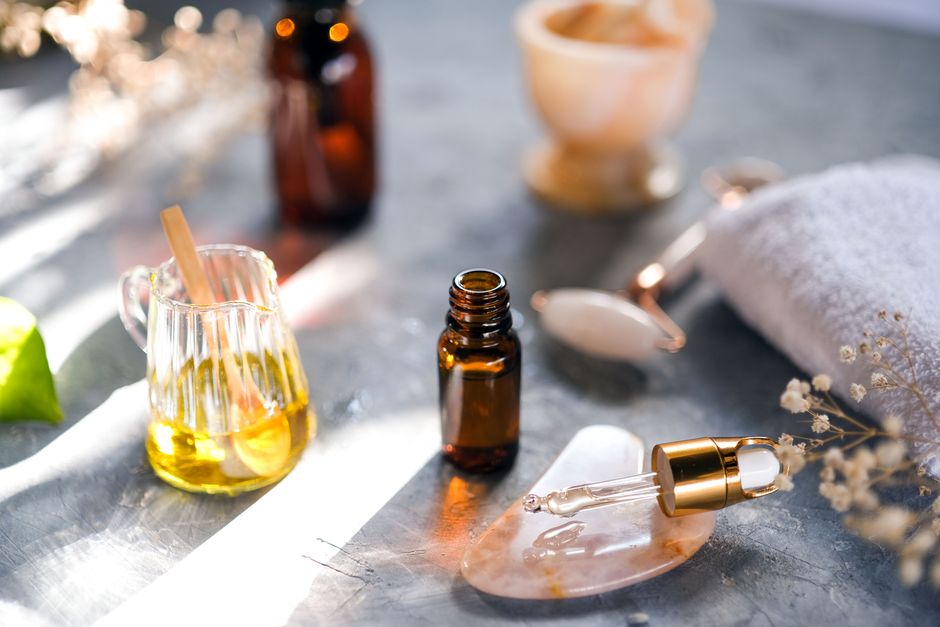
No, you should not eat essential oils. Essential oils are highly concentrated plant extracts made for external use, and swallowing them can cause serious harm. Some are toxic in small amounts, and many can burn your mouth, throat, and stomach lining.
This is not the same as eating the herb or spice the oil came from. A single drop of peppermint oil contains the concentrated compounds from many leaves. That concentration is exactly what makes essential oils risky to swallow.
Can You Eat Essential Oils Safely?
For most people, no. Essential oils are not food. They are not regulated as food ingredients, and no health agency recommends swallowing them for general wellness.
The confusion comes from a few places. Some essential oils appear as flavorings in tiny amounts in processed foods and candies. But those are food-grade flavorings used in carefully controlled quantities, not the bottles sold for aromatherapy. The two are not interchangeable.
Some people also point to traditional practices or to claims from sellers. Neither changes the basic safety picture. The oils sold in stores are made for diffusers and skin use, and their labels typically say so.
There is one narrow exception worth naming. A few essential oils have specific approved medical uses when prescribed and supervised by a doctor. That is a clinical decision, not something to attempt at home with a store-bought bottle.
What Happens If You Swallow Essential Oils?
The effects depend on the oil and the amount, but some reactions are well documented. Many essential oils irritate tissue on contact. Swallowing them can cause burning in the mouth and throat, nausea, vomiting, and stomach pain.
Some oils are more dangerous than others. A few are known to cause serious poisoning even in small amounts, especially in children. Certain oils can affect the nervous system, cause seizures, or harm the liver. Wintergreen oil is a well-known example of a high-risk oil because of its concentrated salicylate content, which is related to aspirin.
Children are at much higher risk. Their bodies are smaller, and a dose that might cause mild upset in an adult can be serious or life-threatening in a young child. The same is true for pets, which process many plant compounds differently than humans do.
If someone has swallowed essential oil, treat it as a potential poisoning. Do not wait for symptoms to appear. Contact poison control right away or seek emergency care. Do not try to make the person vomit unless a medical professional tells you to.
Why Are Essential Oils So Concentrated?
Making an essential oil takes a lot of plant material. Large amounts of leaves, flowers, bark, or peel are processed to produce a small bottle of oil. That is why the scent is so strong and why a few drops go a long way.
This concentration is the core issue. The plant compounds that give an oil its smell are the same compounds that can irritate or poison when the dose is high. In the whole plant or a spice, those compounds come packaged with fiber, water, and other components that dilute them. In an essential oil, they are stripped down and packed together.
Concentration also means small measurement mistakes matter more. A drop is not a trivial amount when the oil is this potent. This is part of why the oils are handled carefully even in professional settings.
Is There a Difference Between Food-Grade and Other Essential Oils?
There is a real difference, but it is often misunderstood. Food-grade labeling means an oil meets certain standards for use as a flavoring. It does not mean the bottle is safe to drink or to take by the spoonful.
Even food-grade oils are used in very small, controlled amounts by food manufacturers. That is not the same as swallowing drops from a bottle at home. A product labeled for food use can still be dangerous if taken in the wrong amount or by the wrong person.
Many oils sold for aromatherapy are not food-grade at all. They may contain additives or be produced without food-safety standards. Reading the label carefully matters, but a label alone does not make swallowing the oil a good idea.
What About Using Essential Oils Other Ways?
Inhaling and applying oils to the skin are the common uses, and even these need care. Aromatherapy through a diffuser is generally considered low risk for healthy adults, though strong scents can trigger headaches or breathing irritation in some people.
Skin use is different. Essential oils are strong enough to irritate skin and cause allergic reactions. Most guidance suggests diluting them in a carrier oil before applying to skin, and doing a small patch test first. Some oils, like citrus oils, can make skin more sensitive to sunlight.
None of this means these uses are proven to treat disease. The evidence for most aromatherapy health claims is limited. What is well established is that the oils are potent and deserve respect, whether inhaled, applied, or kept away from your mouth.
Who Should Be Extra Careful With Essential Oils?
Some groups face higher risk from essential oils in any form, and especially if swallowed. These include:
- Young children, who are at highest risk of serious poisoning
- Pregnant and breastfeeding women, where safety data is limited
- People with asthma or other breathing conditions
- People with liver or kidney problems
- Anyone taking medications that could interact with plant compounds
- Pets, since many oils are toxic to animals
For pregnant women, breastfeeding women, and infants, there are no established clinical guidelines for swallowing essential oils, because it should not be done. Even for external use, it is worth checking with a doctor first.
Older adults and people with multiple health conditions should also be cautious. The more medications someone takes, the more room there is for a plant compound to interfere.
What Should You Do If You Want the Benefits of a Plant?
If you are after the flavor or the compounds in a plant, eating the plant itself is the safer path. Fresh mint, citrus zest, ginger, and herbs give you the taste and aroma without the concentrated dose.
Cooking with herbs and spices is well established and gives you flavor with far less risk. A teaspoon of dried mint or a handful of fresh leaves is nothing like a drop of concentrated oil.
If you have a specific health concern, talk to a doctor or pharmacist rather than reaching for an oil bottle. Essential oils are not a substitute for medical care, and no study has shown that swallowing them treats any condition. The evidence simply is not there.
The bottom line is simple. Essential oils are potent plant extracts made for external use. Keep them out of your mouth, store them away from children and pets, and treat any accidental swallow as a reason to call for help.
Frequently Asked Questions
Can you eat essential oils in food?
No, you should not add essential oils to food at home. Tiny amounts of some oils are used as commercial flavorings under controlled standards, but that does not make a store-bought bottle safe to eat.
What happens if you swallow a drop of essential oil?
Even a small amount can cause burning in the mouth and throat, nausea, or stomach pain, and some oils are seriously toxic in small doses. Contact poison control right away rather than waiting for symptoms.
Are food-grade essential oils safe to swallow?
No. Food-grade labeling means the oil meets standards for use as a flavoring, not that it is safe to drink. The concentration is still far too high for swallowing at home.
Are essential oils safe for children?
Children are at much higher risk of serious poisoning from swallowed essential oils because of their smaller body size. Keep all oils out of reach and treat any swallow as an emergency.
